mirror of
https://github.com/simdjson/simdjson
synced 2026-06-08 17:27:07 +00:00
Compare commits
127 Commits
| Author | SHA1 | Date | |
|---|---|---|---|
 Daniel Lemire Daniel Lemire
|
3d87bd4abc | ||
|
hiteshmk05
|
a60c0d1e39 | ||
|
Francisco Geiman Thiesen
|
86bfbaada7 | ||
|
Daniel Lemire
|
ccac6403d9 | ||
|
Daniel Lemire
|
aade58c3dc | ||
|
Daniel Lemire
|
3319815e25 | ||
|
hiteshmk05
|
a24f845bd7 | ||
|
Daniel Lemire
|
212e2d5857 | ||
|
Daniel Lemire
|
547e156e33 | ||
|
Daniel Lemire
|
98a45f7229 | ||
|
Daniel Lemire
|
8589509d1e | ||
|
Daniel Lemire
|
2fce4a843d | ||
|
Daniel Lemire
|
62803512e4 | ||
|
Daniel Lemire
|
76d9dee854 | ||
|
Daniel Lemire
|
bf15f21b0b | ||
|
Daniel Lemire
|
32b301893c | ||
|
Daniel Lemire
|
7f1531a1f9 | ||
|
Daniel Lemire
|
0a3b555ff7 | ||
|
Daniel Lemire
|
114d45ad54 | ||
|
Daniel Lemire
|
0112be86b0 | ||
|
Daniel Lemire
|
bf52d8198b | ||
|
Francisco Geiman Thiesen
|
58c92d6d82 | ||
|
Daniel Lemire
|
781a7d6c89 | ||
|
Max Marrone
|
3d0de709a8 | ||
|
kevyang
|
49b86721b4 | ||
|
Daniel Lemire
|
def2b6efd2 | ||
|
Daniel Lemire
|
87a186fbf1 | ||
|
Daniel Lemire
|
81f10a01b7 | ||
|
Daniel Lemire
|
36ed7ab48a | ||
|
Daniel Lemire
|
c3d1d62dfe | ||
|
Daniel Lemire
|
67821cb6fd | ||
|
Daniel Lemire
|
3ac287ba3d | ||
|
Daniel Lemire
|
ec352430a0 | ||
|
Francisco Geiman Thiesen
|
d326f2ce9f | ||
|
Francisco Geiman Thiesen
|
ca42a49fba | ||
|
Daniel Lemire
|
8a9daeb0ad | ||
|
Daniel Lemire
|
9c5a88f1f3 | ||
|
0xflotus
|
a7f8fb71c5 | ||
|
Howard Guo
|
a553db4c67 | ||
|
Jaël Champagne Gareau
|
1fa1af8c15 | ||
|
Daniel Lemire
|
5ed1044056 | ||
|
Francisco Geiman Thiesen
|
62913867ff | ||
|
Francisco Geiman Thiesen
|
6700d48b57 | ||
|
Francisco Geiman Thiesen
|
b5577d5e85 | ||
|
wszqkzqk
|
b84a4ec2b9 | ||
|
Daniel Lemire
|
1638a185f7 | ||
|
Francisco Geiman Thiesen
|
6fe450f5ce | ||
|
Francisco Geiman Thiesen
|
c7b70de070 | ||
|
Francisco Geiman Thiesen
|
3279fbd55b | ||
|
Francisco Geiman Thiesen
|
66e64e0e5f | ||
|
Daniel Lemire
|
03f81e66af | ||
|
Daniel Lemire
|
e3b7eddb37 | ||
|
Daniel Lemire
|
99c4ba6e8f | ||
|
Francisco Geiman Thiesen
|
6aa7eea334 | ||
|
Daniel Lemire
|
6a47cda07f | ||
|
Daniel Lemire
|
617c69e104 | ||
|
Daniel Lemire
|
625adceb24 | ||
|
Daniel Lemire
|
bd0e9c1336 | ||
|
Daniel Lemire
|
7bf82b02d5 | ||
|
Francisco Geiman Thiesen
|
88a1b3e83b | ||
|
Francisco Geiman Thiesen
|
c72954eade | ||
|
Francisco Geiman Thiesen
|
4456a10469 | ||
|
Francisco Geiman Thiesen
|
d8ed2417ad | ||
|
Francisco Geiman Thiesen
|
5517df7aee | ||
|
evbse
|
6e618b0805 | ||
|
Pavel Novikov
|
bde288a623 | ||
|
Daniel Lemire
|
b2932d1b8f | ||
|
Daniel Lemire
|
a7811090ef | ||
|
Daniel Lemire
|
3320885fac | ||
|
Daniel Lemire
|
786c68b158 | ||
|
Daniel Lemire
|
703ef54bd9 | ||
|
Daniel Lemire
|
2526068e2f | ||
|
Daniel Lemire
|
ddc7b8c7dd | ||
|
Daniel Lemire
|
d8f90bdd14 | ||
|
Daniel Lemire
|
e38a4923e5 | ||
|
Dirk Stolle
|
e6dfa2e0ed | ||
|
Daniel Lemire
|
1f369ef210 | ||
|
Daniel Lemire
|
22dcdc9f1e | ||
|
Dirk Stolle
|
dda2dafa30 | ||
|
Daniel Lemire
|
72e9d44e10 | ||
|
Daniel Lemire
|
8aae14931d | ||
|
Daniel Lemire
|
ef3d1ac25f | ||
|
Daniel Lemire
|
9292480a9b | ||
|
Daniel Lemire
|
611ea97dbd | ||
|
Daniel Lemire
|
f249e7e128 | ||
|
Marian Klymov
|
44fddaa807 | ||
|
Daniel Lemire
|
be16e1ae04 | ||
|
Daniel Lemire
|
124a33c160 | ||
|
Daniel Lemire
|
a0b870e9c2 | ||
|
Daniel Lemire
|
68699eb73c | ||
|
Daniel Lemire
|
06453f1637 | ||
|
Daniel Lemire
|
eb828d97ba | ||
|
Daniel Lemire
|
00f84fb448 | ||
|
Daniel Lemire
|
5bf0954c6e | ||
|
Daniel Lemire
|
3056d54fa3 | ||
|
Daniel Lemire
|
241b9f6ea7 | ||
|
Daniel Lemire
|
015daad6a9 | ||
|
Daniel Lemire
|
fc3b7766c0 | ||
|
Daniel Lemire
|
b5c78288e5 | ||
|
Daniel Lemire
|
bd86bb0cfb | ||
|
Daniel Lemire
|
4840a0347c | ||
|
Daniel Lemire
|
7f68baec1e | ||
|
Daniel Lemire
|
e2ea5fb8de | ||
|
Daniel Lemire
|
7dfd165ecd | ||
|
Daniel Lemire
|
4dfa0a2407 | ||
|
Daniel Lemire
|
e252a21f65 | ||
|
Daniel Lemire
|
89f2b634df | ||
|
Daniel Lemire
|
addca203d5 | ||
|
Felipe Monteiro
|
1825d7e88c | ||
|
Daniel Lemire
|
f87d6af3e9 | ||
|
Daniel Lemire
|
8fff57578c | ||
|
Daniel Lemire
|
056d66926a | ||
|
Daniel Lemire
|
b434a50681 | ||
|
Daniel Lemire
|
e8ff2fa692 | ||
|
Daniel Lemire
|
1ebf115b2b | ||
|
Joshua Gawley
|
172fbe785d | ||
|
Daniel Lemire
|
a10f096af2 | ||
|
Daniel Lemire
|
a85e474360 | ||
|
Daniel Lemire
|
05752d6c6f | ||
|
Joseph Olabisi
|
fb9a689dff | ||
|
Daniel Lemire
|
472f818fe5 | ||
|
Daniel Lemire
|
5c9c133632 | ||
|
Daniel Lemire
|
faf921bc7e | ||
|
Daniel Lemire
|
626eedc3d8 | ||
|
Daniel Lemire
|
294aa64f94 | ||
|
Daniel Lemire
|
397b40e574 | ||
|
Daniel Lemire
|
fdc93528d1 |
@@ -1,316 +0,0 @@
|
||||
version: 2.1
|
||||
|
||||
|
||||
# We constantly run out of memory so please do not use parallelism (-j, -j4).
|
||||
|
||||
# Reusable image / compiler definitions
|
||||
executors:
|
||||
gcc8:
|
||||
docker:
|
||||
- image: conanio/gcc8
|
||||
environment:
|
||||
CXX: g++-8
|
||||
CC: gcc-8
|
||||
CMAKE_BUILD_FLAGS:
|
||||
CTEST_FLAGS: --output-on-failure
|
||||
|
||||
gcc9:
|
||||
docker:
|
||||
- image: conanio/gcc9
|
||||
environment:
|
||||
CXX: g++-9
|
||||
CC: gcc-9
|
||||
CMAKE_BUILD_FLAGS:
|
||||
CTEST_FLAGS: --output-on-failure
|
||||
|
||||
gcc10:
|
||||
docker:
|
||||
- image: conanio/gcc10
|
||||
environment:
|
||||
CXX: g++-10
|
||||
CC: gcc-10
|
||||
CMAKE_BUILD_FLAGS:
|
||||
CTEST_FLAGS: --output-on-failure
|
||||
|
||||
clang10:
|
||||
docker:
|
||||
- image: conanio/clang10
|
||||
environment:
|
||||
CXX: clang++-10
|
||||
CC: clang-10
|
||||
CMAKE_BUILD_FLAGS:
|
||||
CTEST_FLAGS: --output-on-failure
|
||||
|
||||
clang9:
|
||||
docker:
|
||||
- image: conanio/clang9
|
||||
environment:
|
||||
CXX: clang++-9
|
||||
CC: clang-9
|
||||
CMAKE_BUILD_FLAGS:
|
||||
CTEST_FLAGS: --output-on-failure
|
||||
|
||||
clang6:
|
||||
docker:
|
||||
- image: conanio/clang60
|
||||
environment:
|
||||
CXX: clang++-6.0
|
||||
CC: clang-6.0
|
||||
CMAKE_BUILD_FLAGS:
|
||||
CTEST_FLAGS: --output-on-failure
|
||||
|
||||
# Reusable test commands (and initializer for clang 6)
|
||||
commands:
|
||||
dependency_restore:
|
||||
steps:
|
||||
- restore_cache:
|
||||
keys:
|
||||
- cmake-cache-{{ checksum "dependencies/CMakeLists.txt" }}
|
||||
|
||||
dependency_cache:
|
||||
steps:
|
||||
- save_cache:
|
||||
key: cmake-cache-{{ checksum "dependencies/CMakeLists.txt" }}
|
||||
paths:
|
||||
- dependencies/.cache
|
||||
|
||||
install_cmake:
|
||||
steps:
|
||||
- run: apt-get update -qq
|
||||
- run: apt-get install -y cmake
|
||||
|
||||
cmake_prep:
|
||||
steps:
|
||||
- checkout
|
||||
- run: mkdir -p build
|
||||
|
||||
cmake_build_cache:
|
||||
steps:
|
||||
- cmake_prep
|
||||
- dependency_restore
|
||||
- run: cmake -DSIMDJSON_DEVELOPER_MODE=ON $CMAKE_FLAGS -DCMAKE_INSTALL_PREFIX:PATH=destination -B build .
|
||||
- dependency_cache # dependencies are produced in the configure step
|
||||
|
||||
cmake_build:
|
||||
steps:
|
||||
- cmake_build_cache
|
||||
- run: cmake --build build
|
||||
|
||||
cmake_test:
|
||||
steps:
|
||||
- cmake_build
|
||||
- run: |
|
||||
cd build &&
|
||||
tools/json2json -h &&
|
||||
ctest $CTEST_FLAGS -L acceptance &&
|
||||
ctest $CTEST_FLAGS -LE acceptance -LE explicitonly
|
||||
|
||||
cmake_assert_test:
|
||||
steps:
|
||||
- run: |
|
||||
cd build &&
|
||||
tools/json2json -h &&
|
||||
ctest $CTEST_FLAGS -L assert
|
||||
|
||||
cmake_test_all:
|
||||
steps:
|
||||
- cmake_build
|
||||
- run: |
|
||||
cd build &&
|
||||
tools/json2json -h &&
|
||||
ctest $CTEST_FLAGS -DSIMDJSON_IMPLEMENTATION="haswell;westmere;fallback" -L acceptance -LE per_implementation &&
|
||||
SIMDJSON_FORCE_IMPLEMENTATION=haswell ctest $CTEST_FLAGS -L per_implementation -LE explicitonly &&
|
||||
SIMDJSON_FORCE_IMPLEMENTATION=westmere ctest $CTEST_FLAGS -L per_implementation -LE explicitonly &&
|
||||
SIMDJSON_FORCE_IMPLEMENTATION=fallback ctest $CTEST_FLAGS -L per_implementation -LE explicitonly &&
|
||||
ctest $CTEST_FLAGS -LE "acceptance|per_implementation" # Everything we haven't run yet, run now.
|
||||
|
||||
|
||||
cmake_perftest:
|
||||
steps:
|
||||
- cmake_build_cache
|
||||
- run: |
|
||||
cmake -DSIMDJSON_ENABLE_DOM_CHECKPERF=ON --build build --target checkperf &&
|
||||
cd build &&
|
||||
ctest --output-on-failure -R checkperf
|
||||
|
||||
# we not only want cmake to build and run tests, but we want also a successful installation from which we can build, link and run programs
|
||||
cmake_install_test: # this version builds, install, test and then verify from the installation
|
||||
steps:
|
||||
- run: cd build && make install
|
||||
- run: echo -e '#include <simdjson.h>\nint main(int argc,char**argv) {simdjson::dom::parser parser;simdjson::dom::element tweets = parser.load(argv[1]); }' > tmp.cpp && c++ -Ibuild/destination/include -Lbuild/destination/lib -std=c++17 -Wl,-rpath,build/destination/lib -o linkandrun tmp.cpp -lsimdjson && ./linkandrun jsonexamples/twitter.json
|
||||
|
||||
cmake_installed_test_cxx20: # assuming that it was installed, this tries to build using C++20
|
||||
steps:
|
||||
- run: echo -e '#include <simdjson.h>\nint main(int argc,char**argv) {simdjson::dom::parser parser;simdjson::dom::element tweets = parser.load(argv[1]); }' > tmp.cpp && c++ -Ibuild/destination/include -Lbuild/destination/lib -std=c++20 -Wl,-rpath,build/destination/lib -o linkandrun tmp.cpp -lsimdjson && ./linkandrun jsonexamples/twitter.json
|
||||
|
||||
jobs:
|
||||
|
||||
# static
|
||||
justlib-gcc10:
|
||||
description: Build just the library, install it and do a basic test
|
||||
executor: gcc10
|
||||
environment: { CMAKE_FLAGS: -DSIMDJSON_JUST_LIBRARY=ON }
|
||||
steps: [ cmake_build, cmake_install_test, cmake_installed_test_cxx20 ]
|
||||
assert-gcc10:
|
||||
description: Build the library with asserts on, install it and run tests
|
||||
executor: gcc10
|
||||
environment: { CMAKE_FLAGS: -DSIMDJSON_GOOGLE_BENCHMARKS=OFF -DCMAKE_CXX_FLAGS_RELEASE=-O3 }
|
||||
steps: [ cmake_test, cmake_assert_test ]
|
||||
assert-clang10:
|
||||
description: Build just the library, install it and do a basic test
|
||||
executor: clang10
|
||||
environment: { CMAKE_FLAGS: -DSIMDJSON_GOOGLE_BENCHMARKS=OFF -DCMAKE_CXX_FLAGS_RELEASE=-O3 }
|
||||
steps: [ cmake_test, cmake_assert_test ]
|
||||
gcc10-perftest:
|
||||
description: Build and run performance tests on GCC 10 and AVX 2 with a cmake static build, this test performance regression
|
||||
executor: gcc10
|
||||
environment: { CMAKE_FLAGS: -DSIMDJSON_GOOGLE_BENCHMARKS=OFF -DBUILD_SHARED_LIBS=OFF }
|
||||
steps: [ cmake_perftest ]
|
||||
gcc10:
|
||||
description: Build and run tests on GCC 10 and AVX 2 with a cmake static build
|
||||
executor: gcc10
|
||||
environment: { CMAKE_FLAGS: -DSIMDJSON_GOOGLE_BENCHMARKS=ON -DBUILD_SHARED_LIBS=OFF }
|
||||
steps: [ cmake_test, cmake_install_test, cmake_installed_test_cxx20 ]
|
||||
clang6:
|
||||
description: Build and run tests on clang 6 and AVX 2 with a cmake static build
|
||||
executor: clang6
|
||||
environment: { CMAKE_FLAGS: -DSIMDJSON_GOOGLE_BENCHMARKS=ON -DBUILD_SHARED_LIBS=OFF }
|
||||
steps: [ cmake_test, cmake_install_test ]
|
||||
clang10:
|
||||
description: Build and run tests on clang 10 and AVX 2 with a cmake static build
|
||||
executor: clang10
|
||||
environment: { CMAKE_FLAGS: -DSIMDJSON_GOOGLE_BENCHMARKS=ON -DBUILD_SHARED_LIBS=OFF }
|
||||
steps: [ cmake_test, cmake_install_test, cmake_installed_test_cxx20 ]
|
||||
# libcpp
|
||||
libcpp-clang10:
|
||||
description: Build and run tests on clang 10 and AVX 2 with a cmake static build and libc++
|
||||
executor: clang10
|
||||
environment: { CMAKE_FLAGS: -DSIMDJSON_USE_LIBCPP=ON -DBUILD_SHARED_LIBS=OFF }
|
||||
steps: [ cmake_test, cmake_install_test, cmake_installed_test_cxx20 ]
|
||||
# sanitize
|
||||
sanitize-gcc10:
|
||||
description: Build and run tests on GCC 10 and AVX 2 with a cmake sanitize build
|
||||
executor: gcc10
|
||||
environment: { CMAKE_FLAGS: -DCMAKE_BUILD_TYPE=Debug -DBUILD_SHARED_LIBS=ON -DSIMDJSON_SANITIZE=ON, CTEST_FLAGS: --output-on-failure -LE explicitonly }
|
||||
steps: [ cmake_test ]
|
||||
sanitize-clang10:
|
||||
description: Build and run tests on clang 10 and AVX 2 with a cmake sanitize build
|
||||
executor: clang10
|
||||
environment: { CMAKE_FLAGS: -DBUILD_SHARED_LIBS=ON -DSIMDJSON_NO_FORCE_INLINING=ON -DSIMDJSON_SANITIZE=ON, CTEST_FLAGS: --output-on-failure -LE explicitonly }
|
||||
steps: [ cmake_test ]
|
||||
threadsanitize-gcc10:
|
||||
description: Build and run tests on GCC 10 and AVX 2 with a cmake sanitize build
|
||||
executor: gcc10
|
||||
environment: { CMAKE_FLAGS: -DBUILD_SHARED_LIBS=ON -DSIMDJSON_SANITIZE_THREADS=ON, CTEST_FLAGS: --output-on-failure -LE explicitonly }
|
||||
steps: [ cmake_test ]
|
||||
threadsanitize-clang10:
|
||||
description: Build and run tests on clang 10 and AVX 2 with a cmake sanitize build
|
||||
executor: clang10
|
||||
environment: { CMAKE_FLAGS: -DBUILD_SHARED_LIBS=ON -DSIMDJSON_NO_FORCE_INLINING=ON -DSIMDJSON_SANITIZE_THREADS=ON, CTEST_FLAGS: --output-on-failure -LE explicitonly }
|
||||
steps: [ cmake_test ]
|
||||
# dynamic
|
||||
dynamic-gcc10:
|
||||
description: Build and run tests on GCC 10 and AVX 2 with a cmake dynamic build
|
||||
executor: gcc10
|
||||
environment: { CMAKE_FLAGS: -DBUILD_SHARED_LIBS=ON }
|
||||
steps: [ cmake_test, cmake_install_test ]
|
||||
dynamic-clang10:
|
||||
description: Build and run tests on clang 10 and AVX 2 with a cmake dynamic build
|
||||
executor: clang10
|
||||
environment: { CMAKE_FLAGS: -DBUILD_SHARED_LIBS=ON }
|
||||
steps: [ cmake_test, cmake_install_test ]
|
||||
|
||||
# unthreaded
|
||||
unthreaded-gcc10:
|
||||
description: Build and run tests on GCC 10 and AVX 2 *without* threads
|
||||
executor: gcc10
|
||||
environment: { CMAKE_FLAGS: -DSIMDJSON_ENABLE_THREADS=OFF }
|
||||
steps: [ cmake_test, cmake_install_test ]
|
||||
unthreaded-clang10:
|
||||
description: Build and run tests on Clang 10 and AVX 2 *without* threads
|
||||
executor: clang10
|
||||
environment: { CMAKE_FLAGS: -DSIMDJSON_ENABLE_THREADS=OFF }
|
||||
steps: [ cmake_test, cmake_install_test ]
|
||||
|
||||
# noexcept
|
||||
noexcept-gcc10:
|
||||
description: Build and run tests on GCC 10 and AVX 2 with exceptions off
|
||||
executor: gcc10
|
||||
environment: { CMAKE_FLAGS: -DSIMDJSON_EXCEPTIONS=OFF }
|
||||
steps: [ cmake_test, cmake_install_test ]
|
||||
noexcept-clang10:
|
||||
description: Build and run tests on Clang 10 and AVX 2 with exceptions off
|
||||
executor: clang10
|
||||
environment: { CMAKE_FLAGS: -DSIMDJSON_EXCEPTIONS=OFF }
|
||||
steps: [ cmake_test, cmake_install_test ]
|
||||
|
||||
#
|
||||
# Misc.
|
||||
#
|
||||
|
||||
# make (test and checkperf)
|
||||
arch-haswell-gcc10:
|
||||
description: Build, run tests and check performance on GCC 10 with -march=haswell
|
||||
executor: gcc10
|
||||
environment: { CXXFLAGS: -march=haswell }
|
||||
steps: [ cmake_test ]
|
||||
arch-nehalem-gcc10:
|
||||
description: Build, run tests and check performance on GCC 10 with -march=nehalem
|
||||
executor: gcc10
|
||||
environment: { CXXFLAGS: -march=nehalem }
|
||||
steps: [ cmake_test ]
|
||||
sanitize-haswell-gcc10:
|
||||
description: Build and run tests on GCC 10 and AVX 2 with a cmake sanitize build
|
||||
executor: gcc10
|
||||
environment: { CXXFLAGS: -march=haswell, CMAKE_FLAGS: -DCMAKE_BUILD_TYPE=Debug -DBUILD_SHARED_LIBS=ON -DSIMDJSON_SANITIZE=ON, CTEST_FLAGS: --output-on-failure -LE explicitonly }
|
||||
steps: [ cmake_test ]
|
||||
sanitize-haswell-clang10:
|
||||
description: Build and run tests on clang 10 and AVX 2 with a cmake sanitize build
|
||||
executor: clang10
|
||||
environment: { CXXFLAGS: -march=haswell, CMAKE_FLAGS: -DBUILD_SHARED_LIBS=ON -DSIMDJSON_NO_FORCE_INLINING=ON -DSIMDJSON_SANITIZE=ON, CTEST_FLAGS: --output-on-failure -LE explicitonly }
|
||||
steps: [ cmake_test ]
|
||||
|
||||
workflows:
|
||||
version: 2.1
|
||||
build_and_test:
|
||||
jobs:
|
||||
# full multi-implementation tests
|
||||
#- gcc7 tested on GitHub actions
|
||||
- gcc10 # do not delete this as it tests our performance
|
||||
- clang6
|
||||
#- clang10 # this gets tested a lot below
|
||||
|
||||
# libc++
|
||||
- libcpp-clang10
|
||||
|
||||
# full single-implementation tests
|
||||
- sanitize-gcc10
|
||||
- sanitize-clang10
|
||||
- threadsanitize-gcc10
|
||||
- threadsanitize-clang10
|
||||
- dynamic-gcc10
|
||||
- dynamic-clang10
|
||||
- unthreaded-gcc10
|
||||
- unthreaded-clang10
|
||||
|
||||
# no exceptions
|
||||
- noexcept-gcc10
|
||||
- noexcept-clang10
|
||||
|
||||
# quicker make single-implementation tests
|
||||
- arch-haswell-gcc10
|
||||
- arch-nehalem-gcc10
|
||||
|
||||
|
||||
# sanitized single-implementation tests
|
||||
- sanitize-haswell-gcc10
|
||||
- sanitize-haswell-clang10
|
||||
|
||||
# testing "just the library"
|
||||
- justlib-gcc10
|
||||
|
||||
# testing asserts
|
||||
- assert-gcc10
|
||||
- assert-clang10
|
||||
|
||||
# TODO add windows: https://circleci.com/docs/2.0/configuration-reference/#windows
|
||||
@@ -9,7 +9,8 @@ assignees: ''
|
||||
|
||||
Before submitting an issue, please ensure that you have read the documentation:
|
||||
|
||||
* Basics is an overview of how to use simdjson and its APIs: https://github.com/simdjson/simdjson/blob/master/doc/basics.md
|
||||
* Basics is an overview of how to use simdjson and its APIs to parse JSON: https://github.com/simdjson/simdjson/blob/master/doc/basics.md
|
||||
* Builder is an overview of how to use simdjson to generate JSON: https://github.com/simdjson/simdjson/blob/master/doc/builder.md
|
||||
* Performance shows some more advanced scenarios and how to tune for them: https://github.com/simdjson/simdjson/blob/master/doc/performance.md
|
||||
* Contributing: https://github.com/simdjson/simdjson/blob/master/CONTRIBUTING.md
|
||||
* We follow the [JSON specification as described by RFC 8259](https://www.rfc-editor.org/rfc/rfc8259.txt) (T. Bray, 2017). If you wish to support features that are not part of RFC 8259, then you should not refer to your issue as a bug.
|
||||
@@ -55,6 +56,8 @@ We support up-to-date 64-bit ARM and x64 FreeBSD, macOS, Windows and Linux syste
|
||||
pre-release version of a compiler, do not report it as a bug to simdjson. However, we always
|
||||
invite contributions either in the form an analysis or of a code contribution.
|
||||
|
||||
Under Windows, we support Visual Studio (both with LLVM and without). We do not support MinGW and other alternate compiler systems. Windows users should be aware that there [is a long-running bug with GCC under Windows](https://gcc.gnu.org/bugzilla/show_bug.cgi?id=54412).
|
||||
|
||||
**Indicate whether you are willing or able to provide a bug fix as a pull request**
|
||||
|
||||
If you plan to contribute to simdjson, please read our guide:
|
||||
|
||||
@@ -9,7 +9,8 @@ assignees: ''
|
||||
|
||||
Before submitting an issue, please ensure that you have read the documentation:
|
||||
|
||||
* Basics is an overview of how to use simdjson and its APIs: https://github.com/simdjson/simdjson/blob/master/doc/basics.md
|
||||
* Basics is an overview of how to use simdjson and its APIs to parse JSON: https://github.com/simdjson/simdjson/blob/master/doc/basics.md
|
||||
* Builder is an overview of how to use simdjson to generate JSON: https://github.com/simdjson/simdjson/blob/master/doc/builder.md
|
||||
* Performance shows some more advanced scenarios and how to tune for them: https://github.com/simdjson/simdjson/blob/master/doc/performance.md
|
||||
* Contributing: https://github.com/simdjson/simdjson/blob/master/CONTRIBUTING.md
|
||||
* We follow the [JSON specification as described by RFC 8259](https://www.rfc-editor.org/rfc/rfc8259.txt) (T. Bray, 2017).
|
||||
|
||||
@@ -9,7 +9,8 @@ assignees: ''
|
||||
|
||||
Before submitting an issue, please ensure that you have read the documentation:
|
||||
|
||||
* Basics is an overview of how to use simdjson and its APIs: https://github.com/simdjson/simdjson/blob/master/doc/basics.md
|
||||
* Basics is an overview of how to use simdjson and its APIs to parse JSON: https://github.com/simdjson/simdjson/blob/master/doc/basics.md
|
||||
* Builder is an overview of how to use simdjson to generate JSON: https://github.com/simdjson/simdjson/blob/master/doc/builder.md
|
||||
* Performance shows some more advanced scenarios and how to tune for them: https://github.com/simdjson/simdjson/blob/master/doc/performance.md
|
||||
* Contributing: https://github.com/simdjson/simdjson/blob/master/CONTRIBUTING.md
|
||||
* We follow the [JSON specification as described by RFC 8259](https://www.rfc-editor.org/rfc/rfc8259.txt) (T. Bray, 2017).
|
||||
|
||||
@@ -1,8 +1,53 @@
|
||||
Short title (summary):
|
||||
|
||||
Description
|
||||
- What did you change and why? (1-3 sentences)
|
||||
- Issue reproduced / related issue: link the issue if relevant (e.g. #123)
|
||||
|
||||
Type of change
|
||||
- [ ] Bug fix
|
||||
- [ ] New feature
|
||||
- [ ] Refactor / cleanup
|
||||
- [ ] Documentation / tests
|
||||
- [ ] Other (please describe):
|
||||
|
||||
How to verify / test
|
||||
- Add additional tests to verify bugs or new features.
|
||||
- If you claim performance gains, you should provide benchmark numbers using high quality benchmarking code.
|
||||
|
||||
|
||||
Our tests check whether you have introduced trailing white space. If such a test fails, please check the "artifacts button" above, which if you click it gives a link to a downloadable file to help you identify the issue. You can also run scripts/remove_trailing_whitespace.sh locally if you have a bash shell and the sed command available on your system.
|
||||
Please read before contributing:
|
||||
- CONTRIBUTING: https://github.com/simdjson/simdjson/blob/master/CONTRIBUTING.md
|
||||
- HACKING: https://github.com/simdjson/simdjson/blob/master/HACKING.md
|
||||
|
||||
If you plan to contribute to simdjson, please read our
|
||||
|
||||
CONTRIBUTING guide: https://github.com/simdjson/simdjson/blob/master/CONTRIBUTING.md and our
|
||||
HACKING guide: https://github.com/simdjson/simdjson/blob/master/HACKING.md
|
||||
|
||||
If you can, we recommend running our tests with the sanitizers turned on.
|
||||
For non-Visual Studio users, it is as easy as doing:
|
||||
|
||||
|
||||
|
||||
```bash
|
||||
cmake -B build -D SIMDJSON_SANITIZE=ON -D SIMDJSON_DEVELOPER_MODE=ON
|
||||
cmake --build build
|
||||
ctest --test-dir build
|
||||
```
|
||||
|
||||
|
||||
Our CI checks, among other things, for trailing whitespace. If a test fails for that reason,
|
||||
use the "artifacts" button to download the artifact and inspect the problematic lines,
|
||||
or run `scripts/remove_trailing_whitespace.sh` locally if you have a bash shell and `sed`.
|
||||
|
||||
|
||||
Checklist before submitting
|
||||
- [ ] I added/updated tests covering my change (if applicable)
|
||||
- [ ] Code builds locally and passes my check
|
||||
- [ ] Documentation / README updated if needed
|
||||
- [ ] Commits are atomic and messages are clear
|
||||
- [ ] I linked the related issue (if applicable)
|
||||
|
||||
Final notes
|
||||
- For large PRs, prefer smaller incremental PRs or request staged review.
|
||||
|
||||
Thanks for the contribution!
|
||||
|
||||
|
||||
@@ -1,4 +1,4 @@
|
||||
name: Ubuntu ppc64le (GCC 11)
|
||||
name: Ubuntu aarch64 (GCC 13)
|
||||
|
||||
on:
|
||||
push:
|
||||
|
||||
@@ -2,7 +2,13 @@ name: Doxygen GitHub Pages
|
||||
|
||||
on:
|
||||
release:
|
||||
types: [created]
|
||||
# Trigger when a release object is created and when it's published.
|
||||
# Some GitHub flows create a release object then publish it later; include both.
|
||||
types: [created, published]
|
||||
# Also trigger on tag creation pushes so releasing via Git tags still runs the workflow
|
||||
push:
|
||||
tags:
|
||||
- "v*" # common release tag pattern like v1.2.3
|
||||
# Allows you to run this workflow manually from the Actions tab
|
||||
workflow_dispatch:
|
||||
|
||||
@@ -27,7 +33,7 @@ jobs:
|
||||
- name: Generate Doxygen Documentation
|
||||
run: doxygen
|
||||
- name: Deploy to GitHub Pages
|
||||
uses: peaceiris/actions-gh-pages@v3
|
||||
uses: peaceiris/actions-gh-pages@v4
|
||||
with:
|
||||
github_token: ${{ secrets.GITHUB_TOKEN }}
|
||||
publish_dir: doc/api/html
|
||||
|
||||
@@ -0,0 +1,29 @@
|
||||
name: Ubuntu rvv VLEN=1024 (clang 18)
|
||||
|
||||
on:
|
||||
push:
|
||||
branches:
|
||||
- master
|
||||
pull_request:
|
||||
branches:
|
||||
- master
|
||||
|
||||
jobs:
|
||||
build:
|
||||
runs-on: ubuntu-24.04
|
||||
steps:
|
||||
- uses: actions/checkout@v4
|
||||
- name: Install packages
|
||||
run: |
|
||||
sudo apt-get update -q -y
|
||||
sudo apt-get install -y cmake make g++-riscv64-linux-gnu qemu-user-static clang-18
|
||||
- name: Build
|
||||
run: |
|
||||
CXX=clang++-18 CXXFLAGS="--target=riscv64-linux-gnu -march=rv64gcv_zvbb" \
|
||||
cmake --toolchain=cmake/toolchains-ci/riscv64-linux-gnu.cmake -DCMAKE_BUILD_TYPE=Release -B build
|
||||
cmake --build build/ -j$(nproc)
|
||||
- name: Test VLEN=1024
|
||||
run: |
|
||||
export QEMU_LD_PREFIX="/usr/riscv64-linux-gnu"
|
||||
export QEMU_CPU="rv64,v=on,zvbb=on,vlen=1024,rvv_ta_all_1s=on,rvv_ma_all_1s=on"
|
||||
ctest --timeout 1800 --output-on-failure --test-dir build -j $(nproc)
|
||||
@@ -0,0 +1,29 @@
|
||||
name: Ubuntu rvv VLEN=128 (clang 17)
|
||||
|
||||
on:
|
||||
push:
|
||||
branches:
|
||||
- master
|
||||
pull_request:
|
||||
branches:
|
||||
- master
|
||||
|
||||
jobs:
|
||||
build:
|
||||
runs-on: ubuntu-24.04
|
||||
steps:
|
||||
- uses: actions/checkout@v4
|
||||
- name: Install packages
|
||||
run: |
|
||||
sudo apt-get update -q -y
|
||||
sudo apt-get install -y cmake make g++-riscv64-linux-gnu qemu-user-static clang-17
|
||||
- name: Build
|
||||
run: |
|
||||
CXX=clang++-17 CXXFLAGS="--target=riscv64-linux-gnu -march=rv64gcv" \
|
||||
cmake --toolchain=cmake/toolchains-ci/riscv64-linux-gnu.cmake -DCMAKE_BUILD_TYPE=Release -B build
|
||||
cmake --build build/ -j$(nproc)
|
||||
- name: Test VLEN=128
|
||||
run: |
|
||||
export QEMU_LD_PREFIX="/usr/riscv64-linux-gnu"
|
||||
export QEMU_CPU="rv64,v=on,vlen=128,rvv_ta_all_1s=on,rvv_ma_all_1s=on"
|
||||
ctest --timeout 1800 --output-on-failure --test-dir build -j $(nproc)
|
||||
@@ -0,0 +1,29 @@
|
||||
name: Ubuntu rvv VLEN=256 (gcc 14)
|
||||
|
||||
on:
|
||||
push:
|
||||
branches:
|
||||
- master
|
||||
pull_request:
|
||||
branches:
|
||||
- master
|
||||
|
||||
jobs:
|
||||
build:
|
||||
runs-on: ubuntu-24.04
|
||||
steps:
|
||||
- uses: actions/checkout@v4
|
||||
- name: Install packages
|
||||
run: |
|
||||
sudo apt-get update -q -y
|
||||
sudo apt-get install -y cmake make g++-14-riscv64-linux-gnu qemu-user-static
|
||||
- name: Build
|
||||
run: |
|
||||
CXX=riscv64-linux-gnu-g++-14 CXXFLAGS=-march=rv64gcv \
|
||||
cmake --toolchain=cmake/toolchains-ci/riscv64-linux-gnu.cmake -DCMAKE_BUILD_TYPE=Release -B build
|
||||
cmake --build build/ -j$(nproc)
|
||||
- name: Test VLEN=256
|
||||
run: |
|
||||
export QEMU_LD_PREFIX="/usr/riscv64-linux-gnu"
|
||||
export QEMU_CPU="rv64,v=on,zvbb=on,vlen=256,rvv_ta_all_1s=on,rvv_ma_all_1s=on"
|
||||
ctest --timeout 1800 --output-on-failure --test-dir build -j $(nproc)
|
||||
@@ -14,20 +14,52 @@ jobs:
|
||||
with:
|
||||
path: dependencies/.cache
|
||||
key: ${{ hashFiles('dependencies/CMakeLists.txt') }}
|
||||
- name: Use cmake
|
||||
|
||||
- name: Configure Debug Build
|
||||
run: |
|
||||
mkdir builddebug &&
|
||||
cd builddebug &&
|
||||
CXX=g++-12 cmake -DSIMDJSON_CXX_STANDARD=20 -DCMAKE_BUILD_TYPE=Debug -DSIMDJSON_GOOGLE_BENCHMARKS=OFF -DSIMDJSON_DEVELOPER_MODE=ON -DBUILD_SHARED_LIBS=OFF .. &&
|
||||
cmake --build . &&
|
||||
ctest --output-on-failure -LE explicitonly -j &&
|
||||
cd .. &&
|
||||
mkdir build &&
|
||||
cd build &&
|
||||
CXX=g++-12 cmake -DSIMDJSON_CXX_STANDARD=20 -DSIMDJSON_GOOGLE_BENCHMARKS=ON -DSIMDJSON_DEVELOPER_MODE=ON -DBUILD_SHARED_LIBS=OFF -DCMAKE_INSTALL_PREFIX:PATH=destination .. &&
|
||||
cmake --build . &&
|
||||
ctest --output-on-failure -LE explicitonly -j &&
|
||||
cmake --install . &&
|
||||
echo -e '#include <simdjson.h>\nint main(int argc,char**argv) {simdjson::dom::parser parser;simdjson::dom::element tweets = parser.load(argv[1]); }' > tmp.cpp && c++ -Idestination/include -Ldestination/lib -std=c++17 -Wl,-rpath,destination/lib -o linkandrun tmp.cpp -lsimdjson && ./linkandrun jsonexamples/twitter.json &&
|
||||
cd ../tests/installation_tests/find &&
|
||||
mkdir build && cd build && cmake -DCMAKE_INSTALL_PREFIX:PATH=../../../build/destination .. && cmake --build .
|
||||
CXX=g++-12 cmake -DSIMDJSON_CXX_STANDARD=20 -DCMAKE_BUILD_TYPE=Debug -DSIMDJSON_GOOGLE_BENCHMARKS=OFF -DSIMDJSON_DEVELOPER_MODE=ON -DBUILD_SHARED_LIBS=OFF -B builddebug
|
||||
|
||||
- name: Compile Debug Build
|
||||
run: |
|
||||
cmake --build builddebug
|
||||
|
||||
- name: Test Debug Build
|
||||
run: |
|
||||
ctest --output-on-failure -LE explicitonly -j --test-dir builddebug
|
||||
|
||||
- name: Configure Release Build
|
||||
run: |
|
||||
CXX=g++-12 cmake -DSIMDJSON_CXX_STANDARD=20 -DSIMDJSON_GOOGLE_BENCHMARKS=ON -DSIMDJSON_DEVELOPER_MODE=ON -DBUILD_SHARED_LIBS=OFF -DCMAKE_INSTALL_PREFIX:PATH=destination -B build
|
||||
|
||||
- name: Compile Release Build
|
||||
run: |
|
||||
cmake --build build
|
||||
|
||||
- name: Test Release Build
|
||||
run: |
|
||||
ctest --output-on-failure -LE explicitonly -j --test-dir build
|
||||
|
||||
- name: Install Release Build
|
||||
run: |
|
||||
cmake --install build
|
||||
|
||||
- name: Generate Example Code
|
||||
run: |
|
||||
echo -e '#include <simdjson.h>\nint main(int argc,char**argv) {simdjson::dom::parser parser;simdjson::dom::element tweets = parser.load(argv[1]); }' > tmp.cpp
|
||||
|
||||
- name: Compile Example Code
|
||||
run: |
|
||||
c++ -Idestination/include -Ldestination/lib -std=c++17 -Wl,-rpath,destination/lib -o linkandrun tmp.cpp -lsimdjson
|
||||
|
||||
- name: Run Example Code
|
||||
run: |
|
||||
./linkandrun jsonexamples/twitter.json
|
||||
|
||||
- name: Configure Find Tests
|
||||
run: |
|
||||
cd tests/installation_tests/find && \
|
||||
cmake -DCMAKE_INSTALL_PREFIX:PATH=../../../destination -B build
|
||||
|
||||
- name: Compile Find Tests
|
||||
run: |
|
||||
cd tests/installation_tests/find && cmake --build build
|
||||
|
||||
@@ -0,0 +1,22 @@
|
||||
name: Ubuntu 24.04 CI (CXX 20, noexcept)
|
||||
|
||||
on: [push, pull_request]
|
||||
jobs:
|
||||
ubuntu-build:
|
||||
if: >-
|
||||
! contains(toJSON(github.event.commits.*.message), '[skip ci]') &&
|
||||
! contains(toJSON(github.event.commits.*.message), '[skip github]')
|
||||
runs-on: ubuntu-24.04
|
||||
strategy:
|
||||
matrix:
|
||||
cxx: [g++-13, clang++-16]
|
||||
steps:
|
||||
- uses: actions/checkout@a5ac7e51b41094c92402da3b24376905380afc29 # v4.1.6
|
||||
- name: Prepare
|
||||
run: cmake -DSIMDJSON_CXX_STANDARD=20 -DSIMDJSON_EXCEPTIONS=OFF -DSIMDJSON_DEVELOPER_MODE=ON -B build
|
||||
env:
|
||||
CXX: ${{matrix.cxx}}
|
||||
- name: Build
|
||||
run: cmake --build build -j=2
|
||||
- name: Test
|
||||
run: ctest --output-on-failure --test-dir build
|
||||
@@ -31,4 +31,4 @@ jobs:
|
||||
echo -e '#include <simdjson.h>\nint main(int argc,char**argv) {simdjson::dom::parser parser;simdjson::dom::element tweets = parser.load(argv[1]); }' > tmp.cpp && c++ -Idestination/include -Ldestination/lib -std=c++17 -Wl,-rpath,destination/lib -o linkandrun tmp.cpp -lsimdjson && ./linkandrun jsonexamples/twitter.json &&
|
||||
mkdir testfindpackage &&
|
||||
cd testfindpackage &&
|
||||
echo -e 'cmake_minimum_required(VERSION 3.1)\nproject(simdjsontester)\nset(CMAKE_CXX_STANDARD 17)\nfind_package(simdjson REQUIRED)'> CMakeLists.txt && mkdir build && cd build && cmake -DCMAKE_INSTALL_PREFIX:PATH=../destination .. && cmake --build .
|
||||
echo -e 'cmake_minimum_required(VERSION 3.14)\nproject(simdjsontester)\nset(CMAKE_CXX_STANDARD 17)\nfind_package(simdjson REQUIRED)'> CMakeLists.txt && mkdir build && cd build && cmake -DCMAKE_INSTALL_PREFIX:PATH=../destination .. && cmake --build .
|
||||
|
||||
@@ -31,4 +31,4 @@ jobs:
|
||||
echo -e '#include <simdjson.h>\nint main(int argc,char**argv) {simdjson::dom::parser parser;simdjson::dom::element tweets = parser.load(argv[1]); }' > tmp.cpp && c++ -Idestination/include -Ldestination/lib -std=c++17 -Wl,-rpath,destination/lib -o linkandrun tmp.cpp -lsimdjson && ./linkandrun jsonexamples/twitter.json &&
|
||||
mkdir testfindpackage &&
|
||||
cd testfindpackage &&
|
||||
echo -e 'cmake_minimum_required(VERSION 3.1)\nproject(simdjsontester)\nset(CMAKE_CXX_STANDARD 17)\nfind_package(simdjson REQUIRED)'> CMakeLists.txt && mkdir build && cd build && cmake -DCMAKE_INSTALL_PREFIX:PATH=../destination .. && cmake --build .
|
||||
echo -e 'cmake_minimum_required(VERSION 3.14)\nproject(simdjsontester)\nset(CMAKE_CXX_STANDARD 17)\nfind_package(simdjson REQUIRED)'> CMakeLists.txt && mkdir build && cd build && cmake -DCMAKE_INSTALL_PREFIX:PATH=../destination .. && cmake --build .
|
||||
|
||||
@@ -0,0 +1,30 @@
|
||||
name: VS17-CI-SANITIZE
|
||||
|
||||
on: [push, pull_request]
|
||||
|
||||
jobs:
|
||||
ci:
|
||||
if: >-
|
||||
! contains(toJSON(github.event.commits.*.message), '[skip ci]') &&
|
||||
! contains(toJSON(github.event.commits.*.message), '[skip github]')
|
||||
name: windows-vs17
|
||||
runs-on: windows-latest
|
||||
strategy:
|
||||
fail-fast: false
|
||||
matrix:
|
||||
include:
|
||||
- {gen: Visual Studio 17 2022, arch: x64, shared: OFF, build_type: Debug}
|
||||
- {gen: Visual Studio 17 2022, arch: x64, shared: OFF, build_type: Release}
|
||||
- {gen: Visual Studio 17 2022, arch: x64, shared: OFF, build_type: RelWithDebInfo}
|
||||
steps:
|
||||
- name: checkout
|
||||
uses: actions/checkout@v4
|
||||
- name: Configure
|
||||
run: |
|
||||
cmake -G "${{matrix.gen}}" -A ${{matrix.arch}} -DSANITIZE=ON -DSIMDJSON_DEVELOPER_MODE=ON -DSIMDJSON_COMPETITION=OFF -DBUILD_SHARED_LIBS=${{matrix.shared}} -B build
|
||||
- name: Build
|
||||
run: cmake --build build --config ${{matrix.build_type}} --verbose
|
||||
- name: Run tests
|
||||
run: |
|
||||
cd build
|
||||
ctest -C ${{matrix.build_type}} -LE explicitonly --output-on-failure
|
||||
-21
@@ -49,27 +49,6 @@ objs
|
||||
|
||||
# C++ ignore from https://github.com/github/gitignore/blob/master/C%2B%2B.gitignore
|
||||
|
||||
# CMake build artifacts
|
||||
CMakeCache.txt
|
||||
CMakeFiles/
|
||||
CPackConfig.cmake
|
||||
CPackSourceConfig.cmake
|
||||
Makefile
|
||||
cmake_install.cmake
|
||||
simdjson-config*.cmake
|
||||
simdjson-props.cmake
|
||||
simdjson.pc
|
||||
|
||||
# Build directories
|
||||
deps/
|
||||
examples/build_*/
|
||||
examples/*_demo
|
||||
examples/*_benchmark
|
||||
|
||||
# Temporary files
|
||||
examples/CMakeLists_demo.txt
|
||||
examples/simple_http.h
|
||||
|
||||
# Prerequisites
|
||||
*.d
|
||||
|
||||
|
||||
Vendored
+3
@@ -3,6 +3,9 @@
|
||||
{"column": 95 },
|
||||
{"column": 120 }
|
||||
],
|
||||
"cmake.configureArgs": [
|
||||
"-DSIMDJSON_DEVELOPER_MODE=ON"
|
||||
],
|
||||
"files.trimTrailingWhitespace": true,
|
||||
"files.associations": {
|
||||
".clangd": "yaml",
|
||||
|
||||
+3
-3
@@ -3,7 +3,7 @@ cmake_minimum_required(VERSION 3.14)
|
||||
project(
|
||||
simdjson
|
||||
# The version number is modified by tools/release.py
|
||||
VERSION 4.0.0
|
||||
VERSION 4.2.0
|
||||
DESCRIPTION "Parsing gigabytes of JSON per second"
|
||||
HOMEPAGE_URL "https://simdjson.org/"
|
||||
LANGUAGES CXX C
|
||||
@@ -20,8 +20,8 @@ string(
|
||||
# ---- Options, variables ----
|
||||
|
||||
# These version numbers are modified by tools/release.py
|
||||
set(SIMDJSON_LIB_VERSION "28.0.0" CACHE STRING "simdjson library version")
|
||||
set(SIMDJSON_LIB_SOVERSION "28" CACHE STRING "simdjson library soversion")
|
||||
set(SIMDJSON_LIB_VERSION "29.0.0" CACHE STRING "simdjson library version")
|
||||
set(SIMDJSON_LIB_SOVERSION "29" CACHE STRING "simdjson library soversion")
|
||||
|
||||
option(SIMDJSON_BUILD_STATIC_LIB "Build simdjson_static library along with simdjson (only makes sense if BUILD_SHARED_LIBS=ON)" OFF)
|
||||
if(SIMDJSON_BUILD_STATIC_LIB AND NOT BUILD_SHARED_LIBS)
|
||||
|
||||
@@ -38,7 +38,7 @@ PROJECT_NAME = simdjson
|
||||
# could be handy for archiving the generated documentation or if some version
|
||||
# control system is used.
|
||||
|
||||
PROJECT_NUMBER = "4.0.0"
|
||||
PROJECT_NUMBER = "4.2.0"
|
||||
|
||||
# Using the PROJECT_BRIEF tag one can provide an optional one line description
|
||||
# for a project that appears at the top of each page and should give viewer a
|
||||
|
||||
+46
-8
@@ -20,13 +20,54 @@ If you plan to contribute to simdjson, please read our [CONTRIBUTING](https://gi
|
||||
Build Quickstart
|
||||
------------------------------
|
||||
|
||||
For non-Windows system,
|
||||
|
||||
```bash
|
||||
mkdir build
|
||||
cd build
|
||||
cmake -D SIMDJSON_DEVELOPER_MODE=ON ..
|
||||
cmake --build .
|
||||
cmake -B -D SIMDJSON_DEVELOPER_MODE=ON ..
|
||||
cmake --build build
|
||||
ctest --test-dir build
|
||||
```
|
||||
|
||||
It is similar for Visual Studio users, please see the CMake or Visual Studio documentation.
|
||||
|
||||
By default the library is built in Release mode.
|
||||
|
||||
|
||||
Assertions and development checks
|
||||
------------------------------
|
||||
|
||||
We do not use conventional `assert` in simdjson. Instead we use the macro
|
||||
`SIMDJSON_ASSUME`:
|
||||
|
||||
```cpp
|
||||
SIMDJSON_ASSUME(something_that_is_true());
|
||||
```
|
||||
|
||||
Sometimes, you need to do a bit more work that a simple check.
|
||||
The `SIMDJSON_DEVELOPMENT_CHECKS` macro is true only in Debug mode unless manually set.
|
||||
It is acceptable to add checks that you would not do in Release mode as long as
|
||||
they are guarded:
|
||||
|
||||
```cpp
|
||||
#if SIMDJSON_DEVELOPMENT_CHECKS
|
||||
// do sanity checks here
|
||||
```
|
||||
|
||||
|
||||
Working with sanitizers
|
||||
------------------------------
|
||||
|
||||
The simdjson library must be memory-safe. We cannot allow buffer overruns.
|
||||
During development, if you system supports it, we recommend configuring
|
||||
the project with `-D SIMDJSON_SANITIZE=ON`.
|
||||
|
||||
```bash
|
||||
cmake -B -D SIMDJSON_SANITIZE=ON -D SIMDJSON_DEVELOPER_MODE=ON ..
|
||||
cmake --build build
|
||||
ctest --test-dir build
|
||||
```
|
||||
|
||||
|
||||
Design notes
|
||||
------------------------------
|
||||
|
||||
@@ -103,12 +144,9 @@ simdjson's source structure, from the top level, looks like this:
|
||||
* generic/stage2/*.h: `simdjson::<implementation>::stage2` namespace. Generic implementation of the tape creator, which consumes the index from stage 1 and actually parses numbers and string and such. Used for the DOM interface.
|
||||
|
||||
Other important files and directories:
|
||||
* **.drone.yml:** Definitions for Drone CI.
|
||||
* **.appveyor.yml:** Definitions for Appveyor CI (Windows).
|
||||
* **.circleci:** Definitions for Circle CI.
|
||||
* **.github/workflows:** Definitions for GitHub Actions (CI).
|
||||
* **singleheader:** Contains generated `simdjson.h` and `simdjson.cpp` that we release. The files `singleheader/simdjson.h` and `singleheader/simdjson.cpp` should never be edited by hand.
|
||||
* **singleheader/amalgamate.py:** Generates `singleheader/simdjson.h` and `singleheader/simdjson.cpp` for release (python script).
|
||||
* **singleheader/amalgamate.py:** Generates `singleheader/simdjson.h` and `singleheader/simdjson.cpp` for release (python script). If you add a new implementation (e.g., rvv), you need to edit this file (IMPLEMENTATIONS).
|
||||
* **benchmark:** This is where we do benchmarking. Benchmarking is core to every change we make; the
|
||||
cardinal rule is don't regress performance without knowing exactly why, and what you're trading
|
||||
for it. Many of our benchmarks are microbenchmarks. We are effectively doing controlled scientific experiments for the purpose of understanding what affects our performance. So we simplify as much as possible. We try to avoid irrelevant factors such as page faults, interrupts, unnecessary system calls. We recommend checking the performance as follows:
|
||||
|
||||
@@ -1,5 +1,3 @@
|
||||
|
||||
[](https://bugs.chromium.org/p/oss-fuzz/issues/list?sort=-opened&can=1&q=proj:simdjson)
|
||||
[![][license img]][license] [![][licensemit img]][licensemit]
|
||||
|
||||
|
||||
@@ -64,10 +62,14 @@ Real-world usage
|
||||
- [WasmEdge](https://wasmedge.org)
|
||||
- [RonDB](https://github.com/logicalclocks/rondb)
|
||||
- [GreptimeDB](https://github.com/GreptimeTeam/greptimedb)
|
||||
- [mamba](https://github.com/mamba-org/mamba)
|
||||
|
||||
|
||||
If you are planning to use simdjson in a product, please work from one of our releases.
|
||||
|
||||
|
||||
|
||||
|
||||
Quick Start
|
||||
-----------
|
||||
|
||||
@@ -84,7 +86,7 @@ The simdjson library is easily consumable with a single .h and .cpp file.
|
||||
```
|
||||
2. Create `quickstart.cpp`:
|
||||
|
||||
```c++
|
||||
```cpp
|
||||
#include <iostream>
|
||||
#include "simdjson.h"
|
||||
using namespace simdjson;
|
||||
@@ -114,11 +116,14 @@ Usage documentation is available:
|
||||
* [Implementation Selection](doc/implementation-selection.md) describes runtime CPU detection and
|
||||
how you can work with it.
|
||||
* [API](https://simdjson.github.io/simdjson/) contains the automatically generated API documentation.
|
||||
* [Compile-Time Parsing](doc/compile_time.md) presents our compile-time parsing function (C++26 only).
|
||||
|
||||
|
||||
Godbolt
|
||||
-------------
|
||||
|
||||
Some users may want to browse code along with the compiled assembly. You want to check out the following lists of examples:
|
||||
* [C++26 reflection example](https://godbolt.org/z/K3Px64TqK)
|
||||
* [simdjson examples with errors handled through exceptions](https://godbolt.org/z/7G5qE4sr9)
|
||||
* [simdjson examples with errors without exceptions](https://godbolt.org/z/e9dWb9E4v)
|
||||
|
||||
@@ -227,6 +232,13 @@ Contributing to simdjson
|
||||
Head over to [CONTRIBUTING.md](CONTRIBUTING.md) for information on contributing to simdjson, and
|
||||
[HACKING.md](HACKING.md) for information on source, building, and architecture/design.
|
||||
|
||||
|
||||
Stars
|
||||
------
|
||||
|
||||
[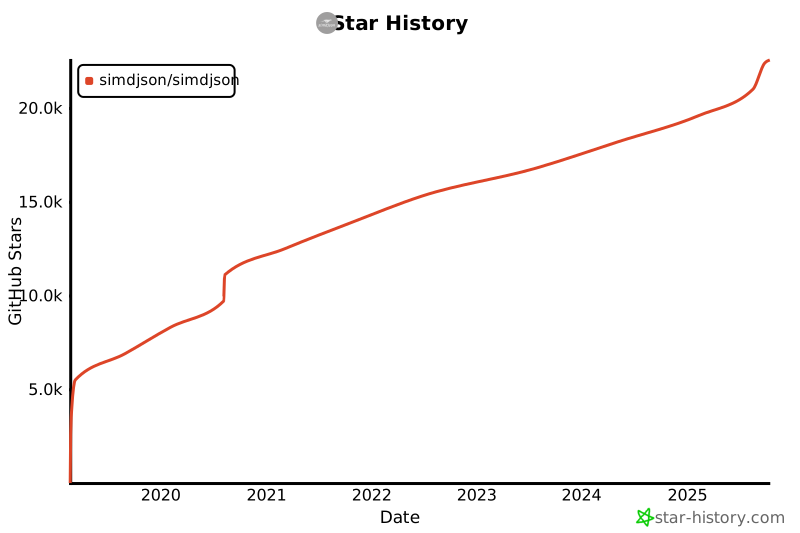](https://www.star-history.com/#simdjson/simdjson&Date)
|
||||
|
||||
|
||||
License
|
||||
-------
|
||||
|
||||
|
||||
@@ -35,6 +35,16 @@ if (TARGET benchmark::benchmark)
|
||||
endif()
|
||||
endif()
|
||||
|
||||
|
||||
include(CheckCXXCompilerFlag)
|
||||
check_cxx_compiler_flag("-std=c++20" SIMDJSON_COMPILER_SUPPORTS_CXX20)
|
||||
if(SIMDJSON_STATIC_REFLECTION)
|
||||
add_subdirectory(static_reflect)
|
||||
endif(SIMDJSON_STATIC_REFLECTION)
|
||||
else()
|
||||
if(SIMDJSON_EXCEPTIONS AND SIMDJSON_COMPILER_SUPPORTS_CXX20)
|
||||
add_subdirectory(from)
|
||||
add_subdirectory(car_builder)
|
||||
endif()
|
||||
endif(SIMDJSON_STATIC_REFLECTION)
|
||||
|
||||
|
||||
|
||||
@@ -0,0 +1,46 @@
|
||||
# Accessor Performance Benchmarks (C++26)
|
||||
|
||||
These benchmarks compare the performance of runtime vs compile-time JSON accessors.
|
||||
For the comparison to be meaningful, you must build simdjson with support for
|
||||
C++26 reflexion. See the `p2996` repository in the main project directory.
|
||||
|
||||
## Files
|
||||
|
||||
- `accessor_benchmark.h` - Common benchmark framework and test data
|
||||
- `runtime_accessors.h` - Runtime `at_path()` benchmarks
|
||||
- `compile_time_accessors.h` - Compile-time `at_path_compiled()` benchmarks (requires C++26 reflection)
|
||||
|
||||
## Benchmarks
|
||||
|
||||
Each benchmark measures parsing + single field access:
|
||||
|
||||
1. **accessor_simple** - Simple field: `.name`
|
||||
2. **accessor_nested** - Nested field: `.address.city`
|
||||
3. **accessor_deep** - Deep nested field: `.address.coordinates.lat`
|
||||
|
||||
## Building (Linux/macOS)
|
||||
|
||||
```bash
|
||||
cmake -B build -D SIMDJSON_STATIC_REFLECTION=ON -DSIMDJSON_DEVELOPER_MODE=ON
|
||||
cmake --build build --target=bench_ondemand
|
||||
```
|
||||
|
||||
The `SIMDJSON_STATIC_REFLECTION` will be made unnecessary once mainstream compilers
|
||||
begin supporting C++26 sufficiently well.
|
||||
|
||||
## Running (Linux/macOS)
|
||||
|
||||
|
||||
```bash
|
||||
# Run all accessor benchmarks
|
||||
./build/bench_ondemand --benchmark_filter="accessor"
|
||||
```
|
||||
|
||||
## Results
|
||||
|
||||
We find that compile-time accessors show performance improvements that scale with path depth:
|
||||
- Simple fields: ~1.2x faster
|
||||
- Nested fields: ~1.5x faster
|
||||
- Deep nested fields: ~1.8x faster
|
||||
|
||||
The speedup comes from eliminating runtime path parsing and conversion overhead.
|
||||
@@ -0,0 +1,132 @@
|
||||
#pragma once
|
||||
|
||||
#include "json_benchmark/file_runner.h"
|
||||
#include <string>
|
||||
|
||||
namespace accessor_performance {
|
||||
|
||||
using namespace json_benchmark;
|
||||
|
||||
// Test JSON for accessor benchmarks
|
||||
static const char* TEST_JSON = R"({
|
||||
"name": "Alice",
|
||||
"age": 30,
|
||||
"email": "alice@example.com",
|
||||
"address": {
|
||||
"street": "123 Main St",
|
||||
"city": "Boston",
|
||||
"state": "MA",
|
||||
"zip": 12345,
|
||||
"coordinates": {
|
||||
"lat": 42.3601,
|
||||
"lon": -71.0589
|
||||
}
|
||||
},
|
||||
"scores": [95, 87, 92, 88, 91],
|
||||
"preferences": {
|
||||
"theme": "dark",
|
||||
"notifications": {
|
||||
"email": true,
|
||||
"push": false,
|
||||
"sms": true
|
||||
}
|
||||
}
|
||||
})";
|
||||
|
||||
// Struct definitions for compile-time validation
|
||||
#if SIMDJSON_STATIC_REFLECTION
|
||||
struct Coordinates {
|
||||
double lat;
|
||||
double lon;
|
||||
};
|
||||
|
||||
struct Address {
|
||||
std::string street;
|
||||
std::string city;
|
||||
std::string state;
|
||||
int64_t zip;
|
||||
Coordinates coordinates;
|
||||
};
|
||||
|
||||
struct Notifications {
|
||||
bool email;
|
||||
bool push;
|
||||
bool sms;
|
||||
};
|
||||
|
||||
struct Preferences {
|
||||
std::string theme;
|
||||
Notifications notifications;
|
||||
};
|
||||
|
||||
struct TestData {
|
||||
std::string name;
|
||||
int64_t age;
|
||||
std::string email;
|
||||
Address address;
|
||||
std::vector<int64_t> scores;
|
||||
Preferences preferences;
|
||||
};
|
||||
#endif // SIMDJSON_STATIC_REFLECTION
|
||||
|
||||
// Single-access benchmark runner: measures ONE field access per iteration
|
||||
template<typename I>
|
||||
struct single_access_runner : public file_runner<I> {
|
||||
std::string result_string;
|
||||
int64_t result_int{};
|
||||
double result_double{};
|
||||
bool result_bool{};
|
||||
|
||||
bool setup(benchmark::State &state) {
|
||||
this->json = simdjson::padded_string(TEST_JSON, strlen(TEST_JSON));
|
||||
state.SetBytesProcessed(int64_t(state.iterations()) * int64_t(this->json.size()));
|
||||
return true;
|
||||
}
|
||||
|
||||
bool before_run(benchmark::State &state) {
|
||||
if (!file_runner<I>::before_run(state)) { return false; }
|
||||
result_string.clear();
|
||||
result_int = 0;
|
||||
result_double = 0.0;
|
||||
result_bool = false;
|
||||
return true;
|
||||
}
|
||||
|
||||
bool run(benchmark::State &) {
|
||||
return this->implementation.run(this->json, result_string, result_int, result_double, result_bool);
|
||||
}
|
||||
|
||||
template<typename R>
|
||||
bool diff(benchmark::State &state, single_access_runner<R> &reference) {
|
||||
if (result_string != reference.result_string ||
|
||||
result_int != reference.result_int ||
|
||||
result_double != reference.result_double ||
|
||||
result_bool != reference.result_bool) {
|
||||
std::cerr << "Accessor benchmark results differ!" << std::endl;
|
||||
return false;
|
||||
}
|
||||
return true;
|
||||
}
|
||||
|
||||
size_t items_per_iteration() {
|
||||
return 1;
|
||||
}
|
||||
};
|
||||
|
||||
// Benchmark template definitions
|
||||
struct runtime_at_path_simple;
|
||||
template<typename I> simdjson_inline static void accessor_simple(benchmark::State &state) {
|
||||
run_json_benchmark<single_access_runner<I>, single_access_runner<runtime_at_path_simple>>(state);
|
||||
}
|
||||
|
||||
struct runtime_at_path_nested;
|
||||
template<typename I> simdjson_inline static void accessor_nested(benchmark::State &state) {
|
||||
run_json_benchmark<single_access_runner<I>, single_access_runner<runtime_at_path_nested>>(state);
|
||||
}
|
||||
|
||||
struct runtime_at_path_deep;
|
||||
template<typename I> simdjson_inline static void accessor_deep(benchmark::State &state) {
|
||||
run_json_benchmark<single_access_runner<I>, single_access_runner<runtime_at_path_deep>>(state);
|
||||
}
|
||||
|
||||
} // namespace accessor_performance
|
||||
@@ -0,0 +1,56 @@
|
||||
#pragma once
|
||||
|
||||
#if SIMDJSON_EXCEPTIONS && SIMDJSON_STATIC_REFLECTION
|
||||
|
||||
#include "accessor_benchmark.h"
|
||||
|
||||
namespace accessor_performance {
|
||||
|
||||
using namespace simdjson;
|
||||
|
||||
struct compile_time_at_path_simple {
|
||||
ondemand::parser parser{};
|
||||
|
||||
bool run(simdjson::padded_string &json, std::string &result_str, int64_t&, double&, bool&) {
|
||||
auto doc = parser.iterate(json);
|
||||
std::string_view name;
|
||||
auto r = ondemand::json_path::at_path_compiled<TestData, ".name">(doc);
|
||||
if (r.get(name) != SUCCESS) return false;
|
||||
result_str = name;
|
||||
return true;
|
||||
}
|
||||
};
|
||||
|
||||
struct compile_time_at_path_nested {
|
||||
ondemand::parser parser{};
|
||||
|
||||
bool run(simdjson::padded_string &json, std::string &result_str, int64_t&, double&, bool&) {
|
||||
auto doc = parser.iterate(json);
|
||||
std::string_view city;
|
||||
auto r = ondemand::json_path::at_path_compiled<TestData, ".address.city">(doc);
|
||||
if (r.get(city) != SUCCESS) return false;
|
||||
result_str = city;
|
||||
return true;
|
||||
}
|
||||
};
|
||||
|
||||
struct compile_time_at_path_deep {
|
||||
ondemand::parser parser{};
|
||||
|
||||
bool run(simdjson::padded_string &json, std::string&, int64_t&, double &result_dbl, bool&) {
|
||||
auto doc = parser.iterate(json);
|
||||
double lat;
|
||||
auto r = ondemand::json_path::at_path_compiled<TestData, ".address.coordinates.lat">(doc);
|
||||
if (r.get(lat) != SUCCESS) return false;
|
||||
result_dbl = lat;
|
||||
return true;
|
||||
}
|
||||
};
|
||||
|
||||
BENCHMARK_TEMPLATE(accessor_simple, compile_time_at_path_simple)->UseManualTime();
|
||||
BENCHMARK_TEMPLATE(accessor_nested, compile_time_at_path_nested)->UseManualTime();
|
||||
BENCHMARK_TEMPLATE(accessor_deep, compile_time_at_path_deep)->UseManualTime();
|
||||
|
||||
} // namespace accessor_performance
|
||||
|
||||
#endif // SIMDJSON_EXCEPTIONS && SIMDJSON_STATIC_REFLECTION
|
||||
@@ -0,0 +1,53 @@
|
||||
#pragma once
|
||||
|
||||
#if SIMDJSON_EXCEPTIONS
|
||||
|
||||
#include "accessor_benchmark.h"
|
||||
|
||||
namespace accessor_performance {
|
||||
|
||||
using namespace simdjson;
|
||||
|
||||
struct runtime_at_path_simple {
|
||||
ondemand::parser parser{};
|
||||
|
||||
bool run(simdjson::padded_string &json, std::string &result_str, int64_t&, double&, bool&) {
|
||||
auto doc = parser.iterate(json);
|
||||
std::string_view name;
|
||||
if (doc.at_path(".name").get(name) != SUCCESS) return false;
|
||||
result_str = name;
|
||||
return true;
|
||||
}
|
||||
};
|
||||
|
||||
struct runtime_at_path_nested {
|
||||
ondemand::parser parser{};
|
||||
|
||||
bool run(simdjson::padded_string &json, std::string &result_str, int64_t&, double&, bool&) {
|
||||
auto doc = parser.iterate(json);
|
||||
std::string_view city;
|
||||
if (doc.at_path(".address.city").get(city) != SUCCESS) return false;
|
||||
result_str = city;
|
||||
return true;
|
||||
}
|
||||
};
|
||||
|
||||
struct runtime_at_path_deep {
|
||||
ondemand::parser parser{};
|
||||
|
||||
bool run(simdjson::padded_string &json, std::string&, int64_t&, double &result_dbl, bool&) {
|
||||
auto doc = parser.iterate(json);
|
||||
double lat;
|
||||
if (doc.at_path(".address.coordinates.lat").get(lat) != SUCCESS) return false;
|
||||
result_dbl = lat;
|
||||
return true;
|
||||
}
|
||||
};
|
||||
|
||||
BENCHMARK_TEMPLATE(accessor_simple, runtime_at_path_simple)->UseManualTime();
|
||||
BENCHMARK_TEMPLATE(accessor_nested, runtime_at_path_nested)->UseManualTime();
|
||||
BENCHMARK_TEMPLATE(accessor_deep, runtime_at_path_deep)->UseManualTime();
|
||||
|
||||
} // namespace accessor_performance
|
||||
|
||||
#endif // SIMDJSON_EXCEPTIONS
|
||||
@@ -148,4 +148,9 @@ SIMDJSON_POP_DISABLE_WARNINGS
|
||||
#include "large_amazon_cellphones/simdjson_dom.h"
|
||||
#include "large_amazon_cellphones/simdjson_ondemand.h"
|
||||
|
||||
#include "accessor_performance/runtime_accessors.h"
|
||||
#if SIMDJSON_STATIC_REFLECTION
|
||||
#include "accessor_performance/compile_time_accessors.h"
|
||||
#endif
|
||||
|
||||
BENCHMARK_MAIN();
|
||||
|
||||
@@ -0,0 +1,14 @@
|
||||
# Executable
|
||||
add_executable(benchmark_car_builder benchmark_car_builder.cpp)
|
||||
|
||||
# Compile for C++20.
|
||||
target_compile_features(benchmark_car_builder PRIVATE cxx_std_20)
|
||||
|
||||
# Check if -march=native is supported
|
||||
include(CheckCXXCompilerFlag)
|
||||
check_cxx_compiler_flag("-march=native" SIMDJSON_SUPPORTS_MARCH_NATIVE)
|
||||
if(SIMDJSON_SUPPORTS_MARCH_NATIVE)
|
||||
target_compile_options(benchmark_car_builder PRIVATE -march=native)
|
||||
endif()
|
||||
|
||||
target_include_directories(benchmark_car_builder PRIVATE ${CMAKE_CURRENT_LIST_DIR}/..)
|
||||
@@ -0,0 +1,127 @@
|
||||
#include "event_counter.h"
|
||||
#include <random>
|
||||
#include <vector>
|
||||
|
||||
#include <simdjson.h>
|
||||
|
||||
event_collector collector;
|
||||
|
||||
struct Car {
|
||||
std::string make;
|
||||
std::string model;
|
||||
int64_t year; // We deliberately do not include the tire pressure.
|
||||
};
|
||||
|
||||
std::vector<Car> generate_random_cars(size_t count) {
|
||||
static const std::vector<std::string> makes = {"Toyota", "Honda", "Ford",
|
||||
"BMW", "Mazda"};
|
||||
static const std::vector<std::string> models = {"Camry", "Civic", "Focus",
|
||||
"320i", "3"};
|
||||
static thread_local std::mt19937 rng{std::random_device{}()};
|
||||
std::uniform_int_distribution<int> make_dist(0, makes.size() - 1);
|
||||
std::uniform_int_distribution<int> model_dist(0, models.size() - 1);
|
||||
std::uniform_int_distribution<int64_t> year_dist(2000, 2025);
|
||||
std::uniform_real_distribution<double> pressure_dist(30.0, 45.0);
|
||||
|
||||
std::vector<Car> cars;
|
||||
cars.reserve(count);
|
||||
for (size_t i = 0; i < count; ++i) {
|
||||
Car car;
|
||||
car.make = makes[make_dist(rng)];
|
||||
car.model = models[model_dist(rng)];
|
||||
car.year = year_dist(rng);
|
||||
cars.push_back(std::move(car));
|
||||
}
|
||||
return cars;
|
||||
}
|
||||
|
||||
std::string_view serialize(simdjson::builder::string_builder &sb,
|
||||
const std::vector<Car> &cars) {
|
||||
sb.clear();
|
||||
sb.start_array();
|
||||
for (const auto &car : cars) {
|
||||
sb.start_object();
|
||||
sb.append_key_value("make", car.make);
|
||||
sb.append_comma();
|
||||
sb.append_key_value("model", car.model);
|
||||
sb.append_comma();
|
||||
sb.append_key_value("year", car.year);
|
||||
sb.end_object();
|
||||
}
|
||||
sb.end_array();
|
||||
std::string_view result;
|
||||
if (sb.view().get(result)) {
|
||||
return ""; // unexpected (error)
|
||||
}
|
||||
return result;
|
||||
}
|
||||
|
||||
double pretty_print(const std::string &name, size_t num_chars,
|
||||
std::pair<event_aggregate, size_t> result) {
|
||||
const auto &agg = result.first;
|
||||
size_t N = result.second;
|
||||
num_chars *= N;
|
||||
printf("%-40s : %8.2f ns %8.2f GB/s", name.c_str(),
|
||||
agg.elapsed_ns() / num_chars, num_chars / agg.elapsed_ns());
|
||||
if (collector.has_events()) {
|
||||
printf(" %8.2f GHz %8.2f cycles/char %8.2f ins./char %8.2f i/c",
|
||||
agg.cycles() / agg.elapsed_ns(), agg.cycles() / num_chars,
|
||||
agg.instructions() / num_chars, agg.instructions() / agg.cycles());
|
||||
}
|
||||
printf("\n");
|
||||
return num_chars / agg.elapsed_ns();
|
||||
}
|
||||
|
||||
template <class function_type>
|
||||
std::pair<event_aggregate, size_t>
|
||||
bench(const function_type &&function, size_t min_repeat = 100,
|
||||
size_t min_time_ns = 40'000'000, size_t max_repeat = 10000000) {
|
||||
size_t N = min_repeat;
|
||||
if (N == 0) {
|
||||
N = 1;
|
||||
}
|
||||
event_aggregate warm_aggregate{};
|
||||
for (size_t i = 0; i < N; i++) {
|
||||
std::atomic_thread_fence(std::memory_order_acquire);
|
||||
collector.start();
|
||||
function();
|
||||
std::atomic_thread_fence(std::memory_order_release);
|
||||
event_count allocate_count = collector.end();
|
||||
warm_aggregate << allocate_count;
|
||||
if ((i + 1 == N) && (warm_aggregate.total_elapsed_ns() < min_time_ns) &&
|
||||
(N < max_repeat)) {
|
||||
N *= 10;
|
||||
}
|
||||
}
|
||||
event_aggregate aggregate{};
|
||||
for (size_t i = 0; i < 10; i++) {
|
||||
std::atomic_thread_fence(std::memory_order_acquire);
|
||||
collector.start();
|
||||
for (size_t i = 0; i < N; i++) {
|
||||
function();
|
||||
}
|
||||
std::atomic_thread_fence(std::memory_order_release);
|
||||
event_count allocate_count = collector.end();
|
||||
aggregate << allocate_count;
|
||||
}
|
||||
return {aggregate, N};
|
||||
}
|
||||
|
||||
void run_benchmarks() {
|
||||
std::vector<Car> source = generate_random_cars(100000);
|
||||
simdjson::builder::string_builder sb;
|
||||
size_t volume = serialize(sb, source).size();
|
||||
|
||||
pretty_print("string_builder", volume, bench([&source, &sb]() -> size_t {
|
||||
return serialize(sb, source).size();
|
||||
}));
|
||||
}
|
||||
|
||||
int main() {
|
||||
for (size_t trial = 0; trial < 3; trial++) {
|
||||
printf("Trial %zu:\n", trial + 1);
|
||||
run_benchmarks();
|
||||
printf("\n");
|
||||
}
|
||||
return EXIT_SUCCESS;
|
||||
}
|
||||
@@ -44,7 +44,10 @@ struct yyjson_base {
|
||||
|
||||
struct yyjson : yyjson_base {
|
||||
bool run(simdjson::padded_string &json, std::vector<uint64_t> &result) {
|
||||
return yyjson_base::run(yyjson_read(json.data(), json.size(), 0), result);
|
||||
yyjson_doc *doc = yyjson_read(json.data(), json.size(), 0);
|
||||
bool b = yyjson_base::run(doc, result);
|
||||
yyjson_doc_free(doc);
|
||||
return b;
|
||||
}
|
||||
};
|
||||
BENCHMARK_TEMPLATE(distinct_user_id, yyjson)->UseManualTime();
|
||||
@@ -52,11 +55,15 @@ BENCHMARK_TEMPLATE(distinct_user_id, yyjson)->UseManualTime();
|
||||
#if SIMDJSON_COMPETITION_ONDEMAND_INSITU
|
||||
struct yyjson_insitu : yyjson_base {
|
||||
bool run(simdjson::padded_string &json, std::vector<uint64_t> &result) {
|
||||
return yyjson_base::run(yyjson_read_opts(json.data(), json.size(), YYJSON_READ_INSITU, 0, 0), result);
|
||||
yyjson_doc *doc = yyjson_read_opts(json.data(), json.size(), YYJSON_READ_INSITU, 0, 0);
|
||||
bool b = yyjson_base::run(doc, result);
|
||||
yyjson_doc_free(doc);
|
||||
return b;
|
||||
}
|
||||
};
|
||||
BENCHMARK_TEMPLATE(distinct_user_id, yyjson_insitu)->UseManualTime();
|
||||
#endif // SIMDJSON_COMPETITION_ONDEMAND_INSITU
|
||||
|
||||
} // namespace distinct_user_id
|
||||
|
||||
#endif // SIMDJSON_COMPETITION_YYJSON
|
||||
|
||||
@@ -25,12 +25,11 @@ int main(int argc, char *argv[]) {
|
||||
exit(1);
|
||||
}
|
||||
const char *filename = argv[1];
|
||||
auto v = simdjson::padded_string::load(filename);
|
||||
if (v.error()) {
|
||||
simdjson::padded_string p;
|
||||
if (simdjson::padded_string::load(filename).get(p)) {
|
||||
std::cerr << "Could not load the file " << filename << std::endl;
|
||||
return EXIT_FAILURE;
|
||||
}
|
||||
const simdjson::padded_string& p = v.value_unsafe();
|
||||
if (test_baseline) {
|
||||
std::wclog << "Baseline: Getline + normal parse... " << std::endl;
|
||||
std::cout << "Gigabytes/second\t"
|
||||
|
||||
@@ -36,18 +36,26 @@ struct yyjson_base {
|
||||
|
||||
struct yyjson : yyjson_base {
|
||||
bool run(simdjson::padded_string &json, uint64_t find_id, std::string_view &result) {
|
||||
return yyjson_base::run(yyjson_read(json.data(), json.size(), 0), find_id, result);
|
||||
yyjson_doc *doc = yyjson_read(json.data(), json.size(), 0);
|
||||
bool b = yyjson_base::run(doc, find_id, result);
|
||||
yyjson_doc_free(doc);
|
||||
return b;
|
||||
}
|
||||
};
|
||||
BENCHMARK_TEMPLATE(find_tweet, yyjson)->UseManualTime();
|
||||
|
||||
#if SIMDJSON_COMPETITION_ONDEMAND_INSITU
|
||||
struct yyjson_insitu : yyjson_base {
|
||||
bool run(simdjson::padded_string &json, uint64_t find_id, std::string_view &result) {
|
||||
return yyjson_base::run(yyjson_read_opts(json.data(), json.size(), YYJSON_READ_INSITU, 0, 0), find_id, result);
|
||||
yyjson_doc *doc = yyjson_read_opts(json.data(), json.size(), YYJSON_READ_INSITU, 0, 0);
|
||||
bool b = yyjson_base::run(doc, find_id, result);
|
||||
yyjson_doc_free(doc);
|
||||
return b;
|
||||
}
|
||||
};
|
||||
BENCHMARK_TEMPLATE(find_tweet, yyjson_insitu)->UseManualTime();
|
||||
#endif // SIMDJSON_COMPETITION_ONDEMAND_INSITU
|
||||
|
||||
} // namespace find_tweet
|
||||
|
||||
#endif // SIMDJSON_COMPETITION_YYJSON
|
||||
|
||||
@@ -0,0 +1,15 @@
|
||||
# Executable
|
||||
add_executable(from_benchmark from_benchmark.cpp)
|
||||
|
||||
# Compile for C++20.
|
||||
if(CMAKE_CXX_STANDARD LESS 20)
|
||||
target_compile_features(from_benchmark PRIVATE cxx_std_20)
|
||||
endif()
|
||||
# Check if -march=native is supported
|
||||
include(CheckCXXCompilerFlag)
|
||||
check_cxx_compiler_flag("-march=native" SIMDJSON_SUPPORTS_MARCH_NATIVE)
|
||||
if(SIMDJSON_SUPPORTS_MARCH_NATIVE)
|
||||
target_compile_options(from_benchmark PRIVATE -march=native)
|
||||
endif()
|
||||
|
||||
target_include_directories(from_benchmark PRIVATE ${CMAKE_CURRENT_LIST_DIR}/..)
|
||||
@@ -0,0 +1,77 @@
|
||||
#ifndef BENCHMARK_HELPERS_H
|
||||
#define BENCHMARK_HELPERS_H
|
||||
|
||||
#include "event_counter.h"
|
||||
#include <atomic>
|
||||
|
||||
event_collector collector;
|
||||
|
||||
template <class function_type>
|
||||
std::pair<event_aggregate, size_t>
|
||||
bench(const function_type &&function, size_t min_repeat = 10,
|
||||
size_t min_time_ns = 40'000'000, size_t max_repeat = 10000000) {
|
||||
size_t N = min_repeat;
|
||||
if (N == 0) {
|
||||
N = 1;
|
||||
}
|
||||
event_aggregate warm_aggregate{};
|
||||
for (size_t i = 0; i < N; i++) {
|
||||
std::atomic_thread_fence(std::memory_order_acquire);
|
||||
collector.start();
|
||||
function();
|
||||
std::atomic_thread_fence(std::memory_order_release);
|
||||
event_count allocate_count = collector.end();
|
||||
warm_aggregate << allocate_count;
|
||||
if ((i + 1 == N) && (warm_aggregate.total_elapsed_ns() < min_time_ns) &&
|
||||
(N < max_repeat)) {
|
||||
N *= 10;
|
||||
}
|
||||
}
|
||||
event_aggregate aggregate{};
|
||||
for (size_t i = 0; i < 10; i++) {
|
||||
std::atomic_thread_fence(std::memory_order_acquire);
|
||||
collector.start();
|
||||
for (size_t i = 0; i < N; i++) {
|
||||
function();
|
||||
}
|
||||
std::atomic_thread_fence(std::memory_order_release);
|
||||
event_count allocate_count = collector.end();
|
||||
aggregate << allocate_count;
|
||||
}
|
||||
return {aggregate, N};
|
||||
}
|
||||
|
||||
double pretty_print(const std::string &name, size_t num_chars,
|
||||
std::pair<event_aggregate, size_t> result) {
|
||||
const auto &agg = result.first;
|
||||
size_t N = result.second;
|
||||
num_chars *= N;
|
||||
printf("%-40s : %8.2f ns %8.2f GB/s", name.c_str(),
|
||||
agg.elapsed_ns() / num_chars, num_chars / agg.elapsed_ns());
|
||||
if (collector.has_events()) {
|
||||
printf(" %8.2f GHz %8.2f cycles/char %8.2f ins./char %8.2f i/c",
|
||||
agg.cycles() / agg.elapsed_ns(), agg.cycles() / num_chars,
|
||||
agg.instructions() / num_chars, agg.instructions() / agg.cycles());
|
||||
}
|
||||
printf("\n");
|
||||
return num_chars / agg.elapsed_ns();
|
||||
}
|
||||
|
||||
double pretty_print_array(const std::string &name, size_t num_chars, size_t num_elements,
|
||||
std::pair<event_aggregate, size_t> result) {
|
||||
const auto &agg = result.first;
|
||||
size_t N = result.second;
|
||||
num_chars *= N;
|
||||
printf("%-40s : %8.2f ns/char %8.2f ns/value %8.2f GB/s", name.c_str(),
|
||||
agg.elapsed_ns() / num_chars, agg.elapsed_ns() / num_elements, num_chars / agg.elapsed_ns());
|
||||
if (collector.has_events()) {
|
||||
printf(" %8.2f GHz %8.2f cycles/char %8.2f ins./char %8.2f ins./value %8.2f i/c",
|
||||
agg.cycles() / agg.elapsed_ns(), agg.cycles() / num_chars,
|
||||
agg.instructions() / num_chars, agg.instructions() / num_elements, agg.instructions() / agg.cycles());
|
||||
}
|
||||
printf("\n");
|
||||
return num_chars / agg.elapsed_ns();
|
||||
}
|
||||
|
||||
|
||||
#endif
|
||||
@@ -0,0 +1,146 @@
|
||||
#ifndef CAR_HELPERS_H
|
||||
#define CAR_HELPERS_H
|
||||
|
||||
#include <iomanip>
|
||||
#include <random>
|
||||
#include <sstream>
|
||||
#include <vector>
|
||||
|
||||
#include <simdjson.h>
|
||||
|
||||
struct Car {
|
||||
std::string make;
|
||||
std::string model;
|
||||
int64_t year; // We deliberately do not include the tire pressure.
|
||||
};
|
||||
|
||||
using namespace simdjson;
|
||||
|
||||
std::string random_car_json() {
|
||||
static const std::vector<std::string> makes = {"Toyota", "Honda", "Ford",
|
||||
"BMW", "Mazda"};
|
||||
static const std::vector<std::string> models = {"Camry", "Civic", "Focus",
|
||||
"320i", "3"};
|
||||
static thread_local std::mt19937 rng{std::random_device{}()};
|
||||
std::uniform_int_distribution<int> make_dist(0, makes.size() - 1);
|
||||
std::uniform_int_distribution<int> model_dist(0, models.size() - 1);
|
||||
std::uniform_int_distribution<int> year_dist(2000, 2025);
|
||||
std::uniform_real_distribution<double> pressure_dist(30.0, 45.0);
|
||||
|
||||
std::ostringstream oss;
|
||||
oss << R"({ "make": ")" << makes[make_dist(rng)] << R"(", "model": ")"
|
||||
<< models[model_dist(rng)] << R"(", "year": )" << year_dist(rng)
|
||||
<< R"(, "tire_pressure": [ )" << std::fixed << std::setprecision(1)
|
||||
<< pressure_dist(rng) << ", " << pressure_dist(rng) << R"( ] })";
|
||||
return oss.str();
|
||||
}
|
||||
|
||||
std::string generate_car_json_stream(size_t N) {
|
||||
std::ostringstream oss;
|
||||
for (size_t i = 0; i < N; ++i) {
|
||||
oss << random_car_json();
|
||||
oss << "\n";
|
||||
}
|
||||
return oss.str();
|
||||
}
|
||||
|
||||
std::string generate_car_json_array(size_t N) {
|
||||
std::ostringstream oss;
|
||||
oss << "[\n";
|
||||
for (size_t i = 0; i < N; ++i) {
|
||||
oss << random_car_json();
|
||||
if (i < N - 1) {
|
||||
oss << ",";
|
||||
}
|
||||
oss << "\n";
|
||||
}
|
||||
oss << "]";
|
||||
return oss.str();
|
||||
}
|
||||
|
||||
// We want to maximize C++ portability, but this is not needed with static
|
||||
// reflection (C++26).
|
||||
template <>
|
||||
simdjson_inline simdjson_result<Car>
|
||||
simdjson::ondemand::document::get() & noexcept {
|
||||
ondemand::object obj;
|
||||
auto error = get_object().get(obj);
|
||||
if (error) {
|
||||
return error;
|
||||
}
|
||||
Car car;
|
||||
if ((error = obj["make"].get_string(car.make))) {
|
||||
return error;
|
||||
}
|
||||
if ((error = obj["model"].get_string(car.model))) {
|
||||
return error;
|
||||
}
|
||||
if ((error = obj["year"].get_int64().get(car.year))) {
|
||||
return error;
|
||||
}
|
||||
return car;
|
||||
}
|
||||
|
||||
template <>
|
||||
simdjson_inline simdjson_result<Car> simdjson::ondemand::value::get() noexcept {
|
||||
ondemand::object obj;
|
||||
auto error = get_object().get(obj);
|
||||
if (error) {
|
||||
return error;
|
||||
}
|
||||
Car car;
|
||||
if ((error = obj["make"].get_string(car.make))) {
|
||||
return error;
|
||||
}
|
||||
if ((error = obj["model"].get_string(car.model))) {
|
||||
return error;
|
||||
}
|
||||
if ((error = obj["year"].get_int64().get(car.year))) {
|
||||
return error;
|
||||
}
|
||||
return car;
|
||||
}
|
||||
|
||||
template <>
|
||||
simdjson_inline simdjson_result<Car>
|
||||
simdjson::ondemand::document_reference::get() & noexcept {
|
||||
ondemand::object obj;
|
||||
auto error = get_object().get(obj);
|
||||
if (error) {
|
||||
return error;
|
||||
}
|
||||
Car car;
|
||||
if ((error = obj["make"].get_string(car.make))) {
|
||||
return error;
|
||||
}
|
||||
if ((error = obj["model"].get_string(car.model))) {
|
||||
return error;
|
||||
}
|
||||
if ((error = obj["year"].get_int64().get(car.year))) {
|
||||
return error;
|
||||
}
|
||||
return car;
|
||||
}
|
||||
|
||||
template <>
|
||||
simdjson_inline simdjson_result<Car>
|
||||
simdjson::ondemand::document_reference::get() && noexcept {
|
||||
ondemand::object obj;
|
||||
auto error = get_object().get(obj);
|
||||
if (error) {
|
||||
return error;
|
||||
}
|
||||
Car car;
|
||||
if ((error = obj["make"].get_string(car.make))) {
|
||||
return error;
|
||||
}
|
||||
if ((error = obj["model"].get_string(car.model))) {
|
||||
return error;
|
||||
}
|
||||
if ((error = obj["year"].get_int64().get(car.year))) {
|
||||
return error;
|
||||
}
|
||||
return car;
|
||||
}
|
||||
|
||||
#endif
|
||||
@@ -0,0 +1,132 @@
|
||||
// We are going to assume C++20.
|
||||
|
||||
#include <cstdint>
|
||||
#include <cstdio>
|
||||
#include <cstdlib>
|
||||
#include <simdjson.h>
|
||||
#include <string>
|
||||
|
||||
#include "benchmark_helpers.h"
|
||||
#include "car_helpers.h"
|
||||
|
||||
using namespace simdjson;
|
||||
|
||||
void run_benchmarks() {
|
||||
printf("Running benchmarks on tiny input...\n");
|
||||
simdjson::padded_string json =
|
||||
R"({ "make": "Toyota", "model": "Camry", "year": 2018, "tire_pressure": [ 40.1, 39.9 ] })"_padded;
|
||||
volatile size_t dummy = 0;
|
||||
ondemand::parser parser;
|
||||
|
||||
// Classic On-Demand
|
||||
pretty_print("simdjson classic", json.size(),
|
||||
bench([&json, &dummy, &parser]() {
|
||||
ondemand::document doc = parser.iterate(json);
|
||||
Car car = doc.get<Car>();
|
||||
dummy = dummy + car.year;
|
||||
}));
|
||||
|
||||
// Benchmark simdjson::from() without parser
|
||||
pretty_print("simdjson::from<Car>() (no parser)", json.size(),
|
||||
bench([&json, &dummy]() {
|
||||
Car car = simdjson::from(json);
|
||||
dummy = dummy + car.year;
|
||||
}));
|
||||
|
||||
// Benchmark simdjson::from() with parser
|
||||
pretty_print("simdjson::from<Car>() (with parser)", json.size(),
|
||||
bench([&json, &dummy, &parser]() {
|
||||
Car car = simdjson::from(parser, json);
|
||||
dummy = dummy + car.year;
|
||||
}));
|
||||
}
|
||||
|
||||
void run_array_benchmarks() {
|
||||
printf("Running benchmarks on large array...\n");
|
||||
size_t N = 1'000'000;
|
||||
simdjson::padded_string json = generate_car_json_array(N);
|
||||
volatile size_t dummy = 0;
|
||||
ondemand::parser parser;
|
||||
|
||||
// Classic On-Demand
|
||||
pretty_print_array("simdjson classic", json.size(), N,
|
||||
bench([&json, &dummy, &parser]() {
|
||||
dummy = 0;
|
||||
ondemand::document doc = parser.iterate(json);
|
||||
ondemand::array array = doc.get_array();
|
||||
for (auto value : array) {
|
||||
Car car = value.get<Car>();
|
||||
dummy = dummy + car.year;
|
||||
}
|
||||
}));
|
||||
|
||||
// from with array
|
||||
pretty_print_array("simdjson::from(json).array()", json.size(), N,
|
||||
bench([&json, &dummy, &parser]() {
|
||||
dummy = 0;
|
||||
|
||||
for (auto value : simdjson::from(json).array()) {
|
||||
Car car = value.get<Car>();
|
||||
dummy = dummy + car.year;
|
||||
}
|
||||
}));
|
||||
#if SIMDJSON_SUPPORTS_RANGES_FROM
|
||||
// Benchmark simdjson::from() without parser (EXPERIMENTAL)
|
||||
pretty_print_array("simdjson::from<Car>() (experimental, no parser)",
|
||||
json.size(), N, bench([&json, &dummy]() {
|
||||
dummy = 0;
|
||||
for (Car car :
|
||||
simdjson::from(json) | simdjson::as<Car>()) {
|
||||
dummy = dummy + car.year;
|
||||
}
|
||||
}));
|
||||
|
||||
// Benchmark simdjson::from() with parser (EXPERIMENTAL)
|
||||
pretty_print_array("simdjson::from<Car>() (experimental, with parser)",
|
||||
json.size(), N, bench([&json, &dummy, &parser]() {
|
||||
dummy = 0;
|
||||
for (Car car : simdjson::from(parser, json) |
|
||||
simdjson::as<Car>()) {
|
||||
dummy = dummy + car.year;
|
||||
}
|
||||
}));
|
||||
#endif // SIMDJSON_SUPPORTS_RANGES_FROM
|
||||
}
|
||||
|
||||
void run_stream_benchmarks() {
|
||||
printf("Running stream benchmarks...\n");
|
||||
simdjson::padded_string json = generate_car_json_stream(1'000'000);
|
||||
volatile size_t dummy = 0;
|
||||
ondemand::parser parser;
|
||||
|
||||
// Classic On-Demand
|
||||
pretty_print("simdjson classic", json.size(),
|
||||
bench([&json, &dummy, &parser]() {
|
||||
ondemand::document_stream stream = parser.iterate_many(json);
|
||||
for (auto doc : stream) {
|
||||
Car car = doc.get<Car>();
|
||||
dummy = dummy + car.year;
|
||||
}
|
||||
}));
|
||||
// from_many
|
||||
pretty_print("simdjson with thread local", json.size(),
|
||||
bench([&json, &dummy, &parser]() {
|
||||
ondemand::document_stream stream =
|
||||
ondemand::parser::get_parser().iterate_many(json);
|
||||
for (auto doc : stream) {
|
||||
Car car = doc.get<Car>();
|
||||
dummy = dummy + car.year;
|
||||
}
|
||||
}));
|
||||
}
|
||||
|
||||
int main() {
|
||||
for (size_t trial = 0; trial < 3; trial++) {
|
||||
printf("Trial %zu:\n", trial + 1);
|
||||
run_array_benchmarks();
|
||||
run_stream_benchmarks();
|
||||
run_benchmarks();
|
||||
printf("\n");
|
||||
}
|
||||
return EXIT_SUCCESS;
|
||||
}
|
||||
@@ -9,7 +9,11 @@ simdjson_never_inline
|
||||
double bench(std::string filename, simdjson::padded_string& p) {
|
||||
std::chrono::time_point<std::chrono::steady_clock> start_clock =
|
||||
std::chrono::steady_clock::now();
|
||||
simdjson::padded_string::load(filename).value_unsafe().swap(p);
|
||||
auto error = simdjson::padded_string::load(filename).get(p);
|
||||
if(error) {
|
||||
std::cerr << simdjson::error_message(error) << std::endl;
|
||||
std::abort();
|
||||
}
|
||||
std::chrono::time_point<std::chrono::steady_clock> end_clock =
|
||||
std::chrono::steady_clock::now();
|
||||
std::chrono::duration<double> elapsed = end_clock - start_clock;
|
||||
|
||||
@@ -100,6 +100,7 @@ struct yyjson : yyjson2msgpack {
|
||||
std::string_view &result) {
|
||||
yyjson_doc *doc = yyjson_read(json.data(), json.size(), 0);
|
||||
result = to_msgpack(doc, reinterpret_cast<uint8_t*>(buffer));
|
||||
yyjson_doc_free(doc);
|
||||
return true;
|
||||
}
|
||||
};
|
||||
@@ -113,6 +114,7 @@ struct yyjson_insitu : yyjson2msgpack {
|
||||
yyjson_doc *doc =
|
||||
yyjson_read_opts(json.data(), json.size(), YYJSON_READ_INSITU, 0, 0);
|
||||
result = to_msgpack(doc, reinterpret_cast<uint8_t*>(buffer));
|
||||
yyjson_doc_free(doc);
|
||||
return true;
|
||||
}
|
||||
};
|
||||
@@ -120,4 +122,4 @@ BENCHMARK_TEMPLATE(json2msgpack, yyjson_insitu)->UseManualTime();
|
||||
#endif // SIMDJSON_COMPETITION_ONDEMAND_INSITU
|
||||
} // namespace json2msgpack
|
||||
|
||||
#endif // SIMDJSON_COMPETITION_YYJSON
|
||||
#endif // SIMDJSON_COMPETITION_YYJSON
|
||||
|
||||
@@ -49,18 +49,26 @@ struct yyjson_base {
|
||||
|
||||
struct yyjson : yyjson_base {
|
||||
bool run(simdjson::padded_string &json, std::vector<point> &result) {
|
||||
return yyjson_base::run(yyjson_read(json.data(), json.size(), 0), result);
|
||||
yyjson_doc *doc = yyjson_read(json.data(), json.size(), 0);
|
||||
bool b = yyjson_base::run(doc, result);
|
||||
yyjson_doc_free(doc);
|
||||
return b;
|
||||
}
|
||||
};
|
||||
BENCHMARK_TEMPLATE(kostya, yyjson)->UseManualTime();
|
||||
|
||||
#if SIMDJSON_COMPETITION_ONDEMAND_INSITU
|
||||
struct yyjson_insitu : yyjson_base {
|
||||
bool run(simdjson::padded_string &json, std::vector<point> &result) {
|
||||
return yyjson_base::run(yyjson_read_opts(json.data(), json.size(), YYJSON_READ_INSITU, 0, 0), result);
|
||||
yyjson_doc *doc = yyjson_read_opts(json.data(), json.size(), YYJSON_READ_INSITU, 0, 0);
|
||||
bool b = yyjson_base::run(doc, result);
|
||||
yyjson_doc_free(doc);
|
||||
return b;
|
||||
}
|
||||
};
|
||||
BENCHMARK_TEMPLATE(kostya, yyjson_insitu)->UseManualTime();
|
||||
#endif // SIMDJSON_COMPETITION_ONDEMAND_INSITU
|
||||
|
||||
} // namespace kostya
|
||||
|
||||
#endif // SIMDJSON_COMPETITION_YYJSON
|
||||
|
||||
@@ -47,18 +47,26 @@ struct yyjson_base {
|
||||
|
||||
struct yyjson : yyjson_base {
|
||||
bool run(simdjson::padded_string &json, std::vector<point> &result) {
|
||||
return yyjson_base::run(yyjson_read(json.data(), json.size(), 0), result);
|
||||
yyjson_doc *doc = yyjson_read(json.data(), json.size(), 0);
|
||||
bool b = yyjson_base::run(doc, result);
|
||||
yyjson_doc_free(doc);
|
||||
return b;
|
||||
}
|
||||
};
|
||||
BENCHMARK_TEMPLATE(large_random, yyjson)->UseManualTime();
|
||||
|
||||
#if SIMDJSON_COMPETITION_ONDEMAND_INSITU
|
||||
struct yyjson_insitu : yyjson_base {
|
||||
bool run(simdjson::padded_string &json, std::vector<point> &result) {
|
||||
return yyjson_base::run(yyjson_read_opts(json.data(), json.size(), YYJSON_READ_INSITU, 0, 0), result);
|
||||
yyjson_doc *doc = yyjson_read_opts(json.data(), json.size(), YYJSON_READ_INSITU, 0, 0);
|
||||
bool b = yyjson_base::run(doc, result);
|
||||
yyjson_doc_free(doc);
|
||||
return b;
|
||||
}
|
||||
};
|
||||
BENCHMARK_TEMPLATE(large_random, yyjson_insitu)->UseManualTime();
|
||||
#endif // SIMDJSON_COMPETITION_ONDEMAND_INSITU
|
||||
|
||||
} // namespace large_random
|
||||
|
||||
#endif // SIMDJSON_COMPETITION_YYJSON
|
||||
|
||||
@@ -62,19 +62,26 @@ struct yyjson_base {
|
||||
|
||||
struct yyjson : yyjson_base {
|
||||
bool run(simdjson::padded_string &json, std::vector<tweet<std::string_view>> &result) {
|
||||
return yyjson_base::run(yyjson_read(json.data(), json.size(), 0), result);
|
||||
yyjson_doc *doc = yyjson_read(json.data(), json.size(), 0);
|
||||
bool b = yyjson_base::run(doc, result);
|
||||
yyjson_doc_free(doc);
|
||||
return b;
|
||||
}
|
||||
};
|
||||
BENCHMARK_TEMPLATE(partial_tweets, yyjson)->UseManualTime();
|
||||
|
||||
#if SIMDJSON_COMPETITION_ONDEMAND_INSITU
|
||||
struct yyjson_insitu : yyjson_base {
|
||||
bool run(simdjson::padded_string &json, std::vector<tweet<std::string_view>> &result) {
|
||||
return yyjson_base::run(yyjson_read_opts(json.data(), json.size(), YYJSON_READ_INSITU, 0, 0), result);
|
||||
yyjson_doc *doc = yyjson_read_opts(json.data(), json.size(), YYJSON_READ_INSITU, 0, 0);
|
||||
bool b = yyjson_base::run(doc, result);
|
||||
yyjson_doc_free(doc);
|
||||
return b;
|
||||
}
|
||||
};
|
||||
BENCHMARK_TEMPLATE(partial_tweets, yyjson_insitu)->UseManualTime();
|
||||
#endif // SIMDJSON_COMPETITION_ONDEMAND_INSITU
|
||||
|
||||
} // namespace partial_tweets
|
||||
|
||||
#endif // SIMDJSON_COMPETITION_YYJSON
|
||||
|
||||
|
||||
@@ -6,38 +6,42 @@ CPMAddPackage(
|
||||
EXCLUDE_FROM_ALL YES
|
||||
)
|
||||
|
||||
option(SIMDJSON_USE_RUST "Build the static_reflect benchmark" OFF)
|
||||
|
||||
|
||||
if(NOT WIN32)
|
||||
# We want the check whether Rust is available before trying to build a crate.
|
||||
CPMAddPackage(
|
||||
NAME corrosion
|
||||
GITHUB_REPOSITORY corrosion-rs/corrosion
|
||||
VERSION 0.4.4
|
||||
DOWNLOAD_ONLY ON
|
||||
OPTIONS "Rust_FIND_QUIETLY OFF"
|
||||
)
|
||||
include("${corrosion_SOURCE_DIR}/cmake/FindRust.cmake")
|
||||
endif()
|
||||
|
||||
if(RUST_FOUND)
|
||||
message(STATUS "Rust found: " ${Rust_VERSION} )
|
||||
add_subdirectory("${corrosion_SOURCE_DIR}" "${PROJECT_BINARY_DIR}/_deps/corrosion" EXCLUDE_FROM_ALL)
|
||||
# Important: we want to build in release mode!
|
||||
corrosion_import_crate(MANIFEST_PATH "serde-benchmark/Cargo.toml" NO_LINKER_OVERRIDE PROFILE release)
|
||||
else()
|
||||
message(STATUS "Rust/Cargo is unavailable." )
|
||||
message(STATUS "We will not benchmark serde-benchmark." )
|
||||
if (${CMAKE_SYSTEM_NAME} MATCHES "Darwin")
|
||||
message(STATUS "Under macOS, you may be able to install rust with")
|
||||
message(STATUS "curl https://sh.rustup.rs -sSf | sh")
|
||||
elseif(CMAKE_SYSTEM_NAME STREQUAL "Linux")
|
||||
message(STATUS "Under Linux, you may be able to install rust with a command such as")
|
||||
message(STATUS "apt-get install cargo" )
|
||||
message(STATUS "or" )
|
||||
message(STATUS "curl https://sh.rustup.rs -sSf | sh")
|
||||
if(SIMDJSON_USER_RUST)
|
||||
if(NOT WIN32)
|
||||
# We want the check whether Rust is available before trying to build a crate.
|
||||
CPMAddPackage(
|
||||
NAME corrosion
|
||||
GITHUB_REPOSITORY corrosion-rs/corrosion
|
||||
VERSION 0.4.4
|
||||
DOWNLOAD_ONLY ON
|
||||
OPTIONS "Rust_FIND_QUIETLY OFF"
|
||||
)
|
||||
include("${corrosion_SOURCE_DIR}/cmake/FindRust.cmake")
|
||||
endif()
|
||||
endif()
|
||||
|
||||
if(RUST_FOUND)
|
||||
message(STATUS "Rust found: " ${Rust_VERSION} )
|
||||
add_subdirectory("${corrosion_SOURCE_DIR}" "${PROJECT_BINARY_DIR}/_deps/corrosion" EXCLUDE_FROM_ALL)
|
||||
# Important: we want to build in release mode!
|
||||
corrosion_import_crate(MANIFEST_PATH "serde-benchmark/Cargo.toml" NO_LINKER_OVERRIDE PROFILE release)
|
||||
else()
|
||||
message(STATUS "Rust/Cargo is unavailable." )
|
||||
message(STATUS "We will not benchmark serde-benchmark." )
|
||||
if (${CMAKE_SYSTEM_NAME} MATCHES "Darwin")
|
||||
message(STATUS "Under macOS, you may be able to install rust with")
|
||||
message(STATUS "curl https://sh.rustup.rs -sSf | sh")
|
||||
elseif(CMAKE_SYSTEM_NAME STREQUAL "Linux")
|
||||
message(STATUS "Under Linux, you may be able to install rust with a command such as")
|
||||
message(STATUS "apt-get install cargo" )
|
||||
message(STATUS "or" )
|
||||
message(STATUS "curl https://sh.rustup.rs -sSf | sh")
|
||||
endif()
|
||||
endif()
|
||||
else(SIMDJSON_USER_RUST)
|
||||
message(STATUS "We will not benchmark serde-benchmark." )
|
||||
endif(SIMDJSON_USER_RUST)
|
||||
|
||||
# Add the benchmark executable targets
|
||||
add_subdirectory(twitter_benchmark)
|
||||
|
||||
@@ -51,18 +51,26 @@ struct yyjson_base {
|
||||
|
||||
struct yyjson : yyjson_base {
|
||||
bool run(simdjson::padded_string &json, int64_t max_retweet_count, top_tweet_result<StringType> &result) {
|
||||
return yyjson_base::run(yyjson_read(json.data(), json.size(), 0), max_retweet_count, result);
|
||||
yyjson_doc *doc = yyjson_read(json.data(), json.size(), 0);
|
||||
bool b = yyjson_base::run(doc, max_retweet_count, result);
|
||||
yyjson_doc_free(doc);
|
||||
return b;
|
||||
}
|
||||
};
|
||||
BENCHMARK_TEMPLATE(top_tweet, yyjson)->UseManualTime();
|
||||
|
||||
#if SIMDJSON_COMPETITION_ONDEMAND_INSITU
|
||||
struct yyjson_insitu : yyjson_base {
|
||||
bool run(simdjson::padded_string &json, int64_t max_retweet_count, top_tweet_result<StringType> &result) {
|
||||
return yyjson_base::run(yyjson_read_opts(json.data(), json.size(), YYJSON_READ_INSITU, 0, 0), max_retweet_count, result);
|
||||
yyjson_doc *doc = yyjson_read_opts(json.data(), json.size(), YYJSON_READ_INSITU, 0, 0);
|
||||
bool b = yyjson_base::run(doc, max_retweet_count, result);
|
||||
yyjson_doc_free(doc);
|
||||
return b;
|
||||
}
|
||||
};
|
||||
BENCHMARK_TEMPLATE(top_tweet, yyjson_insitu)->UseManualTime();
|
||||
#endif // SIMDJSON_COMPETITION_ONDEMAND_INSITU
|
||||
|
||||
} // namespace top_tweet
|
||||
|
||||
#endif // SIMDJSON_COMPETITION_YYJSON
|
||||
|
||||
@@ -4,7 +4,7 @@
|
||||
add_library(simdjson-internal-flags INTERFACE)
|
||||
if(NOT DEFINED CMAKE_POSITION_INDEPENDENT_CODE)
|
||||
# We default to ON for all targets, so that we can use the library in shared libraries.
|
||||
set_target_properties(simdjson-internal-flags PROPERTIES POSITION_INDEPENDENT_CODE ON)
|
||||
set_target_properties(simdjson-internal-flags PROPERTIES INTERFACE_POSITION_INDEPENDENT_CODE ON)
|
||||
endif(NOT DEFINED CMAKE_POSITION_INDEPENDENT_CODE)
|
||||
|
||||
option(SIMDJSON_CHECK_EOF "Check for the end of the input buffer. The setting is unnecessary since we require padding of the inputs. You should expect tests to fail with this option turned on." OFF)
|
||||
@@ -32,6 +32,9 @@ undefined behavior.")
|
||||
link_libraries(
|
||||
-fsanitize=address -fno-omit-frame-pointer -fno-sanitize-recover=all
|
||||
)
|
||||
elseif (CMAKE_CXX_COMPILER_ID STREQUAL "MSVC")
|
||||
add_compile_options(-fsanitize=address)
|
||||
link_libraries(-fsanitize=address)
|
||||
else()
|
||||
message(
|
||||
STATUS
|
||||
@@ -171,6 +174,10 @@ else()
|
||||
-Werror -Wall -Wextra -Weffc++ -Wsign-compare -Wshadow -Wwrite-strings
|
||||
-Wpointer-arith -Winit-self -Wconversion -Wno-sign-conversion
|
||||
)
|
||||
if(CMAKE_CXX_STANDARD VERSION_GREATER_EQUAL 20)
|
||||
target_compile_options(simdjson-internal-flags INTERFACE -Wctad-maybe-unsupported)
|
||||
endif()
|
||||
|
||||
endif()
|
||||
|
||||
option(SIMDJSON_GLIBCXX_ASSERTIONS "Set _GLIBCXX_ASSERTIONS" OFF)
|
||||
|
||||
@@ -17,8 +17,9 @@ editing CMAKE_CXX_FLAGS")
|
||||
# /EHc used in conjection with /EHs indicates that extern "C" functions
|
||||
# never throw (terminate-on-throw)
|
||||
# Here, we disable both with the - argument negation operator
|
||||
string(REPLACE "/EHsc" "/EHs-c-" CMAKE_CXX_FLAGS ${CMAKE_CXX_FLAGS})
|
||||
|
||||
if(CMAKE_CXX_FLAGS)
|
||||
string(REPLACE "/EHsc" "/EHs-c-" CMAKE_CXX_FLAGS ${CMAKE_CXX_FLAGS})
|
||||
endif()
|
||||
# Because we cannot change the flag above on an individual target (yet), the
|
||||
# definition below must similarly be added globally
|
||||
add_definitions(-D_HAS_EXCEPTIONS=0)
|
||||
|
||||
@@ -0,0 +1,4 @@
|
||||
set(CMAKE_SYSTEM_NAME Linux)
|
||||
set(CMAKE_SYSTEM_PROCESSOR riscv64)
|
||||
|
||||
set(CMAKE_CROSSCOMPILING_EMULATOR "qemu-riscv64-static")
|
||||
+469
-207
File diff suppressed because it is too large
Load Diff
@@ -1,5 +1,8 @@
|
||||
We take our documentation seriously. Please start reading the documentation before you attempt to use simdjson. We hope you will enjoy reading us.
|
||||
|
||||
* Basics: https://github.com/simdjson/simdjson/blob/master/doc/basics.md is an overview of how to use simdjson and its APIs.
|
||||
* iterate_many: https://github.com/simdjson/simdjson/blob/master/doc/iterate_many.md describes an interface providing features to work with files or streams containing multiple small JSON documents. As fast and convenient as possible.
|
||||
* Performance: https://github.com/simdjson/simdjson/blob/master/doc/performance.md shows some more advanced scenarios and how to tune for them.
|
||||
* [Basics](doc/basics.md) is an overview of how to use simdjson and its APIs.
|
||||
* [Builder](doc/builder.md) is an overview of how to efficiently write JSON strings using simdjson.
|
||||
* [Performance](doc/performance.md) shows some more advanced scenarios and how to tune for them.
|
||||
* [Implementation Selection](doc/implementation-selection.md) describes runtime CPU detection and
|
||||
how you can work with it.
|
||||
* [API](https://simdjson.github.io/simdjson/) contains the automatically generated API documentation.
|
||||
|
||||
+172
-8
@@ -34,32 +34,33 @@ It has the following methods to add content to the string:
|
||||
- `append_null()`: Appends the string "null" to the JSON buffer.
|
||||
- `clear()`: Clears the contents of the JSON buffer, resetting the position to 0 while retaining the allocated capacity.
|
||||
- `escape_and_append(std::string_view input)`: Appends a string view to the JSON buffer after escaping special characters (e.g., quotes, backslashes) as required by JSON.
|
||||
- `escape_and_append_with_quotes(std::string_view input)` Appends a string view surrounded by double quotes (e.g., "input") to the JSON buffer after escaping special characters.
|
||||
Parameters:
|
||||
- `escape_and_append_with_quotes(std::string_view input)` Appends a string view surrounded by double quotes (e.g., "input") to the JSON buffer after escaping special characters. For constant strings, you may also do `escape_and_append_with_quotes<"mystring">()`.
|
||||
- `escape_and_append_with_quotes(char input)`: Appends a single character surrounded by double quotes (e.g., "c") to the JSON buffer after escaping it if necessary.
|
||||
- `append_raw(const char *c)`: Appends a null-terminated C string directly to the JSON buffer without escaping.
|
||||
- `append_raw(std::string_view input)`: Appends a string view directly to the JSON buffer without escaping.
|
||||
- `append_raw(const char *str, size_t len)`: Appends a specified number of characters from a C string directly to the JSON
|
||||
- `append_key_value(key,value)`: Appends a key and a value (`"json":somevalue`)
|
||||
- `append_key_value<"mykey">(value)`: Appends a key and a value (`"json":somevalue`), useful when the key is a compile-time constant (C++20).
|
||||
|
||||
After writting the content, if you have reasons to believe that the content might violate UTF-8 conventions, you can check it as follows:
|
||||
After writing the content, if you have reasons to believe that the content might violate UTF-8 conventions, you can check it as follows:
|
||||
|
||||
- `validate_unicode()`: Checks if the content in the JSON buffer is valid UTF-8. Returns: true if the content is valid UTF-8, false otherwise.
|
||||
|
||||
You might need to do unicode validation if you have strings in your data structures containing
|
||||
malformed UTF-8.
|
||||
malformed UTF-8. Note that we do not automatically call `validate_unicode()`.
|
||||
|
||||
Once you are satisfied, you can recover the string as follows:
|
||||
|
||||
- `operator std::string()`: Converts the JSON buffer to an std::string. (Might throw if an error occurred.)
|
||||
- `operator std::string_view()`: Converts the JSON buffer to an std::string_view. (Might throw if an error occurred.)
|
||||
- `view()`: Returns a view of the written JSON buffer as a `simdjson_result<std::string_view>`.
|
||||
- `view()`: Returns a view of the written JSON buffer as a `simdjson_result<std::string_view>` (C++20).
|
||||
|
||||
The later method (`view()`) is recommended.
|
||||
The later method (`view()`) is recommended. For performance reasons, we expect you to explicitly call `validate_unicode()` as needed (e.g., prior to calling `view()`).
|
||||
|
||||
Example: string_builder
|
||||
---------------------------
|
||||
|
||||
```C++
|
||||
```cpp
|
||||
struct Car {
|
||||
std::string make;
|
||||
std::string model;
|
||||
@@ -109,6 +110,9 @@ bool car_test() {
|
||||
}
|
||||
```
|
||||
|
||||
|
||||
|
||||
|
||||
The `string_builder` constructor takes an optional parameter which specifies the initial
|
||||
memory allocation in byte. If you know approximately the size of your JSON output, you can
|
||||
pass this value as a parameter (e.g., `simdjson::builder::string_builder sb{1233213}`).
|
||||
@@ -124,6 +128,100 @@ The `string_builder` might throw an exception in case of error when you cast it
|
||||
|
||||
In all cases, the `std::string_view` instance depends the corresponding `string_builder` instance.
|
||||
|
||||
### C++20
|
||||
|
||||
|
||||
|
||||
If you have C++20, you can simplify the code, as the `std::vector<double>` is automatically supported. Further, we can pass the keys (which are compile-time
|
||||
constant) as template parameter (for improved performance).
|
||||
|
||||
```cpp
|
||||
Car c = {"Toyota", "Corolla", 2017, {30.0,30.2,30.513,30.79}};
|
||||
simdjson::builder::string_builder sb;
|
||||
sb.start_object();
|
||||
sb.append_key_value<"make">(c.make);
|
||||
sb.append_comma();
|
||||
sb.append_key_value<"model">(c.model);
|
||||
sb.append_comma();
|
||||
sb.append_key_value<"year">(c.year);
|
||||
sb.append_comma();
|
||||
sb.append_key_value<"tire_pressure">(c.tire_pressure);
|
||||
sb.end_object();
|
||||
std::string_view p = sb.view();
|
||||
```
|
||||
|
||||
With C++20, you can similarly handle standard containers transparently.
|
||||
For example, you can serialize `std::map<std::string,T>` types.
|
||||
|
||||
```cpp
|
||||
std::map<std::string,double> c = {{"key1", 1}, {"key2", 1}};
|
||||
simdjson::builder::string_builder sb;
|
||||
sb.append(c);
|
||||
std::string_view p = sb.view();
|
||||
```
|
||||
|
||||
You can also serialize `std::vector<T>` types.
|
||||
|
||||
```cpp
|
||||
std::vector<std::vector<double>> c = {{1.0, 2.0}, {3.0, 4.0}};
|
||||
simdjson::builder::string_builder sb;
|
||||
sb.append(c);
|
||||
std::string_view p = sb.view();
|
||||
```
|
||||
|
||||
You can also skip the creation for the `string_builder` instance in such simple cases.
|
||||
|
||||
```cpp
|
||||
std::vector<std::vector<double>> c = {{1.0, 2.0}, {3.0, 4.0}};
|
||||
std::string json = simdjson::to_json(c);
|
||||
```
|
||||
|
||||
We also have an overload for when you want to reuse the same `std::string` instance:
|
||||
|
||||
|
||||
```cpp
|
||||
std::vector<std::vector<double>> c = {{1.0, 2.0}, {3.0, 4.0}};
|
||||
std::string json;
|
||||
auto error = simdjson::to_json(c, json);
|
||||
if(error) { /* there was an error */ }
|
||||
```
|
||||
|
||||
|
||||
We do recommend that you create and reuse the `string_builder` instance for performance
|
||||
reasons.
|
||||
|
||||
You can also add custom serialization functions using a `tag_invoke` function.
|
||||
For example, the following
|
||||
function will allow you to serialize instances of the type `Car`.
|
||||
|
||||
```cpp
|
||||
#include <simdjson>
|
||||
|
||||
struct Car {
|
||||
std::string make;
|
||||
std::string model;
|
||||
int64_t year;
|
||||
std::vector<float> tire_pressure;
|
||||
};
|
||||
|
||||
namespace simdjson {
|
||||
|
||||
template <typename builder_type>
|
||||
void tag_invoke(serialize_tag, builder_type &builder, const Car& car) {
|
||||
builder.start_object();
|
||||
builder.append_key_value("make", car.make);
|
||||
builder.append_comma();
|
||||
builder.append_key_value("model", car.model);
|
||||
builder.append_comma();
|
||||
builder.append_key_value("year", car.year);
|
||||
builder.append_comma();
|
||||
builder.append_key_value("tire_pressure", car.tire_pressure);
|
||||
builder.end_object();
|
||||
}
|
||||
|
||||
} // namespace simdjson
|
||||
```
|
||||
|
||||
C++26 static reflection
|
||||
------------------------
|
||||
|
||||
@@ -185,7 +283,38 @@ with the `simdjson::to_json` template function.
|
||||
If you know the output size, in bytes, of your JSON string, you may
|
||||
pass it as a second parameter (e.g., `simdjson::to_json(c, 31123)`).
|
||||
|
||||
Sometimes you may want to reuse the same `std::string` instance. We
|
||||
have an overload for this purpose:
|
||||
|
||||
```cpp
|
||||
Car c = {"Toyota", "Corolla", 2017, {30.0,30.2,30.513,30.79}};
|
||||
std::string s;
|
||||
auto error = simdjson::to_json(c, s);
|
||||
if(error) { /* there was an error */ }
|
||||
```
|
||||
|
||||
You can then also add a third parameter for the expected output size in bytes.
|
||||
|
||||
### Extracting just some fields
|
||||
In some instances, your class might have many fields that you do not want to serialize.
|
||||
You can achieve this result with the `simdjson::extract_from` template. In the following
|
||||
example, we serialize only the `year` and `price` fields on the `Car` instance.
|
||||
```cpp
|
||||
struct Car {
|
||||
std::string make;
|
||||
std::string model;
|
||||
int year;
|
||||
double price;
|
||||
bool electric;
|
||||
};
|
||||
Car car{"Ford", "F-150", 2024, 55000.0, false};
|
||||
// Extract year and price
|
||||
std::string json_result = simdjson::extract_from<"year", "price">(car);
|
||||
// Alternatively:
|
||||
// std::string json_result;
|
||||
// auto error = extract_from<"year", "price">(car).get(json_result);
|
||||
// if(error) { /* error handling */ }
|
||||
```
|
||||
|
||||
### Without `string_buffer` instance but with explicit error handling
|
||||
|
||||
@@ -194,9 +323,44 @@ pattern:
|
||||
|
||||
```cpp
|
||||
std::string json;
|
||||
if(simdjson::to(c).get(json)) {
|
||||
if(simdjson::to_json(c).get(json)) {
|
||||
// there was an error
|
||||
} else {
|
||||
// json contain the serialized JSON
|
||||
}
|
||||
```
|
||||
|
||||
### Customization
|
||||
|
||||
If you want to serialize a value in a custome way, you can do it with a
|
||||
`tag_invoke` specialization like the following example which will map
|
||||
the year attribute to a string.
|
||||
|
||||
|
||||
```cpp
|
||||
#include <simdjson>
|
||||
|
||||
struct Car {
|
||||
std::string make;
|
||||
std::string model;
|
||||
int64_t year;
|
||||
std::vector<float> tire_pressure;
|
||||
};
|
||||
|
||||
namespace simdjson {
|
||||
|
||||
template <typename builder_type>
|
||||
void tag_invoke(serialize_tag, builder_type &builder, const Car& car) {
|
||||
builder.start_object();
|
||||
builder.append_key_value("make", car.make);
|
||||
builder.append_comma();
|
||||
builder.append_key_value("model", car.model);
|
||||
builder.append_comma();
|
||||
builder.append_key_value("year", std::to_string(car.year));
|
||||
builder.append_comma();
|
||||
builder.append_key_value("tire_pressure", car.tire_pressure);
|
||||
builder.end_object();
|
||||
}
|
||||
|
||||
} // namespace simdjson
|
||||
```
|
||||
@@ -0,0 +1,149 @@
|
||||
# Parse json at compile time
|
||||
* [Introduction](#introduction)
|
||||
* [Example](#example)
|
||||
* [Loading from disk](#loading-from-disk)
|
||||
* [Limitations (compile-time errors)](#limitations-compile-time-errors)
|
||||
|
||||
|
||||
## Introduction
|
||||
In some instances, you may want to configure your software at compile-time with a JSON document.
|
||||
Maybe you have a single code base but many different possible configurations, all resulting in
|
||||
different software. For example, you might be programming robots, using the same software, but
|
||||
different robot configurations.
|
||||
|
||||
To achieve the desired result, you have a few options. You may start the software and parser a
|
||||
JSON file at runtime. Or you might convert your JSON data into C++ code that you can compile with
|
||||
your software.
|
||||
|
||||
With C++26, there is another way: parse the JSON file along with your C++ code. In this manner,
|
||||
the JSON data becomes native C++ data.
|
||||
|
||||
The simdjson library supports parsing JSON documents at compile time if you have C++26 support. To
|
||||
activate C++26 reflection support, you can compile
|
||||
your code with the `SIMDJSON_STATIC_REFLECTION` macro set:
|
||||
|
||||
```cpp
|
||||
#define SIMDJSON_STATIC_REFLECTION 1
|
||||
//...
|
||||
#include "simdjson.h"
|
||||
```
|
||||
|
||||
The `simdjson::compile_time::parse_json` function parses a JSON document at **compile time** and returns a `constexpr` structure reflecting its content. We support the full range of JSON values, which are mapped to C++ types as in
|
||||
the following table.
|
||||
|
||||
|
||||
| JSON type | C++ type |
|
||||
|----------------|----------------------------------|
|
||||
| object | anonymous struct |
|
||||
| array | `std::array<T, N>` (homogeneous) |
|
||||
| string | `const char*` (UTF-8) |
|
||||
| number | `int64_t`, `uint64_t`, `double` |
|
||||
| `true`/`false` | `bool` |
|
||||
| `null` | `std::nullptr_t` |
|
||||
|
||||
## Example
|
||||
|
||||
Suppose you want to parse the following JSON document:
|
||||
|
||||
```cpp
|
||||
{
|
||||
"port": 8080,
|
||||
"host": "localhost",
|
||||
"debug": true
|
||||
}
|
||||
```
|
||||
|
||||
You can do so, at compile-time, as follows:
|
||||
|
||||
|
||||
```cpp
|
||||
constexpr auto cfg = simdjson::compile_time::parse_json<R"({
|
||||
"port": 8080,
|
||||
"host": "localhost",
|
||||
"debug": true
|
||||
})">();
|
||||
|
||||
// cfg.port == 8080
|
||||
// std::string_view(cfg.host) == "localhost"
|
||||
// cfg.debug == true
|
||||
```
|
||||
|
||||
You can nest objects and arrays:
|
||||
|
||||
```cpp
|
||||
constexpr auto data = simdjson::compile_time::parse_json<R"({
|
||||
"servers": [
|
||||
{"host": "s1", "port": 3000},
|
||||
{"host": "s2", "port": 3001}
|
||||
]
|
||||
})">();
|
||||
|
||||
|
||||
// data.servers.size() == 2
|
||||
// std::string_view(data.servers[0].host) == "s1"
|
||||
```
|
||||
|
||||
Top-level arrays are allowed:
|
||||
|
||||
```cpp
|
||||
constexpr auto arr = simdjson::compile_time::parse_json<R"([1, 2, 3])">();
|
||||
static_assert(arr.size() == 3);
|
||||
static_assert(arr[1] == 2);
|
||||
```
|
||||
|
||||
## Loading from disk
|
||||
|
||||
In practice, you may have a JSON file, say `json_data` that you want to parse
|
||||
at compile time. You may do so as follows.
|
||||
|
||||
```c++
|
||||
constexpr const char json_data[] = {
|
||||
#embed "test.json"
|
||||
, 0
|
||||
};
|
||||
|
||||
constexpr auto json = simdjson::compile_time::parse_json<json_data>();
|
||||
```
|
||||
|
||||
|
||||
## Limitations (compile-time errors)
|
||||
|
||||
We have a few limitations which trigger compile-time errors if violated.
|
||||
|
||||
|
||||
- Only JSON objects and arrays are supported at the top level (no primitives).
|
||||
We will lift this limitation in the future.
|
||||
- Strings are represented using the `const char*` in UTF-8, but they must not
|
||||
contain embedded nulls. We would prefer to represent them as std::string or
|
||||
std::string_view, and hope to do so in the future.
|
||||
- Heterogeneous arrays are not supported yet. E.g., you need to have arrays of
|
||||
all integers, or all strings, all floats, all compatible objects, etc.
|
||||
For example, the following is accepted:
|
||||
```json
|
||||
[
|
||||
{ "name": "Alice", "age": 30 },
|
||||
{ "name": "Bob", "age": 25 },
|
||||
{ "name": "Charlie", "age": 35 }
|
||||
]
|
||||
```
|
||||
but the following is not:
|
||||
```json
|
||||
[
|
||||
{ "name": "Alice", "age": 30 },
|
||||
"Just a string",
|
||||
42,
|
||||
{ "name": "Charlie", "age": 35 }
|
||||
]
|
||||
```
|
||||
We may support heterogeneous arrays in the future with std::variant types.
|
||||
- We parse the first JSON document encountered in the string. Trailing
|
||||
characters are ignored. Thus if your JSON begins with {"a":1}, everything
|
||||
after the closing brace is ignored. This limitation will be lifted in the future,
|
||||
reporting an error.
|
||||
|
||||
These limitations are safe in the sense that they result in compile-time errors.
|
||||
Thus you will not get truncated strings or imprecise floats silently.
|
||||
|
||||
|
||||
Although we are committed to maintaining the functionality in the long run, the
|
||||
`compile_time::parse_json` function is subject to change.
|
||||
@@ -0,0 +1,444 @@
|
||||
# Compile-Time JSONPath and JSON Pointer Accessors
|
||||
|
||||
**Note:** This feature requires C++26 Static Reflection support (P2996) and is currently only available with experimental compilers. You must enable it with `-DSIMDJSON_STATIC_REFLECTION=ON` when building.
|
||||
|
||||
## Overview
|
||||
|
||||
simdjson provides compile-time JSONPath and JSON Pointer accessors that validate paths against struct definitions at compile time and generate optimized accessor code with zero runtime overhead. This combines the safety of compile-time type checking with the performance of pre-parsed, pre-validated access paths.
|
||||
|
||||
## Requirements
|
||||
|
||||
- C++26 compiler with Static Reflection support (P2996)
|
||||
- Experimental compiler flags:
|
||||
- Clang with P2996 support: `-std=c++26 -freflection -fexpansion-statements`
|
||||
- Build configuration: `-DSIMDJSON_STATIC_REFLECTION=ON`
|
||||
|
||||
## How It Works
|
||||
|
||||
**Compile Time:**
|
||||
1. Path string is parsed and converted to access steps
|
||||
2. Path is validated against struct definition using reflection
|
||||
3. Field types are checked and verified
|
||||
4. Optimized accessor code is generated
|
||||
|
||||
**Runtime:**
|
||||
- Direct navigation with no parsing
|
||||
- No validation overhead
|
||||
- No string comparisons for path components
|
||||
- Type-safe extraction
|
||||
|
||||
## Two Usage Modes
|
||||
|
||||
### Mode 1: With Type Validation (Recommended)
|
||||
|
||||
When you provide a struct type, the compiler validates the entire path at compile time:
|
||||
|
||||
```cpp
|
||||
struct User {
|
||||
std::string name;
|
||||
int age;
|
||||
std::vector<std::string> emails;
|
||||
};
|
||||
|
||||
const padded_string json = R"({
|
||||
"name": "Alice",
|
||||
"age": 30,
|
||||
"emails": ["alice@example.com", "alice@work.com"]
|
||||
})"_padded;
|
||||
|
||||
ondemand::parser parser;
|
||||
auto doc = parser.iterate(json);
|
||||
|
||||
// Compile-time validation: checks that User has "name" field of type std::string
|
||||
std::string name;
|
||||
auto result = ondemand::json_path::at_path_compiled<User, ".name">(doc);
|
||||
result.get(name); // name = "Alice"
|
||||
|
||||
// Compile-time validation: checks that "emails" is array-like with string elements
|
||||
std::string email;
|
||||
result = ondemand::json_path::at_path_compiled<User, ".emails[0]">(doc);
|
||||
result.get(email); // email = "alice@example.com"
|
||||
```
|
||||
|
||||
**Benefits:**
|
||||
- **Compile-time errors** if path doesn't exist in struct
|
||||
- **Type safety** - verifies field types match expected types
|
||||
- **Refactoring protection** - renaming struct fields causes compile errors
|
||||
|
||||
**What gets validated:**
|
||||
- Field existence
|
||||
- Field types
|
||||
- Array/container access validity
|
||||
- Nested struct navigation
|
||||
|
||||
### Mode 2: Without Validation
|
||||
|
||||
When you omit the struct type, the path is parsed at compile time but not validated:
|
||||
|
||||
```cpp
|
||||
const padded_string json = R"({
|
||||
"name": "Alice",
|
||||
"age": 30,
|
||||
"address": {"city": "Boston"}
|
||||
})"_padded;
|
||||
|
||||
ondemand::parser parser;
|
||||
auto doc = parser.iterate(json);
|
||||
|
||||
// No compile-time validation - path is only parsed
|
||||
std::string name;
|
||||
auto result = ondemand::json_path::at_path_compiled<".name">(doc);
|
||||
result.get(name); // name = "Alice"
|
||||
|
||||
std::string_view city;
|
||||
result = ondemand::json_path::at_path_compiled<".address.city">(doc);
|
||||
result.get(city); // city = "Boston"
|
||||
```
|
||||
|
||||
**Benefits:**
|
||||
- Works with dynamic/unknown JSON structures
|
||||
- Still benefits from compile-time path parsing
|
||||
- No runtime string parsing overhead
|
||||
|
||||
**Use when:**
|
||||
- JSON structure is not known at compile time
|
||||
- Working with varied JSON schemas
|
||||
- Prototyping or exploratory parsing
|
||||
|
||||
## JSONPath Syntax
|
||||
|
||||
JSONPath uses dot notation and bracket notation for field access:
|
||||
|
||||
### Supported Syntax
|
||||
|
||||
| Syntax | Description | Example |
|
||||
|--------|-------------|---------|
|
||||
| `.field` | Dot notation for field access | `.name`, `.address.city` |
|
||||
| `["field"]` | Bracket notation with quotes | `["name"]`, `["address"]["city"]` |
|
||||
| `[index]` | Array index access | `[0]`, `[1]` |
|
||||
| Mixed | Combination of notations | `.emails[0]`, `["users"][0].name` |
|
||||
| `$` prefix | Optional root indicator | `$.name`, `$["name"]` |
|
||||
|
||||
### Examples
|
||||
|
||||
```cpp
|
||||
struct Address {
|
||||
std::string city;
|
||||
int zip;
|
||||
};
|
||||
|
||||
struct Person {
|
||||
std::string name;
|
||||
int age;
|
||||
Address address;
|
||||
std::vector<std::string> emails;
|
||||
};
|
||||
|
||||
// Dot notation
|
||||
at_path_compiled<Person, ".name">(doc)
|
||||
at_path_compiled<Person, ".address.city">(doc)
|
||||
|
||||
// Bracket notation
|
||||
at_path_compiled<Person, "[\"name\"]">(doc)
|
||||
at_path_compiled<Person, "[\"address\"][\"city\"]">(doc)
|
||||
|
||||
// Array access
|
||||
at_path_compiled<Person, ".emails[0]">(doc)
|
||||
at_path_compiled<Person, ".emails[1]">(doc)
|
||||
|
||||
// Mixed notation
|
||||
at_path_compiled<Person, ".address[\"zip\"]">(doc)
|
||||
at_path_compiled<Person, "[\"emails\"][0]">(doc)
|
||||
|
||||
// With root indicator
|
||||
at_path_compiled<Person, "$.name">(doc)
|
||||
at_path_compiled<Person, "$.address.city">(doc)
|
||||
```
|
||||
|
||||
## JSON Pointer Syntax
|
||||
|
||||
JSON Pointer (RFC 6901) uses slash-separated paths:
|
||||
|
||||
### Supported Syntax
|
||||
|
||||
| Syntax | Description | Example |
|
||||
|--------|-------------|---------|
|
||||
| `/field` | Field access | `/name`, `/address/city` |
|
||||
| `/index` | Array index | `/0`, `/1` |
|
||||
| `~0` | Escaped `~` | `/field~0name` → field~name |
|
||||
| `~1` | Escaped `/` | `/field~1name` → field/name |
|
||||
|
||||
### Examples
|
||||
|
||||
```cpp
|
||||
struct Car {
|
||||
std::string make;
|
||||
std::string model;
|
||||
int64_t year;
|
||||
std::vector<double> tire_pressure;
|
||||
};
|
||||
|
||||
// Field access
|
||||
at_pointer_compiled<Car, "/make">(doc)
|
||||
at_pointer_compiled<Car, "/model">(doc)
|
||||
|
||||
// Array access
|
||||
at_pointer_compiled<Car, "/tire_pressure/0">(doc)
|
||||
at_pointer_compiled<Car, "/tire_pressure/1">(doc)
|
||||
|
||||
// Root pointer (returns whole document)
|
||||
at_pointer_compiled<Car, "">(doc)
|
||||
at_pointer_compiled<Car, "/">(doc)
|
||||
```
|
||||
|
||||
## API Reference
|
||||
|
||||
### JSONPath Functions
|
||||
|
||||
```cpp
|
||||
// With type validation
|
||||
template<typename T, constevalutil::fixed_string Path, typename DocOrValue>
|
||||
simdjson_result<value> at_path_compiled(DocOrValue& doc_or_val);
|
||||
|
||||
// Without validation
|
||||
template<constevalutil::fixed_string Path, typename DocOrValue>
|
||||
simdjson_result<value> at_path_compiled(DocOrValue& doc_or_val);
|
||||
```
|
||||
|
||||
### JSON Pointer Functions
|
||||
|
||||
```cpp
|
||||
// With type validation
|
||||
template<typename T, constevalutil::fixed_string Pointer, typename DocOrValue>
|
||||
simdjson_result<value> at_pointer_compiled(DocOrValue& doc_or_val);
|
||||
|
||||
// Without validation
|
||||
template<constevalutil::fixed_string Pointer, typename DocOrValue>
|
||||
simdjson_result<value> at_pointer_compiled(DocOrValue& doc_or_val);
|
||||
```
|
||||
|
||||
### Direct Field Extraction
|
||||
|
||||
Extract values directly into variables with compile-time type checking:
|
||||
|
||||
```cpp
|
||||
// JSONPath
|
||||
template<typename T, constevalutil::fixed_string Path>
|
||||
struct path_accessor {
|
||||
template<typename DocOrValue, typename FieldType>
|
||||
static error_code extract_field(DocOrValue& doc_or_val, FieldType& target);
|
||||
};
|
||||
|
||||
// JSON Pointer
|
||||
template<typename T, constevalutil::fixed_string Pointer>
|
||||
struct pointer_accessor {
|
||||
template<typename DocOrValue, typename FieldType>
|
||||
static error_code extract_field(DocOrValue& doc_or_val, FieldType& target);
|
||||
};
|
||||
```
|
||||
|
||||
**Example:**
|
||||
|
||||
```cpp
|
||||
struct User {
|
||||
std::string name;
|
||||
int age;
|
||||
};
|
||||
|
||||
ondemand::parser parser;
|
||||
auto doc = parser.iterate(json);
|
||||
|
||||
// Extract directly into variable
|
||||
std::string name;
|
||||
ondemand::json_path::path_accessor<User, ".name">::extract_field(doc, name);
|
||||
|
||||
int age;
|
||||
ondemand::json_path::pointer_accessor<User, "/age">::extract_field(doc, age);
|
||||
```
|
||||
|
||||
The compiler verifies that the target variable type matches the field type at the path.
|
||||
|
||||
## Complete Examples
|
||||
|
||||
### Example 1: Validated Access
|
||||
|
||||
```cpp
|
||||
#include "simdjson.h"
|
||||
using namespace simdjson;
|
||||
|
||||
struct Car {
|
||||
std::string make;
|
||||
std::string model;
|
||||
int64_t year;
|
||||
std::vector<double> tire_pressure;
|
||||
};
|
||||
|
||||
int main() {
|
||||
const padded_string json = R"({
|
||||
"make": "Toyota",
|
||||
"model": "Camry",
|
||||
"year": 2018,
|
||||
"tire_pressure": [40.1, 39.9, 37.7, 40.4]
|
||||
})"_padded;
|
||||
|
||||
ondemand::parser parser;
|
||||
auto doc = parser.iterate(json);
|
||||
|
||||
// Type-validated access
|
||||
std::string make;
|
||||
auto result = ondemand::json_path::at_path_compiled<Car, ".make">(doc);
|
||||
result.get(make); // make = "Toyota"
|
||||
|
||||
// Array access with validation
|
||||
double pressure;
|
||||
result = ondemand::json_path::at_path_compiled<Car, ".tire_pressure[1]">(doc);
|
||||
result.get(pressure); // pressure = 39.9
|
||||
|
||||
return 0;
|
||||
}
|
||||
```
|
||||
|
||||
### Example 2: Non-Validated Access
|
||||
|
||||
```cpp
|
||||
#include "simdjson.h"
|
||||
using namespace simdjson;
|
||||
|
||||
int main() {
|
||||
const padded_string json = R"({
|
||||
"user": {
|
||||
"name": "Alice",
|
||||
"preferences": {
|
||||
"theme": "dark",
|
||||
"notifications": true
|
||||
}
|
||||
}
|
||||
})"_padded;
|
||||
|
||||
ondemand::parser parser;
|
||||
auto doc = parser.iterate(json);
|
||||
|
||||
// No validation - works with any JSON structure
|
||||
std::string_view theme;
|
||||
auto result = ondemand::json_path::at_path_compiled<".user.preferences.theme">(doc);
|
||||
result.get(theme); // theme = "dark"
|
||||
|
||||
bool notifications;
|
||||
result = ondemand::json_path::at_path_compiled<".user.preferences.notifications">(doc);
|
||||
result.get(notifications); // notifications = true
|
||||
|
||||
return 0;
|
||||
}
|
||||
```
|
||||
|
||||
### Example 3: Direct Extraction
|
||||
|
||||
```cpp
|
||||
#include "simdjson.h"
|
||||
using namespace simdjson;
|
||||
|
||||
struct Person {
|
||||
std::string name;
|
||||
int age;
|
||||
std::vector<std::string> emails;
|
||||
};
|
||||
|
||||
int main() {
|
||||
const padded_string json = R"({
|
||||
"name": "Bob",
|
||||
"age": 25,
|
||||
"emails": ["bob@example.com", "bob@work.com"]
|
||||
})"_padded;
|
||||
|
||||
ondemand::parser parser;
|
||||
auto doc = parser.iterate(json);
|
||||
|
||||
// Extract with type validation
|
||||
std::string name;
|
||||
ondemand::json_path::path_accessor<Person, ".name">::extract_field(doc, name);
|
||||
// name = "Bob"
|
||||
|
||||
int age;
|
||||
ondemand::json_path::pointer_accessor<Person, "/age">::extract_field(doc, age);
|
||||
// age = 25
|
||||
|
||||
std::string email;
|
||||
ondemand::json_path::path_accessor<Person, ".emails[0]">::extract_field(doc, email);
|
||||
// email = "bob@example.com"
|
||||
|
||||
return 0;
|
||||
}
|
||||
```
|
||||
|
||||
## Error Handling
|
||||
|
||||
Compile-time errors occur when:
|
||||
- Path doesn't exist in struct: `static_assert` failure
|
||||
- Field type mismatch: `static_assert` failure
|
||||
- Invalid array access on non-array field: `static_assert` failure
|
||||
|
||||
Runtime errors occur when:
|
||||
- JSON structure doesn't match expected structure
|
||||
- Array index out of bounds
|
||||
- Type conversion failures
|
||||
|
||||
```cpp
|
||||
struct User {
|
||||
std::string name;
|
||||
int age;
|
||||
};
|
||||
|
||||
// Compile-time error: no "email" field in User
|
||||
// auto result = ondemand::json_path::at_path_compiled<User, ".email">(doc);
|
||||
|
||||
// Compile-time error: age is not an array
|
||||
// auto result = ondemand::json_path::at_path_compiled<User, ".age[0]">(doc);
|
||||
|
||||
// Runtime error if JSON doesn't have "name" field
|
||||
auto result = ondemand::json_path::at_path_compiled<User, ".name">(doc);
|
||||
std::string name;
|
||||
if (result.get(name) != SUCCESS) {
|
||||
// Handle error
|
||||
}
|
||||
```
|
||||
|
||||
## Performance
|
||||
|
||||
Compile-time accessors provide:
|
||||
- **Zero path parsing overhead** - paths parsed at compile time
|
||||
- **Zero validation overhead** - validation done at compile time
|
||||
- **Direct field access** - no runtime path traversal
|
||||
- **Type-safe extraction** - no dynamic type checking
|
||||
|
||||
Compared to runtime `at_path()` and `at_pointer()`:
|
||||
- Eliminates runtime path string parsing
|
||||
- Eliminates runtime path validation
|
||||
- Generates optimal code path directly
|
||||
|
||||
## Limitations
|
||||
|
||||
- Requires C++26 compiler with P2996 support (experimental)
|
||||
- Paths must be compile-time constants (string literals)
|
||||
- Cannot use runtime-computed paths
|
||||
- Limited to struct types that support reflection
|
||||
- Array indices must be compile-time constants in the path
|
||||
|
||||
## When to Use
|
||||
|
||||
**Use compile-time accessors when:**
|
||||
- You have well-defined struct types
|
||||
- JSON structure is known at compile time
|
||||
- You want maximum type safety
|
||||
- Performance is critical
|
||||
|
||||
**Use runtime `at_path()`/`at_pointer()` when:**
|
||||
- JSON structure varies or is unknown
|
||||
- Paths are computed at runtime
|
||||
- Working with C++20 or earlier
|
||||
- Flexibility is more important than compile-time checks
|
||||
|
||||
## See Also
|
||||
|
||||
- [JSON Pointer](basics.md#json-pointer) - Runtime JSON Pointer support
|
||||
- [JSONPath](basics.md#jsonpath) - Runtime JSONPath support
|
||||
- [Static Reflection for Deserialization](basics.md#3-using-static-reflection-c26) - Using reflection for full struct deserialization
|
||||
+100
-32
@@ -41,7 +41,7 @@ The Basics: Loading and Parsing JSON Documents using the DOM front-end
|
||||
The simdjson library offers a simple DOM tree API, which you can access by creating a
|
||||
`dom::parser` and calling the `load()` method:
|
||||
|
||||
```c++
|
||||
```cpp
|
||||
dom::parser parser;
|
||||
dom::element doc = parser.load(filename); // load and parse a file
|
||||
```
|
||||
@@ -49,21 +49,21 @@ dom::element doc = parser.load(filename); // load and parse a file
|
||||
Or by creating a padded string (for efficiency reasons, simdjson requires a string with
|
||||
SIMDJSON_PADDING bytes at the end) and calling `parse()`:
|
||||
|
||||
```c++
|
||||
```cpp
|
||||
dom::parser parser;
|
||||
dom::element doc = parser.parse("[1,2,3]"_padded); // parse a string, the _padded suffix creates a simdjson::padded_string instance
|
||||
```
|
||||
|
||||
You can copy your data directly on a `simdjson::padded_string` as follows:
|
||||
|
||||
```c++
|
||||
```cpp
|
||||
const char * data = "my data"; // 7 bytes
|
||||
simdjson::padded_string my_padded_data(data, 7); // copies to a padded buffer
|
||||
```
|
||||
|
||||
Or as follows...
|
||||
|
||||
```c++
|
||||
```cpp
|
||||
std::string data = "my data";
|
||||
simdjson::padded_string my_padded_data(data); // copies to a padded buffer
|
||||
```
|
||||
@@ -83,7 +83,7 @@ container-overflow checks, you may encounter sanitizer warnings.
|
||||
You can safely ignore these warnings. Or you can call `simdjson::pad(std::string&)` to pad the
|
||||
string with `SIMDJSON_PADDING` spaces: this function returns a `simdjson::padding_string_view` which can be be passed to the parser's iterator function:
|
||||
|
||||
```c++
|
||||
```cpp
|
||||
std::string json = "[1]";
|
||||
dom::element doc = parser.parse(simdjson::pad(json));
|
||||
```
|
||||
@@ -117,7 +117,7 @@ Once you have an element, you can navigate it with idiomatic C++ iterators, oper
|
||||
dom::object and dom::array. An exception (`simdjson::simdjson_error`) is thrown if the cast is not possible.
|
||||
* **Extracting Values (without exceptions):** You can use a variant usage of `get()` with error codes to avoid exceptions. You first declare the variable of the appropriate type (`double`, `uint64_t`, `int64_t`, `bool`, `std::string_view`,
|
||||
`dom::object` and `dom::array`) and pass it by reference to `get()` which gives you back an error code: e.g.,
|
||||
```c++
|
||||
```cpp
|
||||
simdjson::error_code error;
|
||||
simdjson::padded_string numberstring = "1.2"_padded; // our JSON input ("1.2")
|
||||
simdjson::dom::parser parser;
|
||||
@@ -129,7 +129,7 @@ Once you have an element, you can navigate it with idiomatic C++ iterators, oper
|
||||
The strings contain unescaped valid UTF-8 strings: no unmatched surrogate is allowed.
|
||||
Internally, numbers are stored as either 64-bit integers or 64-bit floating-point numbers.
|
||||
Thus it is possible to get the full 64-bit integer range (either signed or unsigned).
|
||||
By default, the string `-0` is parsed as the integer 0 as in Pytho or C++. If you set the macro
|
||||
By default, the string `-0` is parsed as the integer 0 as in Python or C++. If you set the macro
|
||||
`SIMDJSON_MINUS_ZERO_AS_FLOAT` to `1` when building simdjson, you can get that `-0` is mapped to `-0.0`
|
||||
as in JavaScript. You can get the desired effect by building simdjson with cmake setting the
|
||||
`SIMDJSON_MINUS_ZERO_AS_FLOAT` to on: `cmake -B build -D SIMDJSON_MINUS_ZERO_AS_FLOAT=ON`.
|
||||
@@ -152,7 +152,7 @@ Once you have an element, you can navigate it with idiomatic C++ iterators, oper
|
||||
|
||||
The following code illustrates all of the above:
|
||||
|
||||
```c++
|
||||
```cpp
|
||||
auto cars_json = R"( [
|
||||
{ "make": "Toyota", "model": "Camry", "year": 2018, "tire_pressure": [ 40.1, 39.9, 37.7, 40.4 ] },
|
||||
{ "make": "Kia", "model": "Soul", "year": 2012, "tire_pressure": [ 30.1, 31.0, 28.6, 28.7 ] },
|
||||
@@ -185,7 +185,7 @@ for (dom::object car : parser.parse(cars_json)) {
|
||||
|
||||
Here is a different example illustrating the same ideas:
|
||||
|
||||
```C++
|
||||
```cpp
|
||||
auto abstract_json = R"( [
|
||||
{ "12345" : {"a":12.34, "b":56.78, "c": 9998877} },
|
||||
{ "12545" : {"a":11.44, "b":12.78, "c": 11111111} }
|
||||
@@ -207,7 +207,7 @@ for (dom::object obj : parser.parse(abstract_json)) {
|
||||
And another one:
|
||||
|
||||
|
||||
```C++
|
||||
```cpp
|
||||
auto abstract_json = R"(
|
||||
{ "str" : { "123" : {"abc" : 3.14 } } } )"_padded;
|
||||
dom::parser parser;
|
||||
@@ -221,7 +221,7 @@ C++17 Support
|
||||
|
||||
While the simdjson library can be used in any project using C++ 11 and above, field iteration has special support C++ 17's destructuring syntax. For example:
|
||||
|
||||
```c++
|
||||
```cpp
|
||||
padded_string json = R"( { "foo": 1, "bar": 2 } )"_padded;
|
||||
dom::parser parser;
|
||||
dom::object object; // invalid until the get() succeeds
|
||||
@@ -234,7 +234,7 @@ for (auto [key, value] : object) {
|
||||
|
||||
For comparison, here is the C++ 11 version of the same code:
|
||||
|
||||
```c++
|
||||
```cpp
|
||||
// C++ 11 version for comparison
|
||||
padded_string json = R"( { "foo": 1, "bar": 2 } )"_padded;
|
||||
dom::parser parser;
|
||||
@@ -251,7 +251,7 @@ C++20 Support
|
||||
|
||||
simdjson library also supports some C++20 feature including `std::ranges`:
|
||||
|
||||
```c++
|
||||
```cpp
|
||||
auto cars_json = R"( [
|
||||
{ "make": "Toyota", "model": "Camry", "year": 2018, "tire_pressure": [ 40.1, 39.9, 37.7, 40.4 ] },
|
||||
{ "make": "Kia", "model": "Soul", "year": 2012, "tire_pressure": [ 30.1, 31.0, 28.6, 28.7 ] },
|
||||
@@ -270,7 +270,7 @@ JSON Pointer
|
||||
The simdjson library also supports [JSON pointer](https://tools.ietf.org/html/rfc6901) through the
|
||||
`at_pointer()` method, letting you reach further down into the document in a single call:
|
||||
|
||||
```c++
|
||||
```cpp
|
||||
auto cars_json = R"( [
|
||||
{ "make": "Toyota", "model": "Camry", "year": 2018, "tire_pressure": [ 40.1, 39.9, 37.7, 40.4 ] },
|
||||
{ "make": "Kia", "model": "Soul", "year": 2012, "tire_pressure": [ 30.1, 31.0, 28.6, 28.7 ] },
|
||||
@@ -291,7 +291,7 @@ You can apply a JSON Pointer expression to any node and the path gets interprete
|
||||
|
||||
Consider the following example:
|
||||
|
||||
```c++
|
||||
```cpp
|
||||
auto cars_json = R"( [
|
||||
{ "make": "Toyota", "model": "Camry", "year": 2018, "tire_pressure": [ 40.1, 39.9, 37.7, 40.4 ] },
|
||||
{ "make": "Kia", "model": "Soul", "year": 2012, "tire_pressure": [ 30.1, 31.0, 28.6, 28.7 ] },
|
||||
@@ -313,11 +313,11 @@ JSONPath
|
||||
------------
|
||||
|
||||
|
||||
The simdjson library supports a subset of [JSONPath](https://datatracker.ietf.org/doc/html/draft-normington-jsonpath-00) through the `at_path()` method, allowing you to reach further into the document in a single call. The subset of JSONPath that is implemented is the subset that is trivially convertible into the JSON Pointer format, using `.` to access a field and `[]` to access a specific index.
|
||||
The simdjson library supports a subset of [JSONPath](https://www.rfc-editor.org/rfc/rfc9535) (RFC 9535) through the `at_path()` method, allowing you to reach further into the document in a single call. The subset of JSONPath that is implemented is the subset that is trivially convertible into the JSON Pointer format, using `.` to access a field and `[]` to access a specific index.
|
||||
|
||||
Consider the following example:
|
||||
|
||||
```c++
|
||||
```cpp
|
||||
auto cars_json = R"( [
|
||||
{ "make": "Toyota", "model": "Camry", "year": 2018, "tire_pressure": [ 40.1, 39.9, 37.7, 40.4 ] },
|
||||
{ "make": "Kia", "model": "Soul", "year": 2012, "tire_pressure": [ 30.1, 31.0, 28.6, 28.7 ] },
|
||||
@@ -336,7 +336,7 @@ cout << p << endl; // Prints 39.9
|
||||
|
||||
We also support the `$` prefix. When you start a JSONPath expression with $, you are indicating that the path starts from the root of the JSON document. E.g.,
|
||||
|
||||
```c++
|
||||
```cpp
|
||||
auto json = R"( { "c" :{ "foo": { "a": [ 10, 20, 30 ] }}, "d": { "foo2": { "a": [ 10, 20, 30 ] }} , "e": 120 })"_padded;
|
||||
dom::parser parser;
|
||||
dom::element doc;
|
||||
@@ -354,13 +354,81 @@ if(error) { /*won't happen*/ }
|
||||
```
|
||||
|
||||
|
||||
## Using `at_path_with_wildcard` for JSONPath Queries
|
||||
|
||||
The `at_path_with_wildcard` function in simdjson extends the JSONPath querying capabilities by supporting wildcard expressions (`*`) in JSON paths. This allows users to retrieve multiple elements from a JSON document in a single query. For example, you can use `$.address.*` to fetch all fields within the `address` object or `$.phoneNumbers[*].numbers[*]` to retrieve all phone numbers across multiple objects in an array.
|
||||
|
||||
The `*` wildcard matches all elements at a specific level. For instance, `$.address.*` retrieves all key-value pairs in the `address` object, while `$.*.streetAddress` fetches all `streetAddress` fields across objects at the root level. You can combine wildcards with array indexing. For example, `$.phoneNumbers[*].numbers[1]` retrieves the second number from each `numbers` array in the `phoneNumbers` array. If no elements match the wildcard query, the function returns an empty result. For instance, querying `$.empty_object.*` or `$.empty_array.*` will yield an empty set.
|
||||
|
||||
### Example Usage
|
||||
|
||||
Here is an example demonstrating the use of `at_path_with_wildcard`:
|
||||
|
||||
```cpp
|
||||
simdjson::padded_string json_string = R"(
|
||||
{
|
||||
"firstName": "John",
|
||||
"lastName": "doe",
|
||||
"age": 26,
|
||||
"address": {
|
||||
"streetAddress": "naist street",
|
||||
"city": "Nara",
|
||||
"postalCode": "630-0192"
|
||||
},
|
||||
"phoneNumbers": [
|
||||
{
|
||||
"type": "iPhone",
|
||||
"numbers": ["0123-4567-8888", "0123-4567-8788"]
|
||||
},
|
||||
{
|
||||
"type": "home",
|
||||
"numbers": ["0123-4567-8910"]
|
||||
}
|
||||
]
|
||||
})"_padded;
|
||||
|
||||
dom::parser parser;
|
||||
dom::element parsed_json = parser.parse(json_string);
|
||||
std::vector<dom::element> values;
|
||||
|
||||
// Fetch all fields in the address object
|
||||
auto error = parsed_json.at_path_with_wildcard("$.address.*").get(values);
|
||||
if(error) {
|
||||
// do something
|
||||
}
|
||||
for (auto &value : values) {
|
||||
std::string_view field;
|
||||
error = value.get(field);
|
||||
if(error) {
|
||||
// do something
|
||||
}
|
||||
std::cout << field << std::endl;
|
||||
}
|
||||
|
||||
// Fetch all phone numbers
|
||||
error = parsed_json.at_path_with_wildcard("$.phoneNumbers[*].numbers[*]").get(values);
|
||||
if(error) {
|
||||
// do something
|
||||
}
|
||||
for (auto &value : values) {
|
||||
std::string_view number;
|
||||
error = value.get(number);
|
||||
if(error) {
|
||||
// do something
|
||||
}
|
||||
std::cout << number << std::endl;
|
||||
}
|
||||
```
|
||||
|
||||
This function is particularly useful for extracting data from complex JSON structures with nested arrays and objects. By leveraging wildcards, you can simplify your queries and reduce the need for multiple iterations.
|
||||
|
||||
Error Handling
|
||||
--------------
|
||||
|
||||
All simdjson APIs that can fail return `simdjson_result<T>`, which is a <value, error_code>
|
||||
pair. You can retrieve the value with .get(), like so:
|
||||
|
||||
```c++
|
||||
```cpp
|
||||
dom::element doc;
|
||||
auto error = parser.parse(json).get(doc);
|
||||
if (error) { cerr << error << endl; exit(1); }
|
||||
@@ -394,7 +462,7 @@ We can write a "quick start" example where we attempt to parse the following JSO
|
||||
Our program loads the file, selects value corresponding to key "search_metadata" which expected to be an object, and then
|
||||
it selects the key "count" within that object.
|
||||
|
||||
```C++
|
||||
```cpp
|
||||
#include <iostream>
|
||||
#include "simdjson.h"
|
||||
|
||||
@@ -422,7 +490,7 @@ triggering exceptions. To do this, we use `["statuses"].at(0)["id"]`. We break t
|
||||
|
||||
Observe how we use the `at` method when querying an index into an array, and not the bracket operator.
|
||||
|
||||
```C++
|
||||
```cpp
|
||||
#include <iostream>
|
||||
#include "simdjson.h"
|
||||
|
||||
@@ -446,7 +514,7 @@ over the content of an array.
|
||||
|
||||
This is how the example in "Using the Parsed JSON" could be written using only error code checking:
|
||||
|
||||
```c++
|
||||
```cpp
|
||||
auto cars_json = R"( [
|
||||
{ "make": "Toyota", "model": "Camry", "year": 2018, "tire_pressure": [ 40.1, 39.9, 37.7, 40.4 ] },
|
||||
{ "make": "Kia", "model": "Soul", "year": 2012, "tire_pressure": [ 30.1, 31.0, 28.6, 28.7 ] },
|
||||
@@ -493,7 +561,7 @@ for (dom::element car_element : cars) {
|
||||
|
||||
Here is another example:
|
||||
|
||||
```C++
|
||||
```cpp
|
||||
auto abstract_json = R"( [
|
||||
{ "12345" : {"a":12.34, "b":56.78, "c": 9998877} },
|
||||
{ "12545" : {"a":11.44, "b":12.78, "c": 11111111} }
|
||||
@@ -526,7 +594,7 @@ for (dom::element elem : array) {
|
||||
|
||||
And another one:
|
||||
|
||||
```C++
|
||||
```cpp
|
||||
auto abstract_json = R"(
|
||||
{ "str" : { "123" : {"abc" : 3.14 } } } )"_padded;
|
||||
dom::parser parser;
|
||||
@@ -540,7 +608,7 @@ Notice how we can string several operations (`parser.parse(abstract_json)["str"]
|
||||
|
||||
The next two functions will take as input a JSON document containing an array with a single element, either a string or a number. They return true upon success.
|
||||
|
||||
```C++
|
||||
```cpp
|
||||
simdjson::dom::parser parser{};
|
||||
|
||||
bool parse_double(const char *j, double &d) {
|
||||
@@ -572,7 +640,7 @@ target_compile_definitions(simdjson PUBLIC SIMDJSON_EXCEPTIONS=OFF)
|
||||
|
||||
Users more comfortable with an exception flow may choose to directly cast the `simdjson_result<T>` to the desired type:
|
||||
|
||||
```c++
|
||||
```cpp
|
||||
dom::element doc = parser.parse(json); // Throws an exception if there was an error!
|
||||
```
|
||||
|
||||
@@ -582,7 +650,7 @@ program from continuing if there was an error.
|
||||
|
||||
If one is willing to trigger exceptions, it is possible to write simpler code:
|
||||
|
||||
```C++
|
||||
```cpp
|
||||
#include <iostream>
|
||||
#include "simdjson.h"
|
||||
|
||||
@@ -603,7 +671,7 @@ inspect or walk over JSON elements. To do that, you can use iterators and the ty
|
||||
example, here's a quick and dirty recursive function that verbosely prints the JSON document as JSON
|
||||
(* ignoring nuances like trailing commas and escaping strings, for brevity's sake):
|
||||
|
||||
```c++
|
||||
```cpp
|
||||
void print_json(dom::element element) {
|
||||
switch (element.type()) {
|
||||
case dom::element_type::ARRAY:
|
||||
@@ -659,7 +727,7 @@ and reuse it. The simdjson library will allocate and retain internal buffers bet
|
||||
buffers hot in cache and keeping memory allocation and initialization to a minimum. In this manner,
|
||||
you can parse terabytes of JSON data without doing any new allocation.
|
||||
|
||||
```c++
|
||||
```cpp
|
||||
dom::parser parser;
|
||||
|
||||
// This initializes buffers and a document big enough to handle this JSON.
|
||||
@@ -702,7 +770,7 @@ without bound:
|
||||
|
||||
* You can set a *max capacity* when constructing a parser:
|
||||
|
||||
```c++
|
||||
```cpp
|
||||
dom::parser parser(1000*1000); // Never grow past documents > 1MB
|
||||
for (web_request request : listen()) {
|
||||
dom::element doc;
|
||||
@@ -718,7 +786,7 @@ without bound:
|
||||
* You can set a *fixed capacity* that never grows, as well, which can be excellent for
|
||||
predictability and reliability, since simdjson will never call malloc after startup!
|
||||
|
||||
```c++
|
||||
```cpp
|
||||
dom::parser parser(0); // This parser will refuse to automatically grow capacity
|
||||
auto error = parser.allocate(1000*1000); // This allocates enough capacity to handle documents <= 1MB
|
||||
if (error) { cerr << error << endl; exit(1); }
|
||||
@@ -749,7 +817,7 @@ When calling `parser.parse` on a pointer (e.g., `parser.parse(my_char_pointer, m
|
||||
Some users may not be able use our `padded_string` class or to load the data directly from disk (`parser.load`). They may need to pass data pointers to the library. If these users wish to avoid temporary copies and corresponding temporary memory allocations, they may want to call `parser.parse` with the `realloc_if_needed` parameter set to false (e.g., `parser.parse(my_char_pointer, my_length_in_bytes, false)`). In such cases, they need to ensure that there are at least SIMDJSON_PADDING extra bytes at the end that can be safely accessed and read. They do not need to initialize the padded bytes to any value in particular. The following example is safe:
|
||||
|
||||
|
||||
```C++
|
||||
```cpp
|
||||
const char *json = R"({"key":"value"})";
|
||||
const size_t json_len = std::strlen(json);
|
||||
std::unique_ptr<char[]> padded_json_copy{new char[json_len + SIMDJSON_PADDING]};
|
||||
|
||||
@@ -55,7 +55,7 @@ Inspecting the Detected Implementation
|
||||
|
||||
You can check what implementation is running with `active_implementation`:
|
||||
|
||||
```c++
|
||||
```cpp
|
||||
cout << "simdjson v" << SIMDJSON_VERSION << endl;
|
||||
cout << "Detected the best implementation for your machine: " << simdjson::get_active_implementation()->name();
|
||||
cout << "(" << simdjson::get_active_implementation()->description() << ")" << endl;
|
||||
@@ -68,7 +68,7 @@ Querying Available Implementations
|
||||
|
||||
You can list all available implementations, regardless of which one was selected:
|
||||
|
||||
```c++
|
||||
```cpp
|
||||
for (auto implementation : simdjson::get_available_implementations()) {
|
||||
cout << implementation->name() << ": " << implementation->description() << endl;
|
||||
}
|
||||
@@ -76,7 +76,7 @@ for (auto implementation : simdjson::get_available_implementations()) {
|
||||
|
||||
And look them up by name:
|
||||
|
||||
```c++
|
||||
```cpp
|
||||
cout << simdjson::get_available_implementations()["fallback"]->description() << endl;
|
||||
```
|
||||
When an implementation is not available, the bracket call `simdjson::get_available_implementations()[name]`
|
||||
@@ -93,7 +93,7 @@ Manually Selecting the Implementation
|
||||
If you're trying to do performance tests or see how different implementations of simdjson run, you
|
||||
can select the CPU architecture yourself:
|
||||
|
||||
```c++
|
||||
```cpp
|
||||
// Use the fallback implementation, even though my machine is fast enough for anything
|
||||
simdjson::get_active_implementation() = simdjson::get_available_implementations()["fallback"];
|
||||
```
|
||||
@@ -102,7 +102,7 @@ You are responsible for ensuring that the requirements of the selected implement
|
||||
Furthermore, you should check that the implementation is available before setting it to `simdjson::get_active_implementation()`
|
||||
by comparing it with the null pointer.
|
||||
|
||||
```c++
|
||||
```cpp
|
||||
auto my_implementation = simdjson::get_available_implementations()["haswell"];
|
||||
if (! my_implementation) { exit(1); }
|
||||
if (! my_implementation->supported_by_runtime_system()) { exit(1); }
|
||||
@@ -114,7 +114,7 @@ Checking that an Implementation can Run on your System
|
||||
|
||||
You should call `supported_by_runtime_system()` to compare the processor's features with the need of the implementation.
|
||||
|
||||
```c++
|
||||
```cpp
|
||||
for (auto implementation : simdjson::get_available_implementations()) {
|
||||
if (implementation->supported_by_runtime_system()) {
|
||||
cout << implementation->name() << ": " << implementation->description() << endl;
|
||||
|
||||
+10
-10
@@ -132,7 +132,7 @@ E.g., `[1,2]{"32":1}` is recognized as two documents.
|
||||
Some official formats **(non-exhaustive list)**:
|
||||
- [Newline-Delimited JSON (NDJSON)](https://github.com/ndjson/ndjson-spec/)
|
||||
- [JSON lines (JSONL)](http://jsonlines.org/)
|
||||
- [Record separator-delimited JSON (RFC 7464)](https://tools.ietf.org/html/rfc7464) <- Not supported by JsonStream!
|
||||
- [Record separator-delimited JSON (RFC 7464)](https://tools.ietf.org/html/rfc7464) <- Not supported by simdjson!
|
||||
- [More on Wikipedia...](https://en.wikipedia.org/wiki/JSON_streaming)
|
||||
|
||||
API
|
||||
@@ -140,7 +140,7 @@ API
|
||||
|
||||
Example:
|
||||
|
||||
```c++
|
||||
```cpp
|
||||
auto json = R"({ "foo": 1 } { "foo": 2 } { "foo": 3 } )"_padded;
|
||||
ondemand::parser parser;
|
||||
ondemand::document_stream docs = parser.iterate_many(json);
|
||||
@@ -197,7 +197,7 @@ and `error()` to check if there were any error.
|
||||
Let us illustrate the idea with code:
|
||||
|
||||
|
||||
```C++
|
||||
```cpp
|
||||
auto json = R"([1,2,3] {"1":1,"2":3,"4":4} [1,2,3] )"_padded;
|
||||
simdjson::ondemand::parser parser;
|
||||
simdjson::ondemand::document_stream stream;
|
||||
@@ -238,7 +238,7 @@ Some users may need to work with truncated streams. The simdjson may truncate do
|
||||
|
||||
Consider the following example where a truncated document (`{"key":"intentionally unclosed string `) containing 39 bytes has been left within the stream. In such cases, the first two whole documents are parsed and returned, and the `truncated_bytes()` method returns 39.
|
||||
|
||||
```C++
|
||||
```cpp
|
||||
auto json = R"([1,2,3] {"1":1,"2":3,"4":4} {"key":"intentionally unclosed string )"_padded;
|
||||
simdjson::ondemand::parser parser;
|
||||
simdjson::ondemand::document_stream stream;
|
||||
@@ -267,7 +267,7 @@ is effectively ignored, as it is set to at least the document size.
|
||||
|
||||
Example:
|
||||
|
||||
```C++
|
||||
```cpp
|
||||
auto json = R"( 1, 2, 3, 4, "a", "b", "c", {"hello": "world"} , [1, 2, 3])"_padded;
|
||||
ondemand::parser parser;
|
||||
ondemand::document_stream doc_stream;
|
||||
@@ -309,12 +309,12 @@ The first argument is usually a tag type (often an empty struct) that uniquely i
|
||||
|
||||
|
||||
You can deserialize you own data structures conveniently if your system supports C++20.
|
||||
When it is the case, the macro `SIMDJSON_SUPPORTS_DESERIALIZATION` will be set to 1 by
|
||||
When it is the case, the macro `SIMDJSON_SUPPORTS_CONCEPTS` will be set to 1 by
|
||||
the simdjson library.
|
||||
|
||||
Consider a custom class `Car`:
|
||||
|
||||
```C++
|
||||
```cpp
|
||||
struct Car {
|
||||
std::string make;
|
||||
std::string model;
|
||||
@@ -328,7 +328,7 @@ You may support deserializing directly from a JSON value or document to your own
|
||||
by defining a single `tag_invoke` function:
|
||||
|
||||
|
||||
```C++
|
||||
```cpp
|
||||
namespace simdjson {
|
||||
// This tag_invoke MUST be inside simdjson namespace
|
||||
template <typename simdjson_value>
|
||||
@@ -370,7 +370,7 @@ tag_invoke functions.
|
||||
Given a stream of JSON documents, you can add them to a data structure
|
||||
such as a `std::vector<Car>` like so if you support exceptions:
|
||||
|
||||
```C++
|
||||
```cpp
|
||||
padded_string json =
|
||||
R"( { "make": "Toyota", "model": "Camry", "year": 2018,
|
||||
"tire_pressure": [ 40.1, 39.9 ] }
|
||||
@@ -391,7 +391,7 @@ such as a `std::vector<Car>` like so if you support exceptions:
|
||||
Otherwise you may use this longer version for explicit handling of errors:
|
||||
|
||||
|
||||
```C++
|
||||
```cpp
|
||||
std::vector<Car> cars;
|
||||
for(auto doc : stream) {
|
||||
Car c;
|
||||
|
||||
+18
-18
@@ -23,7 +23,7 @@ applications with a computation efficiency that is difficult to surpass.
|
||||
|
||||
A code example illustrates our API from a programmer's point of view:
|
||||
|
||||
```c++
|
||||
```cpp
|
||||
ondemand::parser parser;
|
||||
auto doc = parser.iterate(json);
|
||||
for (auto tweet : doc["statuses"]) {
|
||||
@@ -109,7 +109,7 @@ The DOM approach was the only way to parse JSON documents up to version 0.6 of t
|
||||
Our DOM API looks similar to our On-Demand example, except
|
||||
it calls `parse` instead of `iterate`:
|
||||
|
||||
```c++
|
||||
```cpp
|
||||
dom::parser parser;
|
||||
auto doc = parser.parse(json);
|
||||
for (auto tweet : doc["statuses"]) {
|
||||
@@ -157,7 +157,7 @@ examples. To make it short enough to use as an example at all, it has heavily re
|
||||
a part of the problem (does not get user.screen_name), it has bugs (it does not handle sub-objects
|
||||
in a tweet at all), and it uses a theoretical, simple event-based API that minimizes ceremony.
|
||||
|
||||
```c++
|
||||
```cpp
|
||||
struct twitter_callbacks {
|
||||
bool in_statuses;
|
||||
bool in_tweet;
|
||||
@@ -284,14 +284,14 @@ To help visualize the algorithm, we'll walk through the example C++ given at the
|
||||
|
||||
This declaration does not allocate any memory; that will happen in the next step.
|
||||
|
||||
```c++
|
||||
```cpp
|
||||
ondemand::parser parser;
|
||||
```
|
||||
|
||||
2. We then start iterating the JSON document by allocating internal parser buffers, preprocessing
|
||||
the JSON, and initializing the iterator.
|
||||
|
||||
```c++
|
||||
```cpp
|
||||
auto doc = parser.iterate(json);
|
||||
```
|
||||
|
||||
@@ -337,14 +337,14 @@ To help visualize the algorithm, we'll walk through the example C++ given at the
|
||||
3. We iterate over the "statuses" field using a typical C++ iterator, reading past the initial
|
||||
`{ "statuses": [ {`.
|
||||
|
||||
```c++
|
||||
```cpp
|
||||
for (ondemand::object tweet : doc["statuses"]) {
|
||||
```
|
||||
|
||||
This shorthand does a lot, and it is helpful to see what it expands to.
|
||||
Comments in front of each one explain what's going on:
|
||||
|
||||
```c++
|
||||
```cpp
|
||||
// Validate that the top-level value is an object: check for {. Increase depth to 2 (root > field).
|
||||
ondemand::object top = doc.get_object();
|
||||
|
||||
@@ -396,7 +396,7 @@ To help visualize the algorithm, we'll walk through the example C++ given at the
|
||||
|
||||
4. We get the `"text"` field as a string.
|
||||
|
||||
```c++
|
||||
```cpp
|
||||
std::string_view text = tweet["text"];
|
||||
```
|
||||
|
||||
@@ -435,7 +435,7 @@ To help visualize the algorithm, we'll walk through the example C++ given at the
|
||||
|
||||
4. We get the `"screen_name"` from the `"user"` object.
|
||||
|
||||
```c++
|
||||
```cpp
|
||||
ondemand::object user = tweet["user"];
|
||||
screen_name = user["screen_name"];
|
||||
```
|
||||
@@ -469,7 +469,7 @@ To help visualize the algorithm, we'll walk through the example C++ given at the
|
||||
|
||||
5. We get `"retweet_count"` as an unsigned integer.
|
||||
|
||||
```c++
|
||||
```cpp
|
||||
uint64_t retweets = tweet["retweet_count"];
|
||||
```
|
||||
|
||||
@@ -513,7 +513,7 @@ To help visualize the algorithm, we'll walk through the example C++ given at the
|
||||
|
||||
6. We loop to the next tweet.
|
||||
|
||||
```c++
|
||||
```cpp
|
||||
for (ondemand::object tweet : doc["statuses"]) {
|
||||
...
|
||||
}
|
||||
@@ -521,7 +521,7 @@ To help visualize the algorithm, we'll walk through the example C++ given at the
|
||||
|
||||
The relevant parts of the loop are:
|
||||
|
||||
```c++
|
||||
```cpp
|
||||
while (iter != statuses.end()) {
|
||||
ondemand::object tweet = *iter;
|
||||
...
|
||||
@@ -566,7 +566,7 @@ To help visualize the algorithm, we'll walk through the example C++ given at the
|
||||
|
||||
8. The loop ends. Recall the relevant parts of the statuses loop:
|
||||
|
||||
```c++
|
||||
```cpp
|
||||
while (iter != statuses.end()) {
|
||||
ondemand::object tweet = *iter;
|
||||
...
|
||||
@@ -610,7 +610,7 @@ When the user requests strings, we unescape them to a single string buffer much
|
||||
so that users enjoy the same string performance as the core simdjson. We do not write the length to the
|
||||
string buffer, however; that is stored in the `string_view` instance we return to the user.
|
||||
|
||||
```C++
|
||||
```cpp
|
||||
ondemand::parser parser;
|
||||
auto doc = parser.iterate(json);
|
||||
std::set<std::string_view> default_users;
|
||||
@@ -645,7 +645,7 @@ from the `unescaped_key()` method has a lifecycle tied to the `parser` instance:
|
||||
is destroyed or reused with another document, the `std::string_view` instance becomes invalid.
|
||||
|
||||
|
||||
```C++
|
||||
```cpp
|
||||
auto doc = parser.iterate(json);
|
||||
for(auto field : doc.get_object()) {
|
||||
std::string_view keyv = field.unescaped_key();
|
||||
@@ -670,7 +670,7 @@ in production systems:
|
||||
Some care is needed when using the On-Demand API in scenarios where you need to access several sibling arrays or objects because
|
||||
only one object or array can be active at any one time. Let us consider the following example:
|
||||
|
||||
```C++
|
||||
```cpp
|
||||
ondemand::parser parser;
|
||||
const padded_string json = R"({ "parent": {"child1": {"name": "John"} , "child2": {"name": "Daniel"}} })"_padded;
|
||||
auto doc = parser.iterate(json);
|
||||
@@ -688,7 +688,7 @@ in production systems:
|
||||
|
||||
A correct usage is given by the following example:
|
||||
|
||||
```C++
|
||||
```cpp
|
||||
ondemand::parser parser;
|
||||
const padded_string json = R"({ "parent": {"child1": {"name": "John"} , "child2": {"name": "Daniel"}} })"_padded;
|
||||
auto doc = parser.iterate(json);
|
||||
@@ -754,7 +754,7 @@ Some users wish to run at the best possible speed. Under recent Intel and AMD pr
|
||||
|
||||
Given that the On-Demand API offer limited runtime dispatching, it matters that your code is compiled against a specific CPU target. You should verify that the code is compiled against the target you expect. Thankfully, the simdjson library will tell you exactly what it detects as an implementation: `icelake` (AVX512 x64 processors), `haswell` (AVX2 x64 processors), `westmere` (SSE4 x64 processors), `arm64` (64-bit ARM), `ppc64` (64-bit POWER), `lasx` (LoongArch), `lsx` (LoongArch), `fallback` (others). Under x64 processors, many programmers will want to target `haswell` whereas under ARM, most programmers will want to target `arm64` (and it should do so automatically). The `fallback` is probably only good for testing purposes, not for deployment.
|
||||
|
||||
```C++
|
||||
```cpp
|
||||
std::cout << simdjson::builtin_implementation()->name() << std::endl;
|
||||
```
|
||||
|
||||
|
||||
+3
-3
@@ -132,7 +132,7 @@ Whitespace Characters:
|
||||
Some official formats **(non-exhaustive list)**:
|
||||
- [Newline-Delimited JSON (NDJSON)](https://github.com/ndjson/ndjson-spec)
|
||||
- [JSON lines (JSONL)](http://jsonlines.org/)
|
||||
- [Record separator-delimited JSON (RFC 7464)](https://tools.ietf.org/html/rfc7464) <- Not supported by JsonStream!
|
||||
- [Record separator-delimited JSON (RFC 7464)](https://tools.ietf.org/html/rfc7464) <- Not supported by simdjson!
|
||||
- [More on Wikipedia...](https://en.wikipedia.org/wiki/JSON_streaming)
|
||||
|
||||
API
|
||||
@@ -184,7 +184,7 @@ You may also call the `source()` method to get a `std::string_view` instance on
|
||||
Let us illustrate the idea with code:
|
||||
|
||||
|
||||
```C++
|
||||
```cpp
|
||||
auto json = R"([1,2,3] {"1":1,"2":3,"4":4} [1,2,3] )"_padded;
|
||||
simdjson::dom::parser parser;
|
||||
simdjson::dom::document_stream stream;
|
||||
@@ -225,7 +225,7 @@ Some users may need to work with truncated streams. The simdjson may truncate do
|
||||
|
||||
Consider the following example where a truncated document (`{"key":"intentionally unclosed string `) containing 39 bytes has been left within the stream. In such cases, the first two whole documents are parsed and returned, and the `truncated_bytes()` method returns 39.
|
||||
|
||||
```C++
|
||||
```cpp
|
||||
auto json = R"([1,2,3] {"1":1,"2":3,"4":4} {"key":"intentionally unclosed string )"_padded;
|
||||
simdjson::dom::parser parser;
|
||||
simdjson::dom::document_stream stream;
|
||||
|
||||
+6
-8
@@ -47,7 +47,7 @@ and reuse it. The simdjson library will allocate and retain internal buffers bet
|
||||
buffers hot in cache and keeping memory allocation and initialization to a minimum. In this manner,
|
||||
you can parse terabytes of JSON data without doing any new allocation.
|
||||
|
||||
```c++
|
||||
```cpp
|
||||
ondemand::parser parser;
|
||||
|
||||
// This initializes buffers big enough to handle this JSON.
|
||||
@@ -71,14 +71,14 @@ Reusing string buffers
|
||||
|
||||
We recommend against creating many `std::string` or `simdjson::padded_string` instances to store the JSON content in your application. [Creating many non-trivial objects is convenient but often surprisingly slow](https://lemire.me/blog/2020/08/08/performance-tip-constructing-many-non-trivial-objects-is-slow/). Instead, as much as possible, you should allocate (once or a few times) reusable memory buffers where you write your JSON content. If you have a buffer `json_str` (of type `char*`) allocated for `capacity` bytes and you store a JSON document spanning `length` bytes, you can pass it to simdjson as follows:
|
||||
|
||||
```c++
|
||||
```cpp
|
||||
auto doc = parser.iterate(padded_string_view(json_str, length, capacity));
|
||||
```
|
||||
|
||||
or simply
|
||||
|
||||
|
||||
```c++
|
||||
```cpp
|
||||
auto doc = parser.iterate(json_str, length, capacity);
|
||||
```
|
||||
|
||||
@@ -89,7 +89,7 @@ Server Loops: Long-Running Processes and Memory Capacity
|
||||
The On-Demand approach also automatically expands its memory capacity when larger documents are parsed. However, for longer processes where very large files are processed (such as server loops), this capacity is not resized down. On-Demand also lets you adjust the maximal capacity that the parser can process:
|
||||
|
||||
* You can set an upper bound (*max_capacity*) when construction the parser:
|
||||
```C++
|
||||
```cpp
|
||||
ondemand::parser parser(1000*1000); // Never grows past documents > 1 MB
|
||||
auto doc = parser.iterate(json);
|
||||
for (web_request request : listen()) {
|
||||
@@ -105,7 +105,7 @@ The On-Demand approach also automatically expands its memory capacity when large
|
||||
The capacity will grow as the parser encounters larger documents up to 1 MB.
|
||||
|
||||
* You can also allocate a *fixed capacity* that will never grow:
|
||||
```C++
|
||||
```cpp
|
||||
ondemand::parser parser(1000*1000);
|
||||
parser.allocate(1000*1000) // Fix the capacity to 1 MB
|
||||
auto doc = parser.iterate(json);
|
||||
@@ -173,8 +173,6 @@ Recent versions of Microsoft Visual Studio on Windows provides support for the L
|
||||
|
||||
We recommend Visual Studio users prefer LLVM (clang-cl). It compiles to faster release binaries. Furthermore, it compilers faster in release mode.
|
||||
|
||||
Under Windows, we also support the GNU GCC compiler via MSYS2. The performance of 64-bit MSYS2 under Windows is excellent (on par with Linux).
|
||||
|
||||
|
||||
Power Usage and Downclocking
|
||||
--------------
|
||||
@@ -255,7 +253,7 @@ long page_size() {
|
||||
// page boundary.
|
||||
bool need_allocation(const char *buf, size_t len) {
|
||||
return ((reinterpret_cast<uintptr_t>(buf + len - 1) % page_size())
|
||||
+ simdjson::SIMDJSON_PADDING > static_cast<uintptr_t>(page_size()));
|
||||
+ simdjson::SIMDJSON_PADDING >= static_cast<uintptr_t>(page_size()));
|
||||
}
|
||||
|
||||
simdjson::padded_string_view
|
||||
|
||||
@@ -1,254 +0,0 @@
|
||||
# 🛠️ Build Instructions for simdjson One-Liner Demo
|
||||
|
||||
## Prerequisites
|
||||
|
||||
### For Both Examples
|
||||
- **cpr library** (for HTTP requests) - See [INSTALL_CPR.md](INSTALL_CPR.md) for installation
|
||||
- **curl library** (cpr dependency) - Usually pre-installed on most systems
|
||||
- **simdjson library** - Included in this repository
|
||||
|
||||
### For Legacy Example (github_legacy.cpp)
|
||||
- Any C++20 compatible compiler (GCC 10+, Clang 10+, MSVC 2019+)
|
||||
|
||||
### For Modern Example (github_modern.cpp)
|
||||
- Bloomberg Clang fork with C++26 reflection support
|
||||
- Get it from: https://github.com/bloomberg/clang-p2996
|
||||
|
||||
## 🔨 Compilation Commands
|
||||
|
||||
### Quick Setup (Recommended)
|
||||
|
||||
1. **Build cpr from source** (if not installed system-wide):
|
||||
```bash
|
||||
# From the examples directory
|
||||
mkdir -p ../deps && cd ../deps
|
||||
git clone https://github.com/libcpr/cpr.git
|
||||
cd cpr && git checkout 1.10.5
|
||||
mkdir build && cd build
|
||||
cmake .. -DCMAKE_CXX_COMPILER=clang++ -DCPR_USE_SYSTEM_CURL=ON -DBUILD_SHARED_LIBS=OFF -DCPR_ENABLE_SSL=OFF
|
||||
make -j4
|
||||
cd ../../../examples
|
||||
```
|
||||
|
||||
2. **Compile the examples**:
|
||||
```bash
|
||||
# Legacy approach (any C++20 compiler)
|
||||
clang++ -std=c++20 \
|
||||
-I../deps/cpr/include \
|
||||
-I../deps/cpr/build/cpr_generated_includes \
|
||||
-I../include -I.. \
|
||||
github_legacy.cpp \
|
||||
../singleheader/simdjson.cpp \
|
||||
../deps/cpr/build/lib/libcpr.a \
|
||||
-lcurl -pthread \
|
||||
-o github_legacy_demo
|
||||
|
||||
# Modern approach (Bloomberg clang with reflection)
|
||||
clang++ -std=c++26 -freflection \
|
||||
-DSIMDJSON_STATIC_REFLECTION=1 \
|
||||
-I../deps/cpr/include \
|
||||
-I../deps/cpr/build/cpr_generated_includes \
|
||||
-I../include -I.. \
|
||||
github_modern.cpp \
|
||||
../singleheader/simdjson.cpp \
|
||||
../deps/cpr/build/lib/libcpr.a \
|
||||
-lcurl -pthread \
|
||||
-o github_modern_demo
|
||||
```
|
||||
|
||||
### Using System-Installed cpr
|
||||
|
||||
If cpr is installed system-wide (see [INSTALL_CPR.md](INSTALL_CPR.md)):
|
||||
|
||||
```bash
|
||||
# Legacy approach
|
||||
clang++ -std=c++20 \
|
||||
-I../include -I.. \
|
||||
github_legacy.cpp \
|
||||
-lcpr -lcurl \
|
||||
-o github_legacy_demo
|
||||
|
||||
# Modern approach
|
||||
clang++ -std=c++26 -freflection \
|
||||
-DSIMDJSON_STATIC_REFLECTION=1 \
|
||||
-I../include -I.. \
|
||||
github_modern.cpp \
|
||||
-lcpr -lcurl \
|
||||
-o github_modern_demo
|
||||
```
|
||||
|
||||
### Using simdjson Single Header
|
||||
|
||||
```bash
|
||||
# Legacy approach
|
||||
clang++ -std=c++20 \
|
||||
-I../singleheader \
|
||||
github_legacy.cpp \
|
||||
../singleheader/simdjson.cpp \
|
||||
-lcpr -lcurl \
|
||||
-o github_legacy_demo
|
||||
|
||||
# Modern approach
|
||||
clang++ -std=c++26 -freflection \
|
||||
-DSIMDJSON_STATIC_REFLECTION=1 \
|
||||
-I../singleheader -I../include \
|
||||
github_modern.cpp \
|
||||
../singleheader/simdjson.cpp \
|
||||
-lcpr -lcurl \
|
||||
-o github_modern_demo
|
||||
```
|
||||
|
||||
### Using CMake (Recommended)
|
||||
|
||||
```bash
|
||||
# Create build directory
|
||||
mkdir build && cd build
|
||||
|
||||
# Configure with CMake
|
||||
cmake .. -DCMAKE_CXX_COMPILER=clang++ \
|
||||
-DCMAKE_CXX_STANDARD=26 \
|
||||
-DCMAKE_CXX_FLAGS="-freflection -DSIMDJSON_STATIC_REFLECTION=1"
|
||||
|
||||
# Build both examples
|
||||
make github_legacy github_modern
|
||||
```
|
||||
|
||||
### Quick Build with simdjson Single Header
|
||||
|
||||
```bash
|
||||
# Legacy approach
|
||||
clang++ -std=c++20 \
|
||||
-I../singleheader \
|
||||
github_legacy.cpp \
|
||||
../singleheader/simdjson.cpp \
|
||||
-lcpr -lcurl \
|
||||
-o github_legacy_demo
|
||||
|
||||
# Modern approach
|
||||
clang++ -std=c++26 -freflection \
|
||||
-DSIMDJSON_STATIC_REFLECTION=1 \
|
||||
-I../singleheader \
|
||||
github_modern.cpp \
|
||||
../singleheader/simdjson.cpp \
|
||||
-lcpr -lcurl \
|
||||
-o github_modern_demo
|
||||
```
|
||||
|
||||
## 🏃 Running the Examples
|
||||
|
||||
```bash
|
||||
# Run legacy version
|
||||
./github_legacy_demo
|
||||
|
||||
# Run modern version
|
||||
./github_modern_demo
|
||||
```
|
||||
|
||||
## 🎯 Platform-Specific Notes
|
||||
|
||||
### Linux (x86_64)
|
||||
```bash
|
||||
-DSIMDJSON_IMPLEMENTATION_HASWELL=1
|
||||
```
|
||||
|
||||
### Linux (ARM64)
|
||||
```bash
|
||||
-DSIMDJSON_IMPLEMENTATION_ARM64=1
|
||||
```
|
||||
|
||||
### macOS (Apple Silicon)
|
||||
```bash
|
||||
-DSIMDJSON_IMPLEMENTATION_ARM64=1
|
||||
```
|
||||
|
||||
### macOS (Intel)
|
||||
```bash
|
||||
-DSIMDJSON_IMPLEMENTATION_HASWELL=1
|
||||
```
|
||||
|
||||
### Windows (MSVC)
|
||||
```cmd
|
||||
cl /std:c++20 /I..\include /I.. github_legacy.cpp /Fe:github_legacy_demo.exe
|
||||
```
|
||||
|
||||
## 🐛 Troubleshooting
|
||||
|
||||
### "reflection feature not available"
|
||||
- Ensure you're using the Bloomberg clang fork
|
||||
- Check version: `clang++ --version` should show bloomberg/clang-p2996
|
||||
|
||||
### "SIMDJSON_STATIC_REFLECTION not working"
|
||||
- Make sure to define it before including headers:
|
||||
```cpp
|
||||
#define SIMDJSON_STATIC_REFLECTION 1
|
||||
#include <simdjson.h>
|
||||
```
|
||||
|
||||
### Linking errors
|
||||
- Use single-header approach for simplicity
|
||||
- Or ensure simdjson library is properly built and linked
|
||||
|
||||
### Performance issues
|
||||
- Add optimization flags: `-O3 -march=native`
|
||||
- Enable LTO: `-flto`
|
||||
|
||||
## 📦 Creating a Portable Demo
|
||||
|
||||
For conferences, prepare the demo environment:
|
||||
|
||||
```bash
|
||||
# Install cpr library (if not available)
|
||||
# Ubuntu/Debian:
|
||||
sudo apt-get install libcpr-dev
|
||||
|
||||
# macOS:
|
||||
brew install cpr
|
||||
|
||||
# Or build from source:
|
||||
git clone https://github.com/libcpr/cpr.git
|
||||
cd cpr && mkdir build && cd build
|
||||
cmake .. && make && sudo make install
|
||||
|
||||
# Create demo directory
|
||||
mkdir simdjson_oneliner_demo
|
||||
cd simdjson_oneliner_demo
|
||||
|
||||
# Copy necessary files
|
||||
cp path/to/github_legacy.cpp .
|
||||
cp path/to/github_modern.cpp .
|
||||
cp -r path/to/simdjson/include .
|
||||
cp -r path/to/simdjson/singleheader .
|
||||
|
||||
# Create build script
|
||||
cat > build_demo.sh << 'EOF'
|
||||
#!/bin/bash
|
||||
echo "🔨 Building Legacy Example..."
|
||||
clang++ -std=c++20 -O3 -I./include -I. \
|
||||
github_legacy.cpp -lcpr -lcurl -o legacy_demo
|
||||
|
||||
echo "🔨 Building Modern Example (C++26)..."
|
||||
clang++ -std=c++26 -freflection -DSIMDJSON_STATIC_REFLECTION=1 -O3 \
|
||||
-I./include -I. github_modern.cpp -lcpr -lcurl -o modern_demo
|
||||
|
||||
echo "✅ Build complete!"
|
||||
echo "Run: ./legacy_demo or ./modern_demo"
|
||||
EOF
|
||||
|
||||
chmod +x build_demo.sh
|
||||
```
|
||||
|
||||
## 🎪 Conference Checklist
|
||||
|
||||
- [ ] Bloomberg clang installed on demo machine
|
||||
- [ ] Both examples compile cleanly
|
||||
- [ ] Internet connection for live API calls (or use standalone)
|
||||
- [ ] Backup: pre-recorded video of compilation and execution
|
||||
- [ ] Slides with code snippets
|
||||
- [ ] QR code for GitHub repo
|
||||
|
||||
## 🔗 Quick Links
|
||||
|
||||
- simdjson: https://github.com/simdjson/simdjson
|
||||
- Bloomberg Clang: https://github.com/bloomberg/clang-p2996
|
||||
- P2996 Reflection Proposal: https://wg21.link/p2996
|
||||
- Talk Resources: [Your GitHub repo with examples]
|
||||
@@ -1,23 +1 @@
|
||||
add_subdirectory(quickstart)
|
||||
|
||||
# Add simdjson one-liner demo examples
|
||||
if(EXISTS ${CMAKE_CURRENT_SOURCE_DIR}/github_legacy.cpp AND EXISTS ${CMAKE_CURRENT_SOURCE_DIR}/github_modern.cpp)
|
||||
# FetchContent to download cpr
|
||||
include(FetchContent)
|
||||
set(CPR_ENABLE_SSL OFF CACHE BOOL "")
|
||||
FetchContent_Declare(
|
||||
cpr
|
||||
GIT_REPOSITORY https://github.com/libcpr/cpr.git
|
||||
GIT_TAG 1.10.5
|
||||
)
|
||||
FetchContent_MakeAvailable(cpr)
|
||||
|
||||
# Build the examples
|
||||
add_executable(github_legacy github_legacy.cpp)
|
||||
target_link_libraries(github_legacy simdjson cpr::cpr)
|
||||
|
||||
add_executable(github_modern github_modern.cpp)
|
||||
target_link_libraries(github_modern simdjson cpr::cpr)
|
||||
target_compile_options(github_modern PRIVATE -std=c++26 -freflection)
|
||||
target_compile_definitions(github_modern PRIVATE SIMDJSON_STATIC_REFLECTION=1)
|
||||
endif()
|
||||
|
||||
@@ -1,232 +0,0 @@
|
||||
# 🚀 From Boilerplate to One-Liner: The simdjson Revolution
|
||||
|
||||
## Conference Talk: JSON Parsing in Modern C++
|
||||
|
||||
### 📋 Talk Abstract
|
||||
Discover how simdjson's new API combined with C++26 reflection transforms JSON parsing from a tedious, error-prone task into a single line of code. This talk showcases the dramatic evolution from manual parsing to automatic struct deserialization.
|
||||
|
||||
---
|
||||
|
||||
## 🎯 Key Talking Points
|
||||
|
||||
### 1. **The Problem** (2 minutes)
|
||||
- JSON is everywhere: APIs, configs, data exchange
|
||||
- C++ historically makes JSON parsing verbose
|
||||
- Show other languages: `user = json.loads(data)` in Python
|
||||
- "Why can't C++ be this simple?"
|
||||
|
||||
### 2. **The Legacy Approach** (5 minutes)
|
||||
- Live demo: `github_legacy.cpp`
|
||||
- Walk through the boilerplate:
|
||||
```cpp
|
||||
// 😓 Manual field extraction
|
||||
user.login = std::string(doc["login"].get_string().value());
|
||||
user.id = doc["id"].get_int64().value();
|
||||
|
||||
// 😰 Handle optional fields
|
||||
auto company_result = doc["company"];
|
||||
if (!company_result.is_null()) {
|
||||
user.company = std::string(company_result.get_string().value());
|
||||
}
|
||||
```
|
||||
- Count the lines: ~30 lines just for parsing!
|
||||
- Error-prone: typos, missing fields, type mismatches
|
||||
|
||||
### 3. **The Magic Moment** (3 minutes)
|
||||
- "What if I told you it could be just ONE line?"
|
||||
- Show `github_modern.cpp`
|
||||
- The magic line:
|
||||
```cpp
|
||||
GitHubUser user = simdjson::from(simdjson::padded_string(json_data));
|
||||
```
|
||||
- Audience reaction: 🤯
|
||||
|
||||
### 4. **How It Works** (5 minutes)
|
||||
- C++26 static reflection
|
||||
- Compile-time struct introspection
|
||||
- simdjson generates parsing code automatically
|
||||
- Zero runtime overhead - it's all compile-time!
|
||||
|
||||
### 5. **Live Demo** (5 minutes)
|
||||
- Compile both examples
|
||||
- Run them side-by-side
|
||||
- Show identical output
|
||||
- Highlight the code difference
|
||||
- Add a new field to the struct - watch it "just work"
|
||||
|
||||
### 6. **Deserialization Performance** (3 minutes)
|
||||
- "But is deserialization fast?"
|
||||
- Live benchmark demonstration
|
||||
- Both approaches achieve ~2.7 GB/s deserialization speed on real GitHub API data
|
||||
- Reflection adds ZERO runtime overhead to deserialization
|
||||
- "You get simplicity WITHOUT sacrificing speed!"
|
||||
- Note: We're measuring JSON → struct deserialization performance
|
||||
- Note: Performance scales with larger documents (up to 3+ GB/s)
|
||||
|
||||
### 7. **The Future is Now** (2 minutes)
|
||||
- Bloomberg clang fork available today
|
||||
- C++26 coming soon
|
||||
- Start preparing your codebases
|
||||
- simdjson ready for the future
|
||||
|
||||
---
|
||||
|
||||
## 💻 Live Coding Demo Script
|
||||
|
||||
### Setup
|
||||
```bash
|
||||
# Show the two files
|
||||
ls -la github_*.cpp
|
||||
|
||||
# Show line count difference
|
||||
wc -l github_legacy.cpp github_modern.cpp
|
||||
```
|
||||
|
||||
### Demo 1: The Pain of Legacy
|
||||
```bash
|
||||
# Open github_legacy.cpp in editor
|
||||
# Highlight the parse_github_user function
|
||||
# Point out each manual field extraction
|
||||
# "Look at all this code just to parse 7 fields!"
|
||||
```
|
||||
|
||||
### Demo 2: The Modern Magic
|
||||
```bash
|
||||
# Open github_modern.cpp
|
||||
# Show the struct - "Just a plain struct!"
|
||||
# Show the one-liner
|
||||
# "That's it. That's the entire parsing code."
|
||||
```
|
||||
|
||||
### Demo 3: Compilation and Execution
|
||||
|
||||
**Option 1: Use the demo script (Recommended)**
|
||||
```bash
|
||||
# The script handles everything - building cpr, compiling, and running
|
||||
./conference_demo.sh
|
||||
|
||||
# For the extended demo with serialization:
|
||||
./conference_demo_serialization.sh
|
||||
```
|
||||
|
||||
**Option 2: Manual compilation**
|
||||
```bash
|
||||
# Build cpr first (one-time setup)
|
||||
mkdir -p ../deps && cd ../deps
|
||||
git clone https://github.com/libcpr/cpr.git
|
||||
cd cpr && git checkout 1.10.5
|
||||
mkdir build && cd build
|
||||
cmake .. -DCMAKE_CXX_COMPILER=clang++ -DCPR_USE_SYSTEM_CURL=ON \
|
||||
-DBUILD_SHARED_LIBS=OFF -DCPR_ENABLE_SSL=OFF
|
||||
make -j4
|
||||
cd ../../../examples
|
||||
|
||||
# Compile legacy
|
||||
clang++ -std=c++20 \
|
||||
-I../deps/cpr/include -I../deps/cpr/build/cpr_generated_includes \
|
||||
-I../include -I.. github_legacy.cpp ../singleheader/simdjson.cpp \
|
||||
../deps/cpr/build/lib/libcpr.a -lcurl -pthread -o legacy_demo
|
||||
|
||||
# Compile modern (with reflection)
|
||||
clang++ -std=c++26 -freflection -DSIMDJSON_STATIC_REFLECTION=1 \
|
||||
-I../deps/cpr/include -I../deps/cpr/build/cpr_generated_includes \
|
||||
-I../include -I.. github_modern.cpp ../singleheader/simdjson.cpp \
|
||||
../deps/cpr/build/lib/libcpr.a -lcurl -pthread -o modern_demo
|
||||
|
||||
# Run both - they fetch real GitHub data!
|
||||
./legacy_demo
|
||||
./modern_demo
|
||||
```
|
||||
|
||||
### Demo 4: Adding a New Field (Crowd Pleaser!)
|
||||
```cpp
|
||||
// Add to struct in both files:
|
||||
std::string twitter_username;
|
||||
|
||||
// Legacy: Must add parsing code
|
||||
else if (key == "twitter_username")
|
||||
user.twitter_username = field.value().get_string().value();
|
||||
|
||||
// Modern: Nothing to add! It just works!
|
||||
```
|
||||
|
||||
---
|
||||
|
||||
## 🎤 Speaker Notes
|
||||
|
||||
### Opening Hook
|
||||
"How many of you have written JSON parsing code in C++? Keep your hands up if you enjoyed it... Yeah, I thought so."
|
||||
|
||||
### Transition to Modern
|
||||
"But what if I told you that in 2024, with simdjson and C++26, parsing JSON can be as simple as Python?"
|
||||
|
||||
### After showing the one-liner
|
||||
"No, this isn't pseudocode. This is real, working C++ code. Let me prove it to you."
|
||||
|
||||
### Addressing Skeptics
|
||||
- "It's not magic, it's metaprogramming"
|
||||
- "No runtime cost - it's all compile-time"
|
||||
- "Yes, it handles errors properly"
|
||||
- "Yes, it's production-ready"
|
||||
|
||||
### Closing
|
||||
"The future of C++ is here. It's fast, it's simple, and it's beautiful. Stop writing boilerplate. Start writing the code that matters."
|
||||
|
||||
---
|
||||
|
||||
## 📊 Slide Suggestions
|
||||
|
||||
### Slide 1: Title
|
||||
**From 50 Lines to 1: The simdjson Revolution**
|
||||
*Your Name - Conference 2024*
|
||||
|
||||
### Slide 2: The Problem
|
||||
```python
|
||||
# Python
|
||||
user = json.loads(data)
|
||||
|
||||
# JavaScript
|
||||
const user = JSON.parse(data);
|
||||
|
||||
# C++ ???
|
||||
// 😭 50+ lines of boilerplate
|
||||
```
|
||||
|
||||
### Slide 3: The Solution
|
||||
```cpp
|
||||
// C++26 with simdjson
|
||||
GitHubUser user = simdjson::from(simdjson::padded_string(data));
|
||||
```
|
||||
|
||||
### Slide 4: Performance Graph
|
||||
- Bar chart showing simdjson vs other parsers
|
||||
- "Fast AND Simple"
|
||||
|
||||
### Slide 5: Timeline
|
||||
- 2018: simdjson introduced (fast but verbose)
|
||||
- 2024: New API design
|
||||
- 2024: C++26 reflection support
|
||||
- Future: It's here!
|
||||
|
||||
### Slide 6: Call to Action
|
||||
- Try it today: github.com/simdjson/simdjson
|
||||
- Bloomberg clang: github.com/bloomberg/clang-p2996
|
||||
- Join the revolution!
|
||||
|
||||
---
|
||||
|
||||
## 🔥 Audience Engagement
|
||||
|
||||
### Interactive Elements
|
||||
1. **Live Poll**: "How many lines of code for parsing JSON?"
|
||||
2. **Challenge**: "Spot the bug in this manual parsing code"
|
||||
3. **Q&A Focus**: Performance, error handling, compatibility
|
||||
|
||||
### Memorable Moments
|
||||
- The reveal of the one-liner
|
||||
- Live compilation with reflection
|
||||
- Adding a field without changing parsing code
|
||||
- Performance numbers
|
||||
|
||||
### Takeaway Message
|
||||
"C++ doesn't have to be painful. With modern tools and modern standards, C++ can be as elegant as any language - and faster than all of them."
|
||||
@@ -1,72 +0,0 @@
|
||||
# Installing CPR Library
|
||||
|
||||
The examples require the CPR library for making HTTP requests to the GitHub API.
|
||||
|
||||
## Option 1: Install via Package Manager (Recommended)
|
||||
|
||||
### Ubuntu/Debian
|
||||
```bash
|
||||
sudo apt-get update
|
||||
sudo apt-get install libcpr-dev
|
||||
```
|
||||
|
||||
### macOS (Homebrew)
|
||||
```bash
|
||||
brew install cpr
|
||||
```
|
||||
|
||||
### Arch Linux
|
||||
```bash
|
||||
sudo pacman -S cpr
|
||||
```
|
||||
|
||||
## Option 2: Build from Source
|
||||
|
||||
```bash
|
||||
# Clone cpr
|
||||
git clone https://github.com/libcpr/cpr.git
|
||||
cd cpr
|
||||
|
||||
# Build and install
|
||||
mkdir build && cd build
|
||||
cmake .. -DCPR_USE_SYSTEM_CURL=ON
|
||||
make
|
||||
sudo make install
|
||||
```
|
||||
|
||||
## Option 3: Using vcpkg
|
||||
|
||||
```bash
|
||||
vcpkg install cpr
|
||||
```
|
||||
|
||||
## Option 4: Using Conan
|
||||
|
||||
```bash
|
||||
conan install cpr/1.10.5@
|
||||
```
|
||||
|
||||
## Compilation
|
||||
|
||||
Once cpr is installed, compile the examples:
|
||||
|
||||
```bash
|
||||
# Legacy example
|
||||
clang++ -std=c++20 -I../include -I.. github_legacy.cpp -lcpr -lcurl -o github_legacy_demo
|
||||
|
||||
# Modern example (requires Bloomberg clang)
|
||||
clang++ -std=c++26 -freflection -DSIMDJSON_STATIC_REFLECTION=1 \
|
||||
-I../include -I.. github_modern.cpp -lcpr -lcurl -o github_modern_demo
|
||||
```
|
||||
|
||||
## Troubleshooting
|
||||
|
||||
If you get "cpr/cpr.h not found", check:
|
||||
- `pkg-config --cflags --libs cpr`
|
||||
- Add include path: `-I/usr/local/include`
|
||||
- Add library path: `-L/usr/local/lib`
|
||||
|
||||
For SSL issues, ensure OpenSSL is installed:
|
||||
- Ubuntu/Debian: `sudo apt-get install libssl-dev`
|
||||
- macOS: `brew install openssl`
|
||||
- Link OpenSSL: `-lssl -lcrypto`
|
||||
@@ -1,74 +0,0 @@
|
||||
# 🚀 simdjson One-Liner Demo: From Boilerplate to Magic
|
||||
|
||||
This demo showcases the dramatic simplification of JSON parsing in C++ using simdjson's new API combined with C++26 reflection.
|
||||
|
||||
## Files
|
||||
|
||||
- `github_legacy.cpp` - Traditional manual JSON parsing approach (~30 lines of parsing code)
|
||||
- `github_modern.cpp` - Modern C++26 reflection approach (1 line of parsing code!)
|
||||
- `CONFERENCE_TALK.md` - Complete conference presentation guide
|
||||
- `BUILD_INSTRUCTIONS.md` - Detailed compilation instructions
|
||||
- `conference_demo.sh` - Interactive demo script for presentations
|
||||
|
||||
## Quick Start
|
||||
|
||||
### Prerequisites
|
||||
- Bloomberg clang for C++26: https://github.com/bloomberg/clang-p2996
|
||||
- curl library (usually pre-installed)
|
||||
- cpr library (built automatically by demo script)
|
||||
|
||||
### Easy Demo
|
||||
```bash
|
||||
# Just run the demo script - it handles everything!
|
||||
./conference_demo.sh
|
||||
```
|
||||
|
||||
The script will:
|
||||
1. Build cpr if needed
|
||||
2. Compile both examples
|
||||
3. Run interactive presentation
|
||||
|
||||
### Manual Compilation
|
||||
|
||||
If you want to compile manually:
|
||||
|
||||
```bash
|
||||
# Build cpr first (if not installed)
|
||||
mkdir -p ../deps && cd ../deps
|
||||
git clone https://github.com/libcpr/cpr.git
|
||||
cd cpr && git checkout 1.10.5
|
||||
mkdir build && cd build
|
||||
cmake .. -DCMAKE_CXX_COMPILER=clang++ -DCPR_USE_SYSTEM_CURL=ON -DBUILD_SHARED_LIBS=OFF -DCPR_ENABLE_SSL=OFF
|
||||
make -j4
|
||||
cd ../../../examples
|
||||
|
||||
# Compile examples
|
||||
# Legacy
|
||||
clang++ -std=c++20 -I../deps/cpr/include -I../deps/cpr/build/cpr_generated_includes \
|
||||
-I../include -I.. github_legacy.cpp ../singleheader/simdjson.cpp \
|
||||
../deps/cpr/build/lib/libcpr.a -lcurl -pthread -o legacy_demo
|
||||
|
||||
# Modern
|
||||
clang++ -std=c++26 -freflection -DSIMDJSON_STATIC_REFLECTION=1 \
|
||||
-I../deps/cpr/include -I../deps/cpr/build/cpr_generated_includes \
|
||||
-I../include -I.. github_modern.cpp ../singleheader/simdjson.cpp \
|
||||
../deps/cpr/build/lib/libcpr.a -lcurl -pthread -o modern_demo
|
||||
```
|
||||
|
||||
## The Magic ✨
|
||||
|
||||
**Before (Legacy):**
|
||||
```cpp
|
||||
// 30+ lines of manual parsing...
|
||||
user.login = std::string(doc["login"].get_string().value());
|
||||
user.id = doc["id"].get_int64().value();
|
||||
// ... etc for each field
|
||||
```
|
||||
|
||||
**After (Modern):**
|
||||
```cpp
|
||||
// Just ONE line!
|
||||
GitHubUser user = simdjson::from(simdjson::padded_string(response.text));
|
||||
```
|
||||
|
||||
Both examples fetch real data from GitHub API to demonstrate real-world usage!
|
||||
@@ -1,53 +0,0 @@
|
||||
# simdjson Serialization with C++26 Reflection
|
||||
|
||||
This directory now includes examples demonstrating **both** deserialization and serialization using C++26 reflection features.
|
||||
|
||||
## 🚀 Quick Start
|
||||
|
||||
### Basic Round-Trip Demo
|
||||
```bash
|
||||
# Compile and run the simple round-trip demo
|
||||
clang++ -std=c++26 -freflection -DSIMDJSON_STATIC_REFLECTION=1 \
|
||||
reflection_roundtrip_demo.cpp ../singleheader/simdjson.cpp \
|
||||
-o reflection_roundtrip_demo
|
||||
./reflection_roundtrip_demo
|
||||
```
|
||||
|
||||
### Conference Demo with Serialization
|
||||
```bash
|
||||
# Run the extended conference demo that includes serialization
|
||||
./conference_demo_serialization.sh
|
||||
```
|
||||
|
||||
## 📝 What's New?
|
||||
|
||||
The experimental `simdjson::builder::to_json_string()` function enables one-line serialization:
|
||||
|
||||
```cpp
|
||||
// Deserialize JSON → Struct
|
||||
MyStruct obj = simdjson::from(json);
|
||||
|
||||
// Serialize Struct → JSON (NEW!)
|
||||
std::string json = simdjson::builder::to_json_string(obj);
|
||||
```
|
||||
|
||||
## 🎯 Features
|
||||
|
||||
- **Zero boilerplate**: No need to write serialization code
|
||||
- **Automatic handling**: Optional fields, containers, nested structures
|
||||
- **Type-safe**: Compile-time checking with reflection
|
||||
- **Performant**: Optimized string building
|
||||
|
||||
## ⚠️ Requirements
|
||||
|
||||
- Bloomberg's clang fork (clang-p2996) with C++26 reflection support
|
||||
- Build with `-DSIMDJSON_STATIC_REFLECTION=1`
|
||||
- Include `simdjson/builder/json_builder.h`
|
||||
|
||||
## 📊 Performance
|
||||
|
||||
While serialization is generally slower than deserialization (due to string building vs parsing), the reflection-based approach is still highly optimized and significantly faster than manual string concatenation approaches.
|
||||
|
||||
## 🔧 Status
|
||||
|
||||
This serialization support is **experimental** and part of the builder API. The API may change as C++26 reflection features evolve.
|
||||
@@ -1,167 +0,0 @@
|
||||
#!/bin/bash
|
||||
# Conference Demo Script - simdjson One-Liner Magic
|
||||
# Run this during your talk for a smooth demo experience
|
||||
|
||||
# Check if cpr is built
|
||||
if [ ! -f "../deps/cpr/build/lib/libcpr.a" ]; then
|
||||
echo "⚠️ CPR library not found. Building it first..."
|
||||
echo ""
|
||||
if [ ! -d "../deps/cpr" ]; then
|
||||
mkdir -p ../deps
|
||||
cd ../deps
|
||||
git clone https://github.com/libcpr/cpr.git
|
||||
cd cpr && git checkout 1.10.5
|
||||
cd ../..
|
||||
fi
|
||||
cd ../deps/cpr
|
||||
mkdir -p build && cd build
|
||||
cmake .. -DCMAKE_CXX_COMPILER=clang++ -DCPR_USE_SYSTEM_CURL=ON -DBUILD_SHARED_LIBS=OFF -DCPR_ENABLE_SSL=OFF
|
||||
make -j4
|
||||
cd ../../../examples
|
||||
echo "✅ CPR built successfully!"
|
||||
echo ""
|
||||
fi
|
||||
|
||||
clear
|
||||
echo "🚀 simdjson: From Boilerplate to One-Liner"
|
||||
echo "==========================================="
|
||||
echo ""
|
||||
echo "Press Enter to continue..."
|
||||
read
|
||||
|
||||
# Show the legacy approach
|
||||
echo "📚 First, let's look at the LEGACY approach..."
|
||||
echo ""
|
||||
echo "Opening github_legacy.cpp..."
|
||||
sleep 1
|
||||
echo ""
|
||||
echo "Key points:"
|
||||
echo " • Manual parse_github_user() function"
|
||||
echo " • Extract each field individually"
|
||||
echo " • Handle optional fields explicitly"
|
||||
echo " • ~30 lines of parsing code"
|
||||
echo ""
|
||||
echo "Press Enter to see the code..."
|
||||
read
|
||||
|
||||
# Display key parts of legacy code
|
||||
cat github_legacy.cpp | grep -A 20 "parse_github_user" | head -25
|
||||
|
||||
echo ""
|
||||
echo "😓 That's a lot of boilerplate!"
|
||||
echo ""
|
||||
echo "Press Enter to compile and run..."
|
||||
read
|
||||
|
||||
# Compile legacy
|
||||
echo "🔨 Compiling legacy version..."
|
||||
echo "Command: clang++ -std=c++20 -I../deps/cpr/include -I../deps/cpr/build/cpr_generated_includes -I../include -I.. github_legacy.cpp ../singleheader/simdjson.cpp ../deps/cpr/build/lib/libcpr.a -lcurl -pthread -o legacy_demo"
|
||||
clang++ -std=c++20 -I../deps/cpr/include -I../deps/cpr/build/cpr_generated_includes -I../include -I.. github_legacy.cpp ../singleheader/simdjson.cpp ../deps/cpr/build/lib/libcpr.a -lcurl -pthread -o legacy_demo
|
||||
echo "✅ Compiled!"
|
||||
echo ""
|
||||
echo "🏃 Running legacy demo (fetching real GitHub data)..."
|
||||
echo ""
|
||||
./legacy_demo
|
||||
|
||||
echo ""
|
||||
echo "Press Enter to see the MODERN approach..."
|
||||
read
|
||||
|
||||
clear
|
||||
echo "✨ Now, let's look at the MODERN approach with C++26 reflection..."
|
||||
echo ""
|
||||
echo "Opening github_modern.cpp..."
|
||||
sleep 1
|
||||
echo ""
|
||||
echo "Key points:"
|
||||
echo " • Just declare your struct"
|
||||
echo " • ONE line of parsing code"
|
||||
echo " • C++26 reflection handles everything"
|
||||
echo " • No manual field extraction!"
|
||||
echo ""
|
||||
echo "Press Enter to see the magic..."
|
||||
read
|
||||
|
||||
# Show the struct and the one-liner
|
||||
echo "The struct (just a plain struct!):"
|
||||
echo ""
|
||||
cat github_modern.cpp | grep -A 10 "struct GitHubUser" | head -12
|
||||
echo ""
|
||||
echo "The parsing code (ONE LINE!):"
|
||||
echo ""
|
||||
echo " GitHubUser user = simdjson::from(simdjson::padded_string(response.text));"
|
||||
echo ""
|
||||
echo "🤯 That's it! That's all the parsing code!"
|
||||
echo ""
|
||||
echo "Press Enter to compile with C++26 reflection..."
|
||||
read
|
||||
|
||||
# Compile modern
|
||||
echo "🔨 Compiling modern version with Bloomberg clang..."
|
||||
echo "Command: clang++ -std=c++26 -freflection -DSIMDJSON_STATIC_REFLECTION=1 -I../deps/cpr/include -I../deps/cpr/build/cpr_generated_includes -I../include -I.. github_modern.cpp ../singleheader/simdjson.cpp ../deps/cpr/build/lib/libcpr.a -lcurl -pthread -o modern_demo"
|
||||
clang++ -std=c++26 -freflection -DSIMDJSON_STATIC_REFLECTION=1 -I../deps/cpr/include -I../deps/cpr/build/cpr_generated_includes -I../include -I.. github_modern.cpp ../singleheader/simdjson.cpp ../deps/cpr/build/lib/libcpr.a -lcurl -pthread -o modern_demo
|
||||
echo "✅ Compiled!"
|
||||
echo ""
|
||||
echo "🏃 Running modern demo (fetching real GitHub data)..."
|
||||
echo ""
|
||||
./modern_demo
|
||||
|
||||
echo ""
|
||||
echo "Press Enter to see side-by-side comparison..."
|
||||
read
|
||||
|
||||
clear
|
||||
echo "📊 SIDE-BY-SIDE COMPARISON"
|
||||
echo "========================="
|
||||
echo ""
|
||||
echo "Legacy Approach: Modern Approach (C++26):"
|
||||
echo "---------------- ------------------------"
|
||||
echo "❌ 30+ lines of parsing code ✅ 1 line of parsing code"
|
||||
echo "❌ Manual field extraction ✅ Automatic with reflection"
|
||||
echo "❌ Error-prone ✅ Type-safe"
|
||||
echo "❌ Hard to maintain ✅ Just update the struct"
|
||||
echo "❌ Boilerplate for each type ✅ Works for any struct"
|
||||
echo ""
|
||||
echo ""
|
||||
echo "Press Enter to run PERFORMANCE BENCHMARKS..."
|
||||
read
|
||||
|
||||
clear
|
||||
echo "⚡ DESERIALIZATION PERFORMANCE BENCHMARKS"
|
||||
echo "========================================"
|
||||
echo ""
|
||||
echo "Let's measure the actual JSON → struct deserialization speed..."
|
||||
echo ""
|
||||
|
||||
# Compile benchmarks if not exist
|
||||
if [ ! -f "./legacy_benchmark" ] || [ ! -f "./modern_benchmark" ]; then
|
||||
echo "🔨 Compiling benchmark versions..."
|
||||
|
||||
clang++ -std=c++20 -O3 -march=native \
|
||||
-I../deps/cpr/include -I../deps/cpr/build/cpr_generated_includes \
|
||||
-I../include -I.. github_legacy_benchmark.cpp ../singleheader/simdjson.cpp \
|
||||
../deps/cpr/build/lib/libcpr.a -lcurl -pthread -o legacy_benchmark 2>/dev/null
|
||||
|
||||
clang++ -std=c++26 -freflection -O3 -march=native \
|
||||
-DSIMDJSON_STATIC_REFLECTION=1 \
|
||||
-I../deps/cpr/include -I../deps/cpr/build/cpr_generated_includes \
|
||||
-I../include -I.. github_modern_benchmark.cpp ../singleheader/simdjson.cpp \
|
||||
../deps/cpr/build/lib/libcpr.a -lcurl -pthread -o modern_benchmark 2>/dev/null
|
||||
fi
|
||||
|
||||
echo "🏃 Running legacy benchmark..."
|
||||
echo ""
|
||||
./legacy_benchmark
|
||||
|
||||
echo ""
|
||||
echo "Press Enter to run modern benchmark..."
|
||||
read
|
||||
|
||||
echo "🏃 Running modern benchmark..."
|
||||
echo ""
|
||||
./modern_benchmark
|
||||
|
||||
echo ""
|
||||
echo "🎉 The future of C++ is here!"
|
||||
echo ""
|
||||
echo "Questions?"
|
||||
@@ -1,322 +0,0 @@
|
||||
#!/bin/bash
|
||||
# Conference Demo Script - simdjson One-Liner Magic (WITH SERIALIZATION!)
|
||||
# Extended demo showcasing both deserialization AND serialization with C++26 reflection
|
||||
|
||||
# Check if cpr is built
|
||||
if [ ! -f "../deps/cpr/build/lib/libcpr.a" ]; then
|
||||
echo "⚠️ CPR library not found. Building it first..."
|
||||
echo ""
|
||||
if [ ! -d "../deps/cpr" ]; then
|
||||
mkdir -p ../deps
|
||||
cd ../deps
|
||||
git clone https://github.com/libcpr/cpr.git
|
||||
cd cpr && git checkout 1.10.5
|
||||
cd ../..
|
||||
fi
|
||||
cd ../deps/cpr
|
||||
mkdir -p build && cd build
|
||||
cmake .. -DCMAKE_CXX_COMPILER=clang++ -DCPR_USE_SYSTEM_CURL=ON -DBUILD_SHARED_LIBS=OFF -DCPR_ENABLE_SSL=OFF
|
||||
make -j4
|
||||
cd ../../../examples
|
||||
echo "✅ CPR built successfully!"
|
||||
echo ""
|
||||
fi
|
||||
|
||||
clear
|
||||
echo "🚀 simdjson: Complete JSON Round-Trip with C++26 Reflection"
|
||||
echo "============================================================"
|
||||
echo ""
|
||||
echo "Today we'll showcase BOTH deserialization AND serialization!"
|
||||
echo ""
|
||||
echo "Press Enter to continue..."
|
||||
read
|
||||
|
||||
# Create a demo program that shows serialization
|
||||
cat > github_serialization_demo.cpp << 'EOF'
|
||||
#include <iostream>
|
||||
#include <iomanip>
|
||||
#include "simdjson.h"
|
||||
#include <cpr/cpr.h>
|
||||
|
||||
struct GitHubUser {
|
||||
std::string login;
|
||||
std::optional<std::string> name;
|
||||
std::optional<std::string> company;
|
||||
std::optional<std::string> blog;
|
||||
std::optional<std::string> location;
|
||||
std::optional<std::string> email;
|
||||
std::optional<std::string> bio;
|
||||
int64_t public_repos;
|
||||
int64_t followers;
|
||||
int64_t following;
|
||||
};
|
||||
|
||||
int main() {
|
||||
std::cout << "🔄 C++26 Reflection: Complete JSON Round-Trip Demo\n";
|
||||
std::cout << "================================================\n\n";
|
||||
|
||||
// Step 1: Fetch real data from GitHub
|
||||
std::cout << "📡 Fetching GitHub user data...\n";
|
||||
auto response = cpr::Get(cpr::Url{"https://api.github.com/users/simdjson"});
|
||||
|
||||
if (response.status_code != 200) {
|
||||
std::cerr << "Error: Failed to fetch data\n";
|
||||
return 1;
|
||||
}
|
||||
|
||||
std::cout << "✅ Received " << response.text.length() << " bytes of JSON\n\n";
|
||||
|
||||
// Step 2: Deserialize with ONE LINE
|
||||
std::cout << "📥 DESERIALIZATION (JSON → Struct)\n";
|
||||
std::cout << "Code: GitHubUser user = simdjson::from(simdjson::padded_string(response.text));\n\n";
|
||||
|
||||
GitHubUser user = simdjson::from(simdjson::padded_string(response.text));
|
||||
|
||||
// Show the data we parsed
|
||||
std::cout << "Parsed data:\n";
|
||||
std::cout << " • Login: " << user.login << "\n";
|
||||
std::cout << " • Name: " << (user.name.has_value() ? *user.name : "<not set>") << "\n";
|
||||
std::cout << " • Company: " << (user.company.has_value() ? *user.company : "<not set>") << "\n";
|
||||
std::cout << " • Location: " << (user.location.has_value() ? *user.location : "<not set>") << "\n";
|
||||
std::cout << " • Bio: " << (user.bio.has_value() ? *user.bio : "<not set>") << "\n";
|
||||
std::cout << " • Repos: " << user.public_repos << "\n";
|
||||
std::cout << " • Followers: " << user.followers << "\n\n";
|
||||
|
||||
// Step 3: Modify the data
|
||||
std::cout << "✏️ Modifying data...\n";
|
||||
user.followers += 1000; // Wishful thinking!
|
||||
user.name = "simdjson - JSON at the speed of light"; // Set a name
|
||||
user.bio = user.bio.value_or("") + " (Now with C++26 reflection!)";
|
||||
std::cout << " • Added 1000 followers (we can dream!)\n";
|
||||
std::cout << " • Set organization name\n";
|
||||
std::cout << " • Updated bio\n\n";
|
||||
|
||||
// Step 4: Serialize back to JSON with ONE LINE
|
||||
std::cout << "📤 SERIALIZATION (Struct → JSON)\n";
|
||||
std::cout << "Code: std::string json = simdjson::builder::to_json_string(user);\n\n";
|
||||
|
||||
auto json_result = simdjson::builder::to_json_string(user);
|
||||
if (json_result.error()) {
|
||||
std::cerr << "Serialization error!\n";
|
||||
return 1;
|
||||
}
|
||||
std::string json = json_result.value();
|
||||
|
||||
std::cout << "Generated JSON (" << json.length() << " bytes):\n";
|
||||
// Pretty print first 200 chars
|
||||
if (json.length() > 200) {
|
||||
std::cout << json.substr(0, 200) << "...\n\n";
|
||||
} else {
|
||||
std::cout << json << "\n\n";
|
||||
}
|
||||
|
||||
// Step 5: Verify round-trip
|
||||
std::cout << "🔄 ROUND-TRIP VERIFICATION\n";
|
||||
std::cout << "Parsing our generated JSON back...\n";
|
||||
|
||||
GitHubUser user2 = simdjson::from(simdjson::padded_string(json));
|
||||
|
||||
std::cout << "✅ Round-trip successful!\n";
|
||||
std::cout << " • Original followers: " << user.followers << "\n";
|
||||
std::cout << " • Parsed followers: " << user2.followers << "\n";
|
||||
std::cout << " • Name set correctly: " << (user2.name.has_value() && *user2.name == *user.name ? "YES" : "NO") << "\n";
|
||||
std::cout << " • Bio preserved: " << (user2.bio.has_value() ? "YES" : "NO") << "\n\n";
|
||||
|
||||
std::cout << "🎉 That's it! Two lines of code for complete JSON handling:\n";
|
||||
std::cout << " • Deserialization: simdjson::from(...)\n";
|
||||
std::cout << " • Serialization: simdjson::builder::to_json_string(...)\n";
|
||||
|
||||
return 0;
|
||||
}
|
||||
EOF
|
||||
|
||||
# Create a benchmark that includes serialization
|
||||
cat > serialization_benchmark.cpp << 'EOF'
|
||||
#include <iostream>
|
||||
#include <iomanip>
|
||||
#include <chrono>
|
||||
#include "simdjson.h"
|
||||
#include <map>
|
||||
|
||||
struct TestData {
|
||||
std::string name;
|
||||
std::vector<int> numbers;
|
||||
std::map<std::string, double> metrics;
|
||||
bool active;
|
||||
std::optional<std::string> description;
|
||||
};
|
||||
|
||||
int main() {
|
||||
std::cout << "⚡ Serialization Performance Benchmark\n";
|
||||
std::cout << "=====================================\n\n";
|
||||
|
||||
// Create test data
|
||||
TestData data{
|
||||
.name = "Performance Test",
|
||||
.numbers = {1, 2, 3, 4, 5, 6, 7, 8, 9, 10},
|
||||
.metrics = {{"latency", 1.23}, {"throughput", 456.78}, {"cpu", 89.01}},
|
||||
.active = true,
|
||||
.description = "Testing reflection-based serialization performance"
|
||||
};
|
||||
|
||||
const int iterations = 100000;
|
||||
|
||||
// Benchmark serialization
|
||||
std::cout << "📤 Benchmarking serialization (" << iterations << " iterations)...\n";
|
||||
|
||||
auto start = std::chrono::high_resolution_clock::now();
|
||||
|
||||
std::string json;
|
||||
for (int i = 0; i < iterations; i++) {
|
||||
auto result = simdjson::builder::to_json_string(data);
|
||||
if (i == 0 && !result.error()) {
|
||||
json = result.value();
|
||||
}
|
||||
}
|
||||
|
||||
auto end = std::chrono::high_resolution_clock::now();
|
||||
auto duration = std::chrono::duration_cast<std::chrono::microseconds>(end - start);
|
||||
|
||||
std::cout << "\nResults:\n";
|
||||
std::cout << " • Generated JSON size: " << json.length() << " bytes\n";
|
||||
std::cout << " • Total time: " << duration.count() / 1000.0 << " ms\n";
|
||||
|
||||
double time_per_iteration_us = duration.count() / double(iterations);
|
||||
double time_per_iteration_s = time_per_iteration_us / 1000000.0;
|
||||
double bytes_per_second = json.length() / time_per_iteration_s;
|
||||
double mb_per_second = bytes_per_second / (1024.0 * 1024.0);
|
||||
|
||||
std::cout << " • Time per serialization: " << std::fixed << std::setprecision(2) << time_per_iteration_us << " μs\n";
|
||||
std::cout << " • Throughput: " << std::fixed << std::setprecision(2) << mb_per_second << " MB/s\n";
|
||||
|
||||
std::cout << "\nGenerated JSON:\n" << json << "\n\n";
|
||||
|
||||
// Benchmark deserialization for comparison
|
||||
std::cout << "📥 Benchmarking deserialization (for comparison)...\n";
|
||||
|
||||
simdjson::padded_string padded_json(json);
|
||||
start = std::chrono::high_resolution_clock::now();
|
||||
|
||||
for (int i = 0; i < iterations; i++) {
|
||||
TestData parsed = simdjson::from(padded_json);
|
||||
}
|
||||
|
||||
end = std::chrono::high_resolution_clock::now();
|
||||
duration = std::chrono::duration_cast<std::chrono::microseconds>(end - start);
|
||||
|
||||
std::cout << "\nResults:\n";
|
||||
time_per_iteration_us = duration.count() / double(iterations);
|
||||
time_per_iteration_s = time_per_iteration_us / 1000000.0;
|
||||
bytes_per_second = json.length() / time_per_iteration_s;
|
||||
mb_per_second = bytes_per_second / (1024.0 * 1024.0);
|
||||
|
||||
std::cout << " • Time per deserialization: " << std::fixed << std::setprecision(2) << time_per_iteration_us << " μs\n";
|
||||
std::cout << " • Throughput: " << std::fixed << std::setprecision(2) << mb_per_second << " MB/s\n";
|
||||
|
||||
std::cout << "\n✅ Both serialization and deserialization work with reflection!\n";
|
||||
|
||||
return 0;
|
||||
}
|
||||
EOF
|
||||
|
||||
echo "📝 First, let's see the traditional approach to serialization..."
|
||||
echo ""
|
||||
echo "Press Enter to see manual serialization code..."
|
||||
read
|
||||
|
||||
cat > manual_serialization_example.cpp << 'EOF'
|
||||
// The OLD way - Manual serialization
|
||||
std::string serialize_github_user(const GitHubUser& user) {
|
||||
std::string json = "{";
|
||||
json += "\"login\":\"" + user.login + "\",";
|
||||
json += "\"name\":\"" + user.name + "\",";
|
||||
json += "\"company\":\"" + user.company + "\",";
|
||||
json += "\"blog\":\"" + user.blog + "\",";
|
||||
json += "\"location\":\"" + user.location + "\",";
|
||||
|
||||
if (user.email.has_value()) {
|
||||
json += "\"email\":\"" + *user.email + "\",";
|
||||
}
|
||||
if (user.bio.has_value()) {
|
||||
json += "\"bio\":\"" + *user.bio + "\",";
|
||||
}
|
||||
|
||||
json += "\"public_repos\":" + std::to_string(user.public_repos) + ",";
|
||||
json += "\"followers\":" + std::to_string(user.followers) + ",";
|
||||
json += "\"following\":" + std::to_string(user.following);
|
||||
json += "}";
|
||||
|
||||
return json;
|
||||
}
|
||||
EOF
|
||||
|
||||
cat manual_serialization_example.cpp
|
||||
echo ""
|
||||
echo "😓 That's error-prone and doesn't handle escaping!"
|
||||
echo ""
|
||||
echo "Press Enter to see the MODERN approach..."
|
||||
read
|
||||
|
||||
clear
|
||||
echo "✨ The MODERN approach with C++26 reflection:"
|
||||
echo ""
|
||||
echo "Deserialization:"
|
||||
echo " GitHubUser user = simdjson::from(json);"
|
||||
echo ""
|
||||
echo "Serialization:"
|
||||
echo " std::string json = simdjson::builder::to_json_string(user);"
|
||||
echo ""
|
||||
echo "🤯 That's it! Bidirectional JSON handling in TWO lines!"
|
||||
echo ""
|
||||
echo "Press Enter to compile and run the complete demo..."
|
||||
read
|
||||
|
||||
# Compile and run serialization demo
|
||||
echo "🔨 Compiling serialization demo..."
|
||||
clang++ -std=c++26 -freflection -DSIMDJSON_STATIC_REFLECTION=1 \
|
||||
-I../deps/cpr/include -I../deps/cpr/build/cpr_generated_includes \
|
||||
-I../include -I.. github_serialization_demo.cpp ../singleheader/simdjson.cpp \
|
||||
../deps/cpr/build/lib/libcpr.a -lcurl -pthread -o serialization_demo
|
||||
|
||||
echo "✅ Compiled!"
|
||||
echo ""
|
||||
echo "🏃 Running complete round-trip demo..."
|
||||
echo ""
|
||||
./serialization_demo
|
||||
|
||||
echo ""
|
||||
echo "Press Enter to run performance benchmarks..."
|
||||
read
|
||||
|
||||
clear
|
||||
echo "⚡ PERFORMANCE BENCHMARKS"
|
||||
echo "========================"
|
||||
echo ""
|
||||
|
||||
# Compile benchmark
|
||||
echo "🔨 Compiling performance benchmark..."
|
||||
clang++ -std=c++26 -freflection -O3 -march=native \
|
||||
-DSIMDJSON_STATIC_REFLECTION=1 \
|
||||
-I../include -I.. serialization_benchmark.cpp ../singleheader/simdjson.cpp \
|
||||
-pthread -o serialization_benchmark
|
||||
|
||||
echo "✅ Compiled!"
|
||||
echo ""
|
||||
echo "🏃 Running benchmark..."
|
||||
echo ""
|
||||
./serialization_benchmark
|
||||
|
||||
echo ""
|
||||
echo "🎉 Summary:"
|
||||
echo "==========="
|
||||
echo "• ONE line for deserialization"
|
||||
echo "• ONE line for serialization"
|
||||
echo "• Works with complex nested structures"
|
||||
echo "• Handles optional fields automatically"
|
||||
echo "• Type-safe and performant"
|
||||
echo "• No manual parsing/building code needed!"
|
||||
echo ""
|
||||
echo "The future of C++ JSON handling is here! 🚀"
|
||||
|
||||
# Cleanup
|
||||
rm -f manual_serialization_example.cpp
|
||||
@@ -1,83 +0,0 @@
|
||||
// Legacy approach - manual JSON parsing with simdjson
|
||||
#include <simdjson.h>
|
||||
#include <cpr/cpr.h>
|
||||
#include <iostream>
|
||||
#include <string>
|
||||
#include <optional>
|
||||
|
||||
struct GitHubUser {
|
||||
std::string login;
|
||||
int64_t id;
|
||||
std::string name;
|
||||
std::optional<std::string> company;
|
||||
std::optional<std::string> location;
|
||||
int64_t public_repos;
|
||||
int64_t followers;
|
||||
};
|
||||
|
||||
// Legacy approach - manual parsing with lots of boilerplate
|
||||
GitHubUser parse_github_user(const std::string& json_str) {
|
||||
GitHubUser user;
|
||||
|
||||
simdjson::ondemand::parser parser;
|
||||
simdjson::padded_string json(json_str);
|
||||
simdjson::ondemand::document doc = parser.iterate(json);
|
||||
|
||||
// Manual field extraction with error checking
|
||||
user.login = std::string(doc["login"].get_string().value());
|
||||
user.id = doc["id"].get_int64().value();
|
||||
user.name = std::string(doc["name"].get_string().value());
|
||||
|
||||
// Handle optional fields
|
||||
auto company_result = doc["company"];
|
||||
if (!company_result.is_null()) {
|
||||
user.company = std::string(company_result.get_string().value());
|
||||
}
|
||||
|
||||
auto location_result = doc["location"];
|
||||
if (!location_result.is_null()) {
|
||||
user.location = std::string(location_result.get_string().value());
|
||||
}
|
||||
|
||||
user.public_repos = doc["public_repos"].get_int64().value();
|
||||
user.followers = doc["followers"].get_int64().value();
|
||||
|
||||
return user;
|
||||
}
|
||||
|
||||
int main() {
|
||||
std::cout << "📚 Legacy Approach - Manual JSON Parsing\n";
|
||||
std::cout << "========================================\n\n";
|
||||
|
||||
// Fetch data from GitHub API
|
||||
auto response = cpr::Get(
|
||||
cpr::Url{"https://api.github.com/users/lemire"},
|
||||
cpr::Header{{"User-Agent", "simdjson-legacy-demo"}}
|
||||
);
|
||||
|
||||
if (response.status_code != 200) {
|
||||
std::cerr << "❌ Failed to fetch data: HTTP " << response.status_code << "\n";
|
||||
return 1;
|
||||
}
|
||||
|
||||
try {
|
||||
// 😓 The old way - manual parsing with lots of code
|
||||
GitHubUser user = parse_github_user(response.text);
|
||||
|
||||
// Display results
|
||||
std::cout << "GitHub User: " << user.name << " (@" << user.login << ")\n";
|
||||
std::cout << "ID: " << user.id << "\n";
|
||||
if (user.company) std::cout << "Company: " << *user.company << "\n";
|
||||
if (user.location) std::cout << "Location: " << *user.location << "\n";
|
||||
std::cout << "Public Repos: " << user.public_repos << "\n";
|
||||
std::cout << "Followers: " << user.followers << "\n";
|
||||
|
||||
std::cout << "\n⚠️ Notice all the manual parsing code required!\n";
|
||||
|
||||
} catch (const simdjson::simdjson_error& e) {
|
||||
std::cerr << "❌ Parsing error: " << e.what() << "\n";
|
||||
return 1;
|
||||
}
|
||||
|
||||
return 0;
|
||||
}
|
||||
@@ -1,165 +0,0 @@
|
||||
// Legacy approach with performance measurement
|
||||
#include <simdjson.h>
|
||||
#include <cpr/cpr.h>
|
||||
#include <iostream>
|
||||
#include <string>
|
||||
#include <optional>
|
||||
#include <chrono>
|
||||
#include <iomanip>
|
||||
#include <sstream>
|
||||
|
||||
struct GitHubUser {
|
||||
std::string login;
|
||||
int64_t id;
|
||||
std::string name;
|
||||
std::optional<std::string> company;
|
||||
std::optional<std::string> location;
|
||||
int64_t public_repos;
|
||||
int64_t followers;
|
||||
};
|
||||
|
||||
// Manual parsing function (the old way)
|
||||
GitHubUser parse_github_user(const std::string& json_str) {
|
||||
GitHubUser user;
|
||||
|
||||
simdjson::ondemand::parser parser;
|
||||
simdjson::padded_string json(json_str);
|
||||
simdjson::ondemand::document doc = parser.iterate(json);
|
||||
|
||||
// Manual field extraction with error checking
|
||||
user.login = std::string(doc["login"].get_string().value());
|
||||
user.id = doc["id"].get_int64().value();
|
||||
user.name = std::string(doc["name"].get_string().value());
|
||||
|
||||
// Handle optional fields
|
||||
auto company_result = doc["company"];
|
||||
if (!company_result.is_null()) {
|
||||
user.company = std::string(company_result.get_string().value());
|
||||
}
|
||||
|
||||
auto location_result = doc["location"];
|
||||
if (!location_result.is_null()) {
|
||||
user.location = std::string(location_result.get_string().value());
|
||||
}
|
||||
|
||||
user.public_repos = doc["public_repos"].get_int64().value();
|
||||
user.followers = doc["followers"].get_int64().value();
|
||||
|
||||
return user;
|
||||
}
|
||||
|
||||
// Manual serialization function (the old way)
|
||||
std::string serialize_github_user(const GitHubUser& user) {
|
||||
std::ostringstream json;
|
||||
json << "{";
|
||||
json << "\"login\":\"" << user.login << "\",";
|
||||
json << "\"id\":" << user.id << ",";
|
||||
json << "\"name\":\"" << user.name << "\",";
|
||||
|
||||
if (user.company.has_value()) {
|
||||
json << "\"company\":\"" << *user.company << "\",";
|
||||
} else {
|
||||
json << "\"company\":null,";
|
||||
}
|
||||
|
||||
if (user.location.has_value()) {
|
||||
json << "\"location\":\"" << *user.location << "\",";
|
||||
} else {
|
||||
json << "\"location\":null,";
|
||||
}
|
||||
|
||||
json << "\"public_repos\":" << user.public_repos << ",";
|
||||
json << "\"followers\":" << user.followers;
|
||||
json << "}";
|
||||
|
||||
return json.str();
|
||||
}
|
||||
|
||||
int main() {
|
||||
std::cout << "📚 Legacy Approach - Deserialization Performance Benchmark\n";
|
||||
std::cout << "=========================================================\n\n";
|
||||
|
||||
// Fetch data from GitHub API
|
||||
auto response = cpr::Get(
|
||||
cpr::Url{"https://api.github.com/users/lemire"},
|
||||
cpr::Header{{"User-Agent", "simdjson-benchmark"}}
|
||||
);
|
||||
|
||||
if (response.status_code != 200) {
|
||||
std::cerr << "❌ Failed to fetch data: HTTP " << response.status_code << "\n";
|
||||
return 1;
|
||||
}
|
||||
|
||||
// Warm up
|
||||
for (int i = 0; i < 100; ++i) {
|
||||
auto user = parse_github_user(response.text);
|
||||
}
|
||||
|
||||
// Benchmark
|
||||
const int iterations = 10000;
|
||||
auto start = std::chrono::high_resolution_clock::now();
|
||||
|
||||
for (int i = 0; i < iterations; ++i) {
|
||||
auto user = parse_github_user(response.text);
|
||||
// Prevent optimization
|
||||
if (i == 0) {
|
||||
std::cout << "Parsing: " << user.name << " (@" << user.login << ")\n\n";
|
||||
}
|
||||
}
|
||||
|
||||
auto end = std::chrono::high_resolution_clock::now();
|
||||
auto duration = std::chrono::duration_cast<std::chrono::microseconds>(end - start);
|
||||
|
||||
// Calculate performance metrics
|
||||
double time_per_parse = duration.count() / static_cast<double>(iterations);
|
||||
double bytes_per_parse = response.text.size();
|
||||
double gb_per_second = (bytes_per_parse * iterations) / (duration.count() * 1000.0);
|
||||
|
||||
std::cout << "📊 Deserialization Performance Results:\n";
|
||||
std::cout << " • JSON size: " << bytes_per_parse << " bytes\n";
|
||||
std::cout << " • Iterations: " << iterations << "\n";
|
||||
std::cout << " • Total time: " << duration.count() / 1000.0 << " ms\n";
|
||||
std::cout << " • Time per deserialization: " << std::fixed << std::setprecision(2) << time_per_parse << " μs\n";
|
||||
std::cout << " • Deserialization speed: " << std::fixed << std::setprecision(2) << gb_per_second << " GB/s\n";
|
||||
|
||||
// Now benchmark serialization
|
||||
std::cout << "\n📝 Serialization Performance Benchmark\n";
|
||||
std::cout << "=====================================\n\n";
|
||||
|
||||
// Parse once to get a user object
|
||||
auto user = parse_github_user(response.text);
|
||||
|
||||
// Warm up serialization
|
||||
for (int i = 0; i < 100; ++i) {
|
||||
auto json_str = serialize_github_user(user);
|
||||
}
|
||||
|
||||
// Benchmark serialization
|
||||
start = std::chrono::high_resolution_clock::now();
|
||||
|
||||
for (int i = 0; i < iterations; ++i) {
|
||||
auto json_str = serialize_github_user(user);
|
||||
// Prevent optimization
|
||||
if (i == 0) {
|
||||
std::cout << "Serialized JSON size: " << json_str.length() << " bytes\n\n";
|
||||
}
|
||||
}
|
||||
|
||||
end = std::chrono::high_resolution_clock::now();
|
||||
duration = std::chrono::duration_cast<std::chrono::microseconds>(end - start);
|
||||
|
||||
// Calculate serialization performance metrics
|
||||
time_per_parse = duration.count() / static_cast<double>(iterations);
|
||||
double serialized_size = serialize_github_user(user).length();
|
||||
gb_per_second = (serialized_size * iterations) / (duration.count() * 1000.0);
|
||||
|
||||
std::cout << "📊 Serialization Performance Results:\n";
|
||||
std::cout << " • JSON size: " << serialized_size << " bytes\n";
|
||||
std::cout << " • Iterations: " << iterations << "\n";
|
||||
std::cout << " • Total time: " << duration.count() / 1000.0 << " ms\n";
|
||||
std::cout << " • Time per serialization: " << std::fixed << std::setprecision(2) << time_per_parse << " μs\n";
|
||||
std::cout << " • Serialization speed: " << std::fixed << std::setprecision(2) << gb_per_second << " GB/s\n";
|
||||
std::cout << "\n⚠️ Note: Manual serialization with string concatenation\n";
|
||||
|
||||
return 0;
|
||||
}
|
||||
@@ -1,61 +0,0 @@
|
||||
// Modern approach - C++26 reflection with simdjson
|
||||
// Compile with Bloomberg clang fork:
|
||||
// clang++ -std=c++26 -freflection -DSIMDJSON_STATIC_REFLECTION=1 ...
|
||||
#include <simdjson.h>
|
||||
#include <simdjson/convert.h>
|
||||
#include <cpr/cpr.h>
|
||||
#include <iostream>
|
||||
#include <string>
|
||||
#include <optional>
|
||||
|
||||
// 🎯 JUST DECLARE YOUR STRUCT - THAT'S IT!
|
||||
// No serialization code needed with C++26 reflection
|
||||
struct GitHubUser {
|
||||
std::string login;
|
||||
int64_t id;
|
||||
std::string name;
|
||||
std::optional<std::string> company;
|
||||
std::optional<std::string> location;
|
||||
int64_t public_repos;
|
||||
int64_t followers;
|
||||
};
|
||||
// NO BOILERPLATE CODE NEEDED! 🎉
|
||||
|
||||
int main() {
|
||||
std::cout << "✨ Modern Approach - C++26 Reflection\n";
|
||||
std::cout << "=====================================\n\n";
|
||||
|
||||
// Fetch data from GitHub API
|
||||
auto response = cpr::Get(
|
||||
cpr::Url{"https://api.github.com/users/lemire"},
|
||||
cpr::Header{{"User-Agent", "simdjson-modern-demo"}}
|
||||
);
|
||||
|
||||
if (response.status_code != 200) {
|
||||
std::cerr << "❌ Failed to fetch data: HTTP " << response.status_code << "\n";
|
||||
return 1;
|
||||
}
|
||||
|
||||
try {
|
||||
// ✨ THE MAGIC - Just one line, no boilerplate!
|
||||
// C++26 reflection handles everything automatically
|
||||
GitHubUser user = simdjson::from(simdjson::padded_string(response.text));
|
||||
|
||||
// Display results
|
||||
std::cout << "GitHub User: " << user.name << " (@" << user.login << ")\n";
|
||||
std::cout << "ID: " << user.id << "\n";
|
||||
if (user.company) std::cout << "Company: " << *user.company << "\n";
|
||||
if (user.location) std::cout << "Location: " << *user.location << "\n";
|
||||
std::cout << "Public Repos: " << user.public_repos << "\n";
|
||||
std::cout << "Followers: " << user.followers << "\n";
|
||||
|
||||
std::cout << "\n🚀 That's it! No manual parsing code needed!\n";
|
||||
std::cout << " C++26 reflection generates everything automatically.\n";
|
||||
|
||||
} catch (const simdjson::simdjson_error& e) {
|
||||
std::cerr << "❌ Parsing error: " << e.what() << "\n";
|
||||
return 1;
|
||||
}
|
||||
|
||||
return 0;
|
||||
}
|
||||
@@ -1,86 +0,0 @@
|
||||
// Modern approach with performance measurement - C++26 reflection
|
||||
#include <simdjson.h>
|
||||
#include <simdjson/convert.h>
|
||||
#include <cpr/cpr.h>
|
||||
#include <iostream>
|
||||
#include <string>
|
||||
#include <optional>
|
||||
#include <chrono>
|
||||
#include <iomanip>
|
||||
#include <sstream>
|
||||
|
||||
// Just declare your struct - reflection handles the rest!
|
||||
struct GitHubUser {
|
||||
std::string login;
|
||||
int64_t id;
|
||||
std::string name;
|
||||
std::optional<std::string> company;
|
||||
std::optional<std::string> location;
|
||||
int64_t public_repos;
|
||||
int64_t followers;
|
||||
};
|
||||
|
||||
int main() {
|
||||
std::cout << "✨ Modern Approach - Deserialization Performance Benchmark (C++26)\n";
|
||||
std::cout << "================================================================\n\n";
|
||||
|
||||
// Fetch data from GitHub API
|
||||
auto response = cpr::Get(
|
||||
cpr::Url{"https://api.github.com/users/lemire"},
|
||||
cpr::Header{{"User-Agent", "simdjson-benchmark"}}
|
||||
);
|
||||
|
||||
if (response.status_code != 200) {
|
||||
std::cerr << "❌ Failed to fetch data: HTTP " << response.status_code << "\n";
|
||||
return 1;
|
||||
}
|
||||
|
||||
// Warm up
|
||||
for (int i = 0; i < 100; ++i) {
|
||||
GitHubUser user = simdjson::from(simdjson::padded_string(response.text));
|
||||
}
|
||||
|
||||
// Benchmark
|
||||
const int iterations = 10000;
|
||||
auto start = std::chrono::high_resolution_clock::now();
|
||||
|
||||
for (int i = 0; i < iterations; ++i) {
|
||||
GitHubUser user = simdjson::from(simdjson::padded_string(response.text));
|
||||
// Prevent optimization
|
||||
if (i == 0) {
|
||||
std::cout << "Parsing: " << user.name << " (@" << user.login << ")\n\n";
|
||||
}
|
||||
}
|
||||
|
||||
auto end = std::chrono::high_resolution_clock::now();
|
||||
auto duration = std::chrono::duration_cast<std::chrono::microseconds>(end - start);
|
||||
|
||||
// Calculate performance metrics
|
||||
double time_per_parse = duration.count() / static_cast<double>(iterations);
|
||||
double bytes_per_parse = response.text.size();
|
||||
double gb_per_second = (bytes_per_parse * iterations) / (duration.count() * 1000.0);
|
||||
|
||||
std::cout << "📊 Deserialization Performance Results:\n";
|
||||
std::cout << " • JSON size: " << bytes_per_parse << " bytes\n";
|
||||
std::cout << " • Iterations: " << iterations << "\n";
|
||||
std::cout << " • Total time: " << duration.count() / 1000.0 << " ms\n";
|
||||
std::cout << " • Time per deserialization: " << std::fixed << std::setprecision(2) << time_per_parse << " μs\n";
|
||||
std::cout << " • Deserialization speed: " << std::fixed << std::setprecision(2) << gb_per_second << " GB/s\n";
|
||||
|
||||
std::cout << "\n🚀 Same performance, just ONE line of deserialization code!\n";
|
||||
|
||||
// Serialization note
|
||||
std::cout << "\n📝 Serialization with Reflection\n";
|
||||
std::cout << "================================\n\n";
|
||||
std::cout << "⚠️ NOTE: simdjson doesn't yet support reflection-based serialization.\n";
|
||||
std::cout << " The `simdjson::to` function is not yet implemented.\n";
|
||||
std::cout << " This is a future enhancement that would provide:\n";
|
||||
std::cout << " • One-line serialization: simdjson::to<std::string>(user)\n";
|
||||
std::cout << " • Automatic JSON generation from C++ structs\n";
|
||||
std::cout << " • No manual string building required\n";
|
||||
std::cout << "\n";
|
||||
std::cout << " For now, serialization still requires manual implementation,\n";
|
||||
std::cout << " but deserialization is fully automated with reflection! 🎉\n";
|
||||
|
||||
return 0;
|
||||
}
|
||||
@@ -1,95 +0,0 @@
|
||||
#include <iostream>
|
||||
#include <iomanip>
|
||||
#include "simdjson.h"
|
||||
#include <cpr/cpr.h>
|
||||
|
||||
struct GitHubUser {
|
||||
std::string login;
|
||||
std::optional<std::string> name;
|
||||
std::optional<std::string> company;
|
||||
std::optional<std::string> blog;
|
||||
std::optional<std::string> location;
|
||||
std::optional<std::string> email;
|
||||
std::optional<std::string> bio;
|
||||
int64_t public_repos;
|
||||
int64_t followers;
|
||||
int64_t following;
|
||||
};
|
||||
|
||||
int main() {
|
||||
std::cout << "🔄 C++26 Reflection: Complete JSON Round-Trip Demo\n";
|
||||
std::cout << "================================================\n\n";
|
||||
|
||||
// Step 1: Fetch real data from GitHub
|
||||
std::cout << "📡 Fetching GitHub user data...\n";
|
||||
auto response = cpr::Get(cpr::Url{"https://api.github.com/users/simdjson"});
|
||||
|
||||
if (response.status_code != 200) {
|
||||
std::cerr << "Error: Failed to fetch data\n";
|
||||
return 1;
|
||||
}
|
||||
|
||||
std::cout << "✅ Received " << response.text.length() << " bytes of JSON\n\n";
|
||||
|
||||
// Step 2: Deserialize with ONE LINE
|
||||
std::cout << "📥 DESERIALIZATION (JSON → Struct)\n";
|
||||
std::cout << "Code: GitHubUser user = simdjson::from(simdjson::padded_string(response.text));\n\n";
|
||||
|
||||
GitHubUser user = simdjson::from(simdjson::padded_string(response.text));
|
||||
|
||||
// Show the data we parsed
|
||||
std::cout << "Parsed data:\n";
|
||||
std::cout << " • Login: " << user.login << "\n";
|
||||
std::cout << " • Name: " << (user.name.has_value() ? *user.name : "<not set>") << "\n";
|
||||
std::cout << " • Company: " << (user.company.has_value() ? *user.company : "<not set>") << "\n";
|
||||
std::cout << " • Location: " << (user.location.has_value() ? *user.location : "<not set>") << "\n";
|
||||
std::cout << " • Bio: " << (user.bio.has_value() ? *user.bio : "<not set>") << "\n";
|
||||
std::cout << " • Repos: " << user.public_repos << "\n";
|
||||
std::cout << " • Followers: " << user.followers << "\n\n";
|
||||
|
||||
// Step 3: Modify the data
|
||||
std::cout << "✏️ Modifying data...\n";
|
||||
user.followers += 1000; // Wishful thinking!
|
||||
user.name = "simdjson - JSON at the speed of light"; // Set a name
|
||||
user.bio = user.bio.value_or("") + " (Now with C++26 reflection!)";
|
||||
std::cout << " • Added 1000 followers (we can dream!)\n";
|
||||
std::cout << " • Set organization name\n";
|
||||
std::cout << " • Updated bio\n\n";
|
||||
|
||||
// Step 4: Serialize back to JSON with ONE LINE
|
||||
std::cout << "📤 SERIALIZATION (Struct → JSON)\n";
|
||||
std::cout << "Code: std::string json = simdjson::builder::to_json_string(user);\n\n";
|
||||
|
||||
auto json_result = simdjson::builder::to_json_string(user);
|
||||
if (json_result.error()) {
|
||||
std::cerr << "Serialization error!\n";
|
||||
return 1;
|
||||
}
|
||||
std::string json = json_result.value();
|
||||
|
||||
std::cout << "Generated JSON (" << json.length() << " bytes):\n";
|
||||
// Pretty print first 200 chars
|
||||
if (json.length() > 200) {
|
||||
std::cout << json.substr(0, 200) << "...\n\n";
|
||||
} else {
|
||||
std::cout << json << "\n\n";
|
||||
}
|
||||
|
||||
// Step 5: Verify round-trip
|
||||
std::cout << "🔄 ROUND-TRIP VERIFICATION\n";
|
||||
std::cout << "Parsing our generated JSON back...\n";
|
||||
|
||||
GitHubUser user2 = simdjson::from(simdjson::padded_string(json));
|
||||
|
||||
std::cout << "✅ Round-trip successful!\n";
|
||||
std::cout << " • Original followers: " << user.followers << "\n";
|
||||
std::cout << " • Parsed followers: " << user2.followers << "\n";
|
||||
std::cout << " • Name set correctly: " << (user2.name.has_value() && *user2.name == *user.name ? "YES" : "NO") << "\n";
|
||||
std::cout << " • Bio preserved: " << (user2.bio.has_value() ? "YES" : "NO") << "\n\n";
|
||||
|
||||
std::cout << "🎉 That's it! Two lines of code for complete JSON handling:\n";
|
||||
std::cout << " • Deserialization: simdjson::from(...)\n";
|
||||
std::cout << " • Serialization: simdjson::builder::to_json_string(...)\n";
|
||||
|
||||
return 0;
|
||||
}
|
||||
@@ -1,86 +0,0 @@
|
||||
// Complete JSON Round-Trip Demo with C++26 Reflection
|
||||
// Compile with: clang++ -std=c++26 -freflection -DSIMDJSON_STATIC_REFLECTION=1 reflection_roundtrip_demo.cpp ../singleheader/simdjson.cpp -o reflection_roundtrip_demo
|
||||
#include <iostream>
|
||||
#include <vector>
|
||||
#include <optional>
|
||||
#include "simdjson.h"
|
||||
|
||||
// Define our data structure - just a plain struct!
|
||||
struct Product {
|
||||
std::string name;
|
||||
double price;
|
||||
std::vector<std::string> tags;
|
||||
std::optional<std::string> description;
|
||||
bool in_stock;
|
||||
};
|
||||
|
||||
int main() {
|
||||
std::cout << "🔄 simdjson C++26 Reflection Round-Trip Demo\n";
|
||||
std::cout << "============================================\n\n";
|
||||
|
||||
// Original JSON data
|
||||
const char* json_data = R"({
|
||||
"name": "High-Performance JSON Parser",
|
||||
"price": 0.0,
|
||||
"tags": ["C++", "performance", "json", "reflection"],
|
||||
"description": "The fastest JSON parser with C++26 reflection support",
|
||||
"in_stock": true
|
||||
})";
|
||||
|
||||
std::cout << "📄 Original JSON:\n" << json_data << "\n\n";
|
||||
|
||||
// Step 1: Deserialize JSON to struct with ONE line
|
||||
std::cout << "📥 Deserializing JSON → Struct...\n";
|
||||
Product product = simdjson::from(simdjson::padded_string(json_data));
|
||||
|
||||
std::cout << "✅ Deserialized successfully!\n";
|
||||
std::cout << " • Name: " << product.name << "\n";
|
||||
std::cout << " • Price: $" << product.price << "\n";
|
||||
std::cout << " • Tags: ";
|
||||
for (const auto& tag : product.tags) {
|
||||
std::cout << tag << " ";
|
||||
}
|
||||
std::cout << "\n • In stock: " << (product.in_stock ? "Yes" : "No") << "\n\n";
|
||||
|
||||
// Step 2: Modify the data
|
||||
std::cout << "✏️ Modifying data...\n";
|
||||
product.price = 99.99; // It's worth something now!
|
||||
product.tags.push_back("C++26");
|
||||
product.description = "Now with serialization support!";
|
||||
std::cout << " • Changed price to $99.99\n";
|
||||
std::cout << " • Added 'C++26' tag\n";
|
||||
std::cout << " • Updated description\n\n";
|
||||
|
||||
// Step 3: Serialize struct back to JSON with ONE line
|
||||
std::cout << "📤 Serializing Struct → JSON...\n";
|
||||
auto json_result = simdjson::builder::to_json_string(product);
|
||||
|
||||
if (json_result.error()) {
|
||||
std::cerr << "❌ Serialization failed!\n";
|
||||
return 1;
|
||||
}
|
||||
|
||||
std::string new_json = json_result.value();
|
||||
std::cout << "✅ Serialized successfully!\n\n";
|
||||
|
||||
std::cout << "📄 Generated JSON:\n" << new_json << "\n\n";
|
||||
|
||||
// Step 4: Verify round-trip by parsing again
|
||||
std::cout << "🔍 Verifying round-trip...\n";
|
||||
Product product2 = simdjson::from(simdjson::padded_string(new_json));
|
||||
|
||||
std::cout << "✅ Round-trip successful!\n";
|
||||
std::cout << " • Price preserved: $" << product2.price << "\n";
|
||||
std::cout << " • New tag present: "
|
||||
<< (std::find(product2.tags.begin(), product2.tags.end(), "C++26") != product2.tags.end() ? "Yes" : "No")
|
||||
<< "\n";
|
||||
std::cout << " • Description updated: " << (product2.description.has_value() ? "Yes" : "No") << "\n\n";
|
||||
|
||||
std::cout << "🎉 That's it! Complete JSON handling in just 2 lines:\n";
|
||||
std::cout << " • Deserialize: auto obj = simdjson::from(json);\n";
|
||||
std::cout << " • Serialize: auto json = simdjson::builder::to_json_string(obj);\n\n";
|
||||
|
||||
std::cout << "⚡ No manual parsing, no boilerplate, just pure C++26 magic!\n";
|
||||
|
||||
return 0;
|
||||
}
|
||||
@@ -1,85 +0,0 @@
|
||||
#include <iostream>
|
||||
#include <iomanip>
|
||||
#include <chrono>
|
||||
#include "simdjson.h"
|
||||
#include <map>
|
||||
|
||||
struct TestData {
|
||||
std::string name;
|
||||
std::vector<int> numbers;
|
||||
std::map<std::string, double> metrics;
|
||||
bool active;
|
||||
std::optional<std::string> description;
|
||||
};
|
||||
|
||||
int main() {
|
||||
std::cout << "⚡ Serialization Performance Benchmark\n";
|
||||
std::cout << "=====================================\n\n";
|
||||
|
||||
// Create test data
|
||||
TestData data{
|
||||
.name = "Performance Test",
|
||||
.numbers = {1, 2, 3, 4, 5, 6, 7, 8, 9, 10},
|
||||
.metrics = {{"latency", 1.23}, {"throughput", 456.78}, {"cpu", 89.01}},
|
||||
.active = true,
|
||||
.description = "Testing reflection-based serialization performance"
|
||||
};
|
||||
|
||||
const int iterations = 100000;
|
||||
|
||||
// Benchmark serialization
|
||||
std::cout << "📤 Benchmarking serialization (" << iterations << " iterations)...\n";
|
||||
|
||||
auto start = std::chrono::high_resolution_clock::now();
|
||||
|
||||
std::string json;
|
||||
for (int i = 0; i < iterations; i++) {
|
||||
auto result = simdjson::builder::to_json_string(data);
|
||||
if (i == 0 && !result.error()) {
|
||||
json = result.value();
|
||||
}
|
||||
}
|
||||
|
||||
auto end = std::chrono::high_resolution_clock::now();
|
||||
auto duration = std::chrono::duration_cast<std::chrono::microseconds>(end - start);
|
||||
|
||||
std::cout << "\nResults:\n";
|
||||
std::cout << " • Generated JSON size: " << json.length() << " bytes\n";
|
||||
std::cout << " • Total time: " << duration.count() / 1000.0 << " ms\n";
|
||||
|
||||
double time_per_iteration_us = duration.count() / double(iterations);
|
||||
double time_per_iteration_s = time_per_iteration_us / 1000000.0;
|
||||
double bytes_per_second = json.length() / time_per_iteration_s;
|
||||
double mb_per_second = bytes_per_second / (1024.0 * 1024.0);
|
||||
|
||||
std::cout << " • Time per serialization: " << std::fixed << std::setprecision(2) << time_per_iteration_us << " μs\n";
|
||||
std::cout << " • Throughput: " << std::fixed << std::setprecision(2) << mb_per_second << " MB/s\n";
|
||||
|
||||
std::cout << "\nGenerated JSON:\n" << json << "\n\n";
|
||||
|
||||
// Benchmark deserialization for comparison
|
||||
std::cout << "📥 Benchmarking deserialization (for comparison)...\n";
|
||||
|
||||
simdjson::padded_string padded_json(json);
|
||||
start = std::chrono::high_resolution_clock::now();
|
||||
|
||||
for (int i = 0; i < iterations; i++) {
|
||||
TestData parsed = simdjson::from(padded_json);
|
||||
}
|
||||
|
||||
end = std::chrono::high_resolution_clock::now();
|
||||
duration = std::chrono::duration_cast<std::chrono::microseconds>(end - start);
|
||||
|
||||
std::cout << "\nResults:\n";
|
||||
time_per_iteration_us = duration.count() / double(iterations);
|
||||
time_per_iteration_s = time_per_iteration_us / 1000000.0;
|
||||
bytes_per_second = json.length() / time_per_iteration_s;
|
||||
mb_per_second = bytes_per_second / (1024.0 * 1024.0);
|
||||
|
||||
std::cout << " • Time per deserialization: " << std::fixed << std::setprecision(2) << time_per_iteration_us << " μs\n";
|
||||
std::cout << " • Throughput: " << std::fixed << std::setprecision(2) << mb_per_second << " MB/s\n";
|
||||
|
||||
std::cout << "\n✅ Both serialization and deserialization work with reflection!\n";
|
||||
|
||||
return 0;
|
||||
}
|
||||
@@ -18,7 +18,7 @@ extern "C" int LLVMFuzzerTestOneInput(const uint8_t *Data, size_t Size) {
|
||||
auto error = parser.parse(str).get(elem);
|
||||
if (error) { return 0; }
|
||||
|
||||
std::string minified=simdjson::minify(elem);
|
||||
std::string minified = simdjson::minify(elem);
|
||||
(void)minified;
|
||||
return 0;
|
||||
}
|
||||
|
||||
@@ -54,4 +54,10 @@
|
||||
#include "simdjson/dom.h"
|
||||
#include "simdjson/ondemand.h"
|
||||
#include "simdjson/convert.h"
|
||||
#include "simdjson/convert-inl.h"
|
||||
|
||||
// Compile-time JSON parsing (C++26 P2996 reflection)
|
||||
#include "simdjson/compile_time_json.h"
|
||||
#include "simdjson/compile_time_json-inl.h"
|
||||
|
||||
#endif // SIMDJSON_H
|
||||
|
||||
@@ -17,7 +17,7 @@ using namespace simd;
|
||||
struct backslash_and_quote {
|
||||
public:
|
||||
static constexpr uint32_t BYTES_PROCESSED = 32;
|
||||
simdjson_inline static backslash_and_quote copy_and_find(const uint8_t *src, uint8_t *dst);
|
||||
simdjson_inline backslash_and_quote copy_and_find(const uint8_t *src, uint8_t *dst);
|
||||
|
||||
simdjson_inline bool has_quote_first() { return ((bs_bits - 1) & quote_bits) != 0; }
|
||||
simdjson_inline bool has_backslash() { return bs_bits != 0; }
|
||||
|
||||
@@ -10,6 +10,7 @@
|
||||
#include "simdjson/error.h"
|
||||
#include "simdjson/portability.h"
|
||||
#include "simdjson/concepts.h"
|
||||
#include "simdjson/constevalutil.h"
|
||||
|
||||
/**
|
||||
* @brief The top level simdjson namespace, containing everything the library provides.
|
||||
|
||||
File diff suppressed because it is too large
Load Diff
@@ -0,0 +1,69 @@
|
||||
/**
|
||||
* @file compile_time_json.h
|
||||
* @brief Compile-time JSON parsing using C++26 reflection with
|
||||
* std::meta::substitute()
|
||||
*/
|
||||
|
||||
#ifndef SIMDJSON_GENERIC_COMPILE_TIME_JSON_H
|
||||
#define SIMDJSON_GENERIC_COMPILE_TIME_JSON_H
|
||||
|
||||
#if SIMDJSON_STATIC_REFLECTION
|
||||
|
||||
#include <algorithm>
|
||||
#include <array>
|
||||
#include <charconv>
|
||||
#include <cstdint>
|
||||
#include <expected>
|
||||
#include <meta>
|
||||
#include <string>
|
||||
#include <string_view>
|
||||
#include <vector>
|
||||
|
||||
namespace simdjson {
|
||||
namespace compile_time {
|
||||
|
||||
/**
|
||||
* @brief Compile-time JSON parser. This function parses the provided JSON
|
||||
* string at compile time and returns a custom struct type representing the JSON
|
||||
* object.
|
||||
*
|
||||
* We have a few limitations which trigger compile-time errors if violated:
|
||||
* - Only JSON objects and arrays are supported at the top level (no primitives).
|
||||
* We will lift this limitation in the future.
|
||||
* - Strings are represented using the const char * in UTF-8, but they must not
|
||||
* contain embedded nulls. We would prefer to represent them as std::string or
|
||||
* std::string_view, and hope to do so in the future.
|
||||
* - Heterogeneous arrays are not supported yet. E.g., you need to have arrays of
|
||||
* all integers, or all strings, all floats, all compatible objects, etc.
|
||||
* For example, the following is accepted:
|
||||
* [
|
||||
* { "name": "Alice", "age": 30 },
|
||||
* { "name": "Bob", "age": 25 },
|
||||
* { "name": "Charlie", "age": 35 }
|
||||
* ]
|
||||
* but the following is not:
|
||||
* [
|
||||
* { "name": "Alice", "age": 30 },
|
||||
* "Just a string",
|
||||
* 42,
|
||||
* { "name": "Charlie", "age": 35 }
|
||||
* ]
|
||||
*
|
||||
* We may support heterogeneous arrays in the future with std::variant types.
|
||||
* - We parse the first JSON document encountered in the string. Trailing
|
||||
* characters are ignored. Thus if your JSON begins with {"a":1}, everything
|
||||
* after the closing } is ignored. This limitation will be lifted in the future,
|
||||
* reporting an error.
|
||||
*
|
||||
* These limitations are safe in the sense that they result in compile-time errors.
|
||||
* Thus you will not get truncated strings or imprecise floats silently.
|
||||
*
|
||||
* This function is subject to change in the future.
|
||||
*/
|
||||
template <constevalutil::fixed_string json_str> consteval auto parse_json();
|
||||
|
||||
} // namespace compile_time
|
||||
} // namespace simdjson
|
||||
|
||||
#endif // SIMDJSON_STATIC_REFLECTION
|
||||
#endif // SIMDJSON_GENERIC_COMPILE_TIME_JSON_H
|
||||
@@ -13,6 +13,11 @@
|
||||
#endif
|
||||
#endif
|
||||
|
||||
// C++ 26
|
||||
#if !defined(SIMDJSON_CPLUSPLUS26) && (SIMDJSON_CPLUSPLUS >= 202402L) // update when the standard is finalized
|
||||
#define SIMDJSON_CPLUSPLUS26 1
|
||||
#endif
|
||||
|
||||
// C++ 23
|
||||
#if !defined(SIMDJSON_CPLUSPLUS23) && (SIMDJSON_CPLUSPLUS >= 202302L)
|
||||
#define SIMDJSON_CPLUSPLUS23 1
|
||||
@@ -81,24 +86,38 @@
|
||||
#endif
|
||||
#endif
|
||||
|
||||
#if defined(__cpp_lib_ranges) && __cpp_lib_ranges >= 201911L
|
||||
#include <ranges>
|
||||
#define SIMDJSON_SUPPORTS_RANGES 1
|
||||
#else
|
||||
#define SIMDJSON_SUPPORTS_RANGES 0
|
||||
#endif
|
||||
|
||||
#if defined(__cpp_concepts) && !defined(SIMDJSON_CONCEPT_DISABLED)
|
||||
#if __cpp_concepts >= 201907L
|
||||
#include <utility>
|
||||
#define SIMDJSON_SUPPORTS_CONCEPTS 1
|
||||
#else
|
||||
#define SIMDJSON_SUPPORTS_CONCEPTS 0
|
||||
#endif
|
||||
#else // defined(__cpp_concepts) && !defined(SIMDJSON_CONCEPT_DISABLED)
|
||||
#define SIMDJSON_SUPPORTS_CONCEPTS 0
|
||||
#endif // defined(__cpp_concepts) && !defined(SIMDJSON_CONCEPT_DISABLED)
|
||||
|
||||
// copy SIMDJSON_SUPPORTS_CONCEPTS to SIMDJSON_SUPPORTS_DESERIALIZATION.
|
||||
#if SIMDJSON_SUPPORTS_CONCEPTS
|
||||
#define SIMDJSON_SUPPORTS_DESERIALIZATION 1
|
||||
#else
|
||||
#define SIMDJSON_SUPPORTS_DESERIALIZATION 0
|
||||
#endif
|
||||
#else // defined(__cpp_concepts) && !defined(SIMDJSON_CONCEPT_DISABLED)
|
||||
#define SIMDJSON_SUPPORTS_DESERIALIZATION 0
|
||||
#endif // defined(__cpp_concepts) && !defined(SIMDJSON_CONCEPT_DISABLED)
|
||||
|
||||
|
||||
#if !defined(SIMDJSON_CONSTEVAL)
|
||||
#if defined(__cpp_consteval) && __cpp_consteval >= 201811L
|
||||
#if defined(__cpp_consteval) && __cpp_consteval >= 201811L && defined(__cpp_lib_constexpr_string) && __cpp_lib_constexpr_string >= 201907L
|
||||
#define SIMDJSON_CONSTEVAL 1
|
||||
#else
|
||||
#define SIMDJSON_CONSTEVAL 0
|
||||
#endif // defined(__cpp_consteval) && __cpp_consteval >= 201811L
|
||||
#endif // defined(__cpp_consteval) && __cpp_consteval >= 201811L && defined(__cpp_lib_constexpr_string) && __cpp_lib_constexpr_string >= 201907L
|
||||
#endif // !defined(SIMDJSON_CONSTEVAL)
|
||||
|
||||
#endif // SIMDJSON_COMPILER_CHECK_H
|
||||
|
||||
@@ -1,6 +1,6 @@
|
||||
#ifndef SIMDJSON_CONCEPTS_H
|
||||
#define SIMDJSON_CONCEPTS_H
|
||||
#if SIMDJSON_SUPPORTS_DESERIALIZATION
|
||||
#if SIMDJSON_SUPPORTS_CONCEPTS
|
||||
|
||||
#include <concepts>
|
||||
#include <type_traits>
|
||||
@@ -32,7 +32,9 @@ SIMDJSON_IMPL_CONCEPT(op_append, operator+=)
|
||||
#undef SIMDJSON_IMPL_CONCEPT
|
||||
} // namespace details
|
||||
|
||||
|
||||
template <typename T>
|
||||
concept is_pair = requires { typename T::first_type; typename T::second_type; } &&
|
||||
std::same_as<T, std::pair<typename T::first_type, typename T::second_type>>;
|
||||
template <typename T>
|
||||
concept string_view_like = std::is_convertible_v<T, std::string_view> &&
|
||||
!std::is_convertible_v<T, const char*>;
|
||||
@@ -120,11 +122,65 @@ concept optional_type = requires(std::remove_cvref_t<T> obj) {
|
||||
} -> std::convertible_to<typename std::remove_cvref_t<T>::value_type>;
|
||||
};
|
||||
{ static_cast<bool>(obj) } -> std::same_as<bool>; // convertible to bool
|
||||
{ obj.reset() } noexcept -> std::same_as<void>;
|
||||
};
|
||||
|
||||
|
||||
|
||||
// Types we serialize as JSON strings (not as containers)
|
||||
template <typename T>
|
||||
concept string_like =
|
||||
std::is_same_v<std::remove_cvref_t<T>, std::string> ||
|
||||
std::is_same_v<std::remove_cvref_t<T>, std::string_view> ||
|
||||
std::is_same_v<std::remove_cvref_t<T>, const char*> ||
|
||||
std::is_same_v<std::remove_cvref_t<T>, char*>;
|
||||
|
||||
// Concept that checks if a type is a container but not a string (because
|
||||
// strings handling must be handled differently)
|
||||
// Now uses iterator-based approach for broader container support
|
||||
template <typename T>
|
||||
concept container_but_not_string =
|
||||
std::ranges::input_range<T> && !string_like<T> && !concepts::string_view_keyed_map<T>;
|
||||
|
||||
|
||||
|
||||
// Concept: Indexable container that is not a string or associative container
|
||||
// Accepts: std::vector, std::array, std::deque (have operator[], value_type, not string_like)
|
||||
// Rejects: std::string (string_like), std::list (no operator[]), std::map (has key_type)
|
||||
template<typename Container>
|
||||
concept indexable_container = requires {
|
||||
typename Container::value_type;
|
||||
requires !concepts::string_like<Container>;
|
||||
requires !requires { typename Container::key_type; }; // Reject maps/sets
|
||||
requires requires(Container& c, std::size_t i) {
|
||||
{ c[i] } -> std::convertible_to<typename Container::value_type>;
|
||||
};
|
||||
};
|
||||
|
||||
|
||||
// Variable template to use with std::meta::substitute
|
||||
template<typename Container>
|
||||
constexpr bool indexable_container_v = indexable_container<Container>;
|
||||
|
||||
} // namespace concepts
|
||||
|
||||
|
||||
/**
|
||||
* We use tag_invoke as our customization point mechanism.
|
||||
*/
|
||||
template <typename Tag, typename... Args>
|
||||
concept tag_invocable = requires(Tag tag, Args... args) {
|
||||
tag_invoke(std::forward<Tag>(tag), std::forward<Args>(args)...);
|
||||
};
|
||||
|
||||
template <typename Tag, typename... Args>
|
||||
concept nothrow_tag_invocable =
|
||||
tag_invocable<Tag, Args...> && requires(Tag tag, Args... args) {
|
||||
{
|
||||
tag_invoke(std::forward<Tag>(tag), std::forward<Args>(args)...)
|
||||
} noexcept;
|
||||
};
|
||||
|
||||
} // namespace simdjson
|
||||
#endif // SIMDJSON_SUPPORTS_DESERIALIZATION
|
||||
#endif // SIMDJSON_SUPPORTS_CONCEPTS
|
||||
#endif // SIMDJSON_CONCEPTS_H
|
||||
|
||||
@@ -0,0 +1,89 @@
|
||||
#ifndef SIMDJSON_CONSTEVALUTIL_H
|
||||
#define SIMDJSON_CONSTEVALUTIL_H
|
||||
|
||||
#include <string>
|
||||
#include <string_view>
|
||||
#include <array>
|
||||
|
||||
namespace simdjson {
|
||||
namespace constevalutil {
|
||||
#if SIMDJSON_CONSTEVAL
|
||||
|
||||
constexpr static std::array<uint8_t, 256> json_quotable_character = {
|
||||
1, 1, 1, 1, 1, 1, 1, 1, 1, 1, 1, 1, 1, 1, 1, 1, 1, 1, 1, 1, 1, 1, 1, 1,
|
||||
1, 1, 1, 1, 1, 1, 1, 1, 0, 0, 1, 0, 0, 0, 0, 0, 0, 0, 0, 0, 0, 0, 0, 0,
|
||||
0, 0, 0, 0, 0, 0, 0, 0, 0, 0, 0, 0, 0, 0, 0, 0, 0, 0, 0, 0, 0, 0, 0, 0,
|
||||
0, 0, 0, 0, 0, 0, 0, 0, 0, 0, 0, 0, 0, 0, 0, 0, 0, 0, 0, 0, 1, 0, 0, 0,
|
||||
0, 0, 0, 0, 0, 0, 0, 0, 0, 0, 0, 0, 0, 0, 0, 0, 0, 0, 0, 0, 0, 0, 0, 0,
|
||||
0, 0, 0, 0, 0, 0, 0, 0, 0, 0, 0, 0, 0, 0, 0, 0, 0, 0, 0, 0, 0, 0, 0, 0,
|
||||
0, 0, 0, 0, 0, 0, 0, 0, 0, 0, 0, 0, 0, 0, 0, 0, 0, 0, 0, 0, 0, 0, 0, 0,
|
||||
0, 0, 0, 0, 0, 0, 0, 0, 0, 0, 0, 0, 0, 0, 0, 0, 0, 0, 0, 0, 0, 0, 0, 0,
|
||||
0, 0, 0, 0, 0, 0, 0, 0, 0, 0, 0, 0, 0, 0, 0, 0, 0, 0, 0, 0, 0, 0, 0, 0,
|
||||
0, 0, 0, 0, 0, 0, 0, 0, 0, 0, 0, 0, 0, 0, 0, 0, 0, 0, 0, 0, 0, 0, 0, 0,
|
||||
0, 0, 0, 0, 0, 0, 0, 0, 0, 0, 0, 0, 0, 0, 0, 0};
|
||||
constexpr static std::array<std::string_view, 32> control_chars = {
|
||||
"\\u0000", "\\u0001", "\\u0002", "\\u0003", "\\u0004", "\\u0005", "\\u0006",
|
||||
"\\u0007", "\\b", "\\t", "\\n", "\\u000b", "\\f", "\\r",
|
||||
"\\u000e", "\\u000f", "\\u0010", "\\u0011", "\\u0012", "\\u0013", "\\u0014",
|
||||
"\\u0015", "\\u0016", "\\u0017", "\\u0018", "\\u0019", "\\u001a", "\\u001b",
|
||||
"\\u001c", "\\u001d", "\\u001e", "\\u001f"};
|
||||
// unoptimized, meant for compile-time execution
|
||||
consteval std::string consteval_to_quoted_escaped(std::string_view input) {
|
||||
std::string out = "\"";
|
||||
for (char c : input) {
|
||||
if (json_quotable_character[uint8_t(c)]) {
|
||||
if (c == '"') {
|
||||
out.append("\\\"");
|
||||
} else if (c == '\\') {
|
||||
out.append("\\\\");
|
||||
} else {
|
||||
std::string_view v = control_chars[uint8_t(c)];
|
||||
out.append(v);
|
||||
}
|
||||
} else {
|
||||
out.push_back(c);
|
||||
}
|
||||
}
|
||||
out.push_back('"');
|
||||
return out;
|
||||
}
|
||||
#endif // SIMDJSON_CONSTEVAL
|
||||
|
||||
|
||||
#if SIMDJSON_SUPPORTS_CONCEPTS
|
||||
template <size_t N>
|
||||
struct fixed_string {
|
||||
constexpr fixed_string(const char (&str)[N]) {
|
||||
for (std::size_t i = 0; i < N; ++i) {
|
||||
data[i] = str[i];
|
||||
}
|
||||
}
|
||||
char data[N];
|
||||
constexpr std::string_view view() const { return {data, N - 1}; }
|
||||
constexpr size_t size() const { return N ; }
|
||||
constexpr operator std::string_view() const { return view(); }
|
||||
constexpr char operator[](std::size_t index) const { return data[index]; }
|
||||
constexpr bool operator==(const fixed_string& other) const {
|
||||
if (N != other.size()) {
|
||||
return false;
|
||||
}
|
||||
for (std::size_t i = 0; i < N; ++i) {
|
||||
if (data[i] != other.data[i]) {
|
||||
return false;
|
||||
}
|
||||
}
|
||||
return true;
|
||||
}
|
||||
};
|
||||
template <std::size_t N>
|
||||
fixed_string(const char (&)[N]) -> fixed_string<N>;
|
||||
|
||||
template <fixed_string str>
|
||||
struct string_constant {
|
||||
static constexpr std::string_view value = str.view();
|
||||
};
|
||||
#endif // SIMDJSON_SUPPORTS_CONCEPTS
|
||||
|
||||
} // namespace constevalutil
|
||||
} // namespace simdjson
|
||||
#endif // SIMDJSON_CONSTEVALUTIL_H
|
||||
@@ -0,0 +1,135 @@
|
||||
|
||||
#ifndef SIMDJSON_CONVERT_INL_H
|
||||
#define SIMDJSON_CONVERT_INL_H
|
||||
|
||||
#include "simdjson/convert.h"
|
||||
#if SIMDJSON_SUPPORTS_CONCEPTS
|
||||
namespace simdjson {
|
||||
namespace convert {
|
||||
namespace internal {
|
||||
// auto_parser method definitions
|
||||
template <typename parser_type>
|
||||
inline auto_parser<parser_type>::auto_parser(parser_type &&parser, ondemand::document &&doc) noexcept requires(!std::is_pointer_v<parser_type>)
|
||||
: m_parser{std::move(parser)}, m_doc{std::move(doc)} {}
|
||||
|
||||
template <typename parser_type>
|
||||
inline auto_parser<parser_type>::auto_parser(parser_type &&parser, padded_string_view const str) noexcept requires(!std::is_pointer_v<parser_type>)
|
||||
: m_parser{std::move(parser)}, m_doc{}, m_error{SUCCESS} {
|
||||
m_error = m_parser.iterate(str).get(m_doc);
|
||||
}
|
||||
|
||||
template <typename parser_type>
|
||||
inline auto_parser<parser_type>::auto_parser(std::remove_pointer_t<parser_type> &parser, ondemand::document &&doc) noexcept requires(std::is_pointer_v<parser_type>)
|
||||
: m_parser{&parser}, m_doc{std::move(doc)} {}
|
||||
|
||||
template <typename parser_type>
|
||||
inline auto_parser<parser_type>::auto_parser(std::remove_pointer_t<parser_type> &parser, padded_string_view const str) noexcept requires(std::is_pointer_v<parser_type>)
|
||||
: m_parser{&parser}, m_doc{}, m_error{SUCCESS} {
|
||||
m_error = m_parser->iterate(str).get(m_doc);
|
||||
}
|
||||
|
||||
template <typename parser_type>
|
||||
inline auto_parser<parser_type>::auto_parser(padded_string_view const str) noexcept requires(std::is_pointer_v<parser_type>)
|
||||
: auto_parser{ondemand::parser::get_parser(), str} {}
|
||||
|
||||
template <typename parser_type>
|
||||
inline auto_parser<parser_type>::auto_parser(parser_type parser, ondemand::document &&doc) noexcept requires(std::is_pointer_v<parser_type>)
|
||||
: auto_parser{*parser, std::move(doc)} {}
|
||||
|
||||
|
||||
|
||||
|
||||
|
||||
template <typename parser_type>
|
||||
inline std::remove_pointer_t<parser_type> &auto_parser<parser_type>::parser() noexcept {
|
||||
if constexpr (std::is_pointer_v<parser_type>) {
|
||||
return *m_parser;
|
||||
} else {
|
||||
return m_parser;
|
||||
}
|
||||
}
|
||||
|
||||
template <typename parser_type>
|
||||
template <typename T>
|
||||
inline simdjson_result<T> auto_parser<parser_type>::result() noexcept(is_nothrow_gettable<T>) {
|
||||
if (m_error != SUCCESS) {
|
||||
return m_error;
|
||||
}
|
||||
return m_doc.get<T>();
|
||||
}
|
||||
|
||||
template <typename parser_type>
|
||||
template <typename T>
|
||||
simdjson_warn_unused simdjson_inline error_code auto_parser<parser_type>::get(T &value) && noexcept(is_nothrow_gettable<T>) {
|
||||
return result<T>().get(value);
|
||||
}
|
||||
|
||||
template <typename parser_type>
|
||||
inline simdjson_result<ondemand::array> auto_parser<parser_type>::array() noexcept {
|
||||
return result<ondemand::array>();
|
||||
}
|
||||
|
||||
template <typename parser_type>
|
||||
inline simdjson_result<ondemand::object> auto_parser<parser_type>::object() noexcept {
|
||||
return result<ondemand::object>();
|
||||
}
|
||||
|
||||
template <typename parser_type>
|
||||
inline simdjson_result<ondemand::number> auto_parser<parser_type>::number() noexcept {
|
||||
return result<ondemand::number>();
|
||||
}
|
||||
|
||||
#if SIMDJSON_EXCEPTIONS
|
||||
template <typename parser_type>
|
||||
template <typename T>
|
||||
inline auto_parser<parser_type>::operator T() noexcept(false) {
|
||||
if (m_error != SUCCESS) {
|
||||
throw simdjson_error(m_error);
|
||||
}
|
||||
return m_doc.get<T>();
|
||||
}
|
||||
#endif // SIMDJSON_EXCEPTIONS
|
||||
|
||||
template <typename parser_type>
|
||||
template <typename T>
|
||||
inline std::optional<T> auto_parser<parser_type>::optional() noexcept(is_nothrow_gettable<T>) {
|
||||
if (m_error != SUCCESS) {
|
||||
return std::nullopt;
|
||||
}
|
||||
T value;
|
||||
if (m_doc.get<T>().get(value)) [[unlikely]] {
|
||||
return std::nullopt;
|
||||
}
|
||||
return {std::move(value)};
|
||||
}
|
||||
|
||||
// to_adaptor method definitions
|
||||
template <typename T>
|
||||
inline T to_adaptor<T>::operator()(simdjson_result<ondemand::value> &val) const noexcept {
|
||||
return val.get<T>();
|
||||
}
|
||||
|
||||
template <typename T>
|
||||
inline auto to_adaptor<T>::operator()(padded_string_view const str) const noexcept {
|
||||
return auto_parser<ondemand::parser *>{str};
|
||||
}
|
||||
|
||||
template <typename T>
|
||||
inline auto to_adaptor<T>::operator()(ondemand::parser &parser, padded_string_view const str) const noexcept {
|
||||
return auto_parser<ondemand::parser *>{parser, str};
|
||||
}
|
||||
|
||||
template <typename T>
|
||||
inline auto to_adaptor<T>::operator()(std::string str) const noexcept {
|
||||
return auto_parser<ondemand::parser *>{pad_with_reserve(str)};
|
||||
}
|
||||
|
||||
template <typename T>
|
||||
inline auto to_adaptor<T>::operator()(ondemand::parser &parser, std::string str) const noexcept {
|
||||
return auto_parser<ondemand::parser *>{parser, pad_with_reserve(str)};
|
||||
}
|
||||
} // namespace internal
|
||||
} // namespace convert
|
||||
} // namespace simdjson
|
||||
#endif // SIMDJSON_SUPPORTS_CONCEPTS
|
||||
#endif // SIMDJSON_CONVERT_INL_H
|
||||
+95
-281
@@ -1,307 +1,121 @@
|
||||
|
||||
#ifndef SIMDJSON_CONVERT_H
|
||||
#define SIMDJSON_CONVERT_H
|
||||
#if __cpp_concepts
|
||||
|
||||
#include "simdjson/ondemand.h"
|
||||
#include <optional>
|
||||
#ifdef __cpp_lib_ranges
|
||||
#include <ranges>
|
||||
#endif
|
||||
|
||||
#if SIMDJSON_SUPPORTS_CONCEPTS
|
||||
|
||||
|
||||
namespace simdjson {
|
||||
|
||||
struct [[nodiscard]] auto_iterator_end {};
|
||||
namespace convert {
|
||||
namespace internal {
|
||||
|
||||
/**
|
||||
* A Wrapper for simdjson_result<ondemand::array_iterator> in order to make it
|
||||
* compatible with ranges (to satisfy std::ranges::input_range).
|
||||
* A utility class for automatically parsing JSON documents.
|
||||
* This template is NOT part of our public API.
|
||||
* It is subject to changes.
|
||||
* @private
|
||||
*/
|
||||
struct [[nodiscard]] auto_iterator {
|
||||
using iterator_category = std::forward_iterator_tag;
|
||||
using type = simdjson_result<ondemand::array_iterator>;
|
||||
using value_type = simdjson_result<ondemand::value>; // type::value_type
|
||||
using reference = value_type &;
|
||||
using const_reference = const value_type &;
|
||||
using difference_type = std::ptrdiff_t;
|
||||
|
||||
struct auto_iterator_storage {
|
||||
type m_iter{};
|
||||
mutable value_type m_value{};
|
||||
};
|
||||
|
||||
template <typename parser_type = ondemand::parser*>
|
||||
struct auto_parser {
|
||||
private:
|
||||
auto_iterator_storage *m_storage = nullptr;
|
||||
parser_type m_parser;
|
||||
ondemand::document m_doc;
|
||||
error_code m_error{SUCCESS};
|
||||
|
||||
template <typename T>
|
||||
static constexpr bool is_nothrow_gettable = requires(ondemand::document doc) {
|
||||
{ doc.get<T>() } noexcept;
|
||||
};
|
||||
public:
|
||||
constexpr auto_iterator() noexcept = default;
|
||||
explicit auto_iterator(auto_iterator_storage &storage) noexcept
|
||||
: m_storage{&storage} {};
|
||||
auto_iterator(auto_iterator const &) = default;
|
||||
auto_iterator(auto_iterator &&) = default;
|
||||
auto_iterator &operator=(auto_iterator const &) = default;
|
||||
auto_iterator &operator=(auto_iterator &&) noexcept = default;
|
||||
~auto_iterator() = default;
|
||||
explicit auto_parser(parser_type &&parser, ondemand::document &&doc) noexcept requires(!std::is_pointer_v<parser_type>);
|
||||
explicit auto_parser(parser_type &&parser, padded_string_view const str) noexcept requires(!std::is_pointer_v<parser_type>);
|
||||
explicit auto_parser(std::remove_pointer_t<parser_type> &parser, ondemand::document &&doc) noexcept requires(std::is_pointer_v<parser_type>);
|
||||
explicit auto_parser(std::remove_pointer_t<parser_type> &parser, padded_string_view const str) noexcept requires(std::is_pointer_v<parser_type>);
|
||||
explicit auto_parser(padded_string_view const str) noexcept requires(std::is_pointer_v<parser_type>);
|
||||
explicit auto_parser(parser_type parser, ondemand::document &&doc) noexcept requires(std::is_pointer_v<parser_type>);
|
||||
auto_parser(auto_parser const &) = delete;
|
||||
auto_parser &operator=(auto_parser const &) = delete;
|
||||
auto_parser(auto_parser &&) noexcept = default;
|
||||
auto_parser &operator=(auto_parser &&) noexcept = default;
|
||||
~auto_parser() = default;
|
||||
|
||||
reference operator*() const noexcept { return m_storage->m_value; }
|
||||
reference operator*() noexcept { return m_storage->m_value; }
|
||||
simdjson_warn_unused std::remove_pointer_t<parser_type> &parser() noexcept;
|
||||
|
||||
auto_iterator &operator++() noexcept {
|
||||
++m_storage->m_iter;
|
||||
m_storage->m_value =
|
||||
m_storage->m_iter.at_end() || m_storage->m_iter.error() != SUCCESS
|
||||
? value_type{}
|
||||
: *m_storage->m_iter;
|
||||
return *this;
|
||||
}
|
||||
auto_iterator operator++(int) noexcept {
|
||||
auto_iterator const tmp = *this;
|
||||
operator++();
|
||||
return tmp;
|
||||
}
|
||||
template <typename T>
|
||||
simdjson_warn_unused simdjson_inline simdjson_result<T> result() noexcept(is_nothrow_gettable<T>);
|
||||
template <typename T>
|
||||
simdjson_warn_unused simdjson_inline error_code get(T &value) && noexcept(is_nothrow_gettable<T>);
|
||||
|
||||
[[nodiscard]] bool operator==(auto_iterator const &other) const noexcept {
|
||||
return m_storage == other.m_storage &&
|
||||
m_storage->m_iter == other.m_storage->m_iter;
|
||||
}
|
||||
|
||||
[[nodiscard]] bool operator==(auto_iterator_end) const noexcept {
|
||||
return m_storage != nullptr && m_storage->m_iter.at_end();
|
||||
}
|
||||
simdjson_warn_unused simdjson_inline simdjson_result<ondemand::array> array() noexcept;
|
||||
simdjson_warn_unused simdjson_inline simdjson_result<ondemand::object> object() noexcept;
|
||||
simdjson_warn_unused simdjson_inline simdjson_result<ondemand::number> number() noexcept;
|
||||
|
||||
|
||||
#if SIMDJSON_EXCEPTIONS
|
||||
template <typename T>
|
||||
simdjson_warn_unused simdjson_inline explicit(false) operator T() noexcept(false);
|
||||
#endif // SIMDJSON_EXCEPTIONS
|
||||
|
||||
template <typename T>
|
||||
simdjson_warn_unused simdjson_inline std::optional<T> optional() noexcept(is_nothrow_gettable<T>);
|
||||
};
|
||||
|
||||
template <typename ParserType = ondemand::parser>
|
||||
struct [[nodiscard]] auto_parser
|
||||
#if __cpp_lib_ranges
|
||||
: std::ranges::view_interface<auto_parser<ParserType>>
|
||||
#endif
|
||||
{
|
||||
using value_type = simdjson_result<ondemand::value>;
|
||||
using size_type = size_t;
|
||||
using difference_type = std::ptrdiff_t;
|
||||
using pointer = value_type *;
|
||||
using const_pointer = const value_type *;
|
||||
using reference = value_type &;
|
||||
using const_reference = const value_type &;
|
||||
using iterator = auto_iterator;
|
||||
using const_iterator = auto_iterator; // auto_iterator is already const
|
||||
|
||||
private:
|
||||
ParserType m_parser;
|
||||
ondemand::document m_doc;
|
||||
error_code m_error{SUCCESS};
|
||||
|
||||
// Caching the iterator here:
|
||||
iterator::auto_iterator_storage iter_storage{};
|
||||
|
||||
template <typename T>
|
||||
static constexpr bool is_nothrow_gettable = requires(ondemand::document doc) {
|
||||
{ doc.get<T>() } noexcept;
|
||||
};
|
||||
|
||||
public:
|
||||
// non-pointer constructors:
|
||||
explicit auto_parser(ParserType &&parser, ondemand::document &&doc) noexcept
|
||||
requires(!std::is_pointer_v<ParserType>)
|
||||
: m_parser{std::move(parser)}, m_doc{std::move(doc)} {}
|
||||
|
||||
explicit auto_parser(ParserType &&parser,
|
||||
padded_string_view const str) noexcept
|
||||
requires(!std::is_pointer_v<ParserType>)
|
||||
: m_parser{std::move(parser)}, m_doc{}, m_error{SUCCESS} {
|
||||
m_error = m_parser.iterate(str).get(m_doc);
|
||||
}
|
||||
|
||||
explicit auto_parser(padded_string_view const str) noexcept
|
||||
requires(!std::is_pointer_v<ParserType>)
|
||||
: auto_parser{ParserType{}, str} {}
|
||||
|
||||
// pointer constructors:
|
||||
explicit auto_parser(std::remove_pointer_t<ParserType> &parser,
|
||||
ondemand::document &&doc) noexcept
|
||||
requires(std::is_pointer_v<ParserType>)
|
||||
: m_parser{&parser}, m_doc{std::move(doc)} {}
|
||||
|
||||
explicit auto_parser(std::remove_pointer_t<ParserType> &parser,
|
||||
padded_string_view const str) noexcept
|
||||
requires(std::is_pointer_v<ParserType>)
|
||||
: m_parser{&parser}, m_doc{}, m_error{SUCCESS} {
|
||||
m_error = m_parser->iterate(str).get(m_doc);
|
||||
}
|
||||
|
||||
explicit auto_parser(ParserType parser, ondemand::document &&doc) noexcept
|
||||
requires(std::is_pointer_v<ParserType>)
|
||||
: auto_parser{*parser, std::move(doc)} {}
|
||||
|
||||
auto_parser(auto_parser const &) = delete;
|
||||
auto_parser &operator=(auto_parser const &) = delete;
|
||||
auto_parser(auto_parser &&) noexcept = default;
|
||||
auto_parser &operator=(auto_parser &&) noexcept = default;
|
||||
~auto_parser() = default;
|
||||
|
||||
/// Get the parser
|
||||
[[nodiscard]] std::remove_pointer_t<ParserType> &parser() noexcept {
|
||||
if constexpr (std::is_pointer_v<ParserType>) {
|
||||
return *m_parser;
|
||||
} else {
|
||||
return m_parser;
|
||||
}
|
||||
}
|
||||
|
||||
template <typename T>
|
||||
[[nodiscard]] simdjson_inline simdjson_result<T>
|
||||
result() noexcept(is_nothrow_gettable<T>) {
|
||||
if (m_error != SUCCESS) {
|
||||
return m_error;
|
||||
}
|
||||
// For array and object types, we need to be at the start of the document
|
||||
return m_doc.get<T>();
|
||||
}
|
||||
|
||||
[[nodiscard]] simdjson_inline simdjson_result<ondemand::array>
|
||||
array() noexcept {
|
||||
return result<ondemand::array>();
|
||||
}
|
||||
|
||||
[[nodiscard]] simdjson_inline simdjson_result<ondemand::object>
|
||||
object() noexcept {
|
||||
return result<ondemand::object>();
|
||||
}
|
||||
|
||||
[[nodiscard]] simdjson_inline simdjson_result<ondemand::number>
|
||||
number() noexcept {
|
||||
return result<ondemand::number>();
|
||||
}
|
||||
|
||||
template <typename T>
|
||||
[[nodiscard]] simdjson_inline explicit(false)
|
||||
operator simdjson_result<T>() noexcept(is_nothrow_gettable<T>) {
|
||||
return result<T>();
|
||||
}
|
||||
|
||||
template <typename T>
|
||||
[[nodiscard]] simdjson_inline explicit(false) operator T() noexcept(false) {
|
||||
if (m_error != SUCCESS) {
|
||||
throw simdjson_error(m_error);
|
||||
}
|
||||
return m_doc.get<T>();
|
||||
}
|
||||
|
||||
// We can't have "operator std::optional<T>" because it would create an
|
||||
// ambiguity for the compiler.
|
||||
// We also cannot have "operator T*" without manual memory management.
|
||||
// We also cannot have "operator T&" without manual memory management either.
|
||||
|
||||
template <typename T>
|
||||
[[nodiscard]] simdjson_inline std::optional<T>
|
||||
optional() noexcept(is_nothrow_gettable<T>) {
|
||||
if (m_error != SUCCESS) {
|
||||
return std::nullopt;
|
||||
}
|
||||
T value;
|
||||
// For std::optional<T>
|
||||
if (m_doc.get<T>().get(value)) [[unlikely]] {
|
||||
return std::nullopt;
|
||||
}
|
||||
return {std::move(value)};
|
||||
}
|
||||
|
||||
simdjson_inline auto_iterator begin() noexcept {
|
||||
if (m_error != SUCCESS) {
|
||||
// Create an iterator with the error
|
||||
iter_storage.m_iter = iterator::type(m_error);
|
||||
iter_storage.m_value = value_type{};
|
||||
return auto_iterator{iter_storage};
|
||||
}
|
||||
if (iter_storage.m_iter.error() != SUCCESS &&
|
||||
!iter_storage.m_iter.at_end()) {
|
||||
// Try to get the document as an array
|
||||
ondemand::array arr;
|
||||
if(auto error = m_doc.get_array().get(arr); error == SUCCESS) {
|
||||
iter_storage = {.m_iter = iterator::type{arr.begin()},
|
||||
.m_value = iterator::value_type{
|
||||
iter_storage.m_iter.at_end() ||
|
||||
iter_storage.m_iter.error() != SUCCESS
|
||||
? value_type{}
|
||||
: *iter_storage.m_iter}};
|
||||
} else {
|
||||
// If it's not an array, create an error iterator
|
||||
iter_storage.m_iter = iterator::type(error);
|
||||
iter_storage.m_value = value_type{};
|
||||
}
|
||||
}
|
||||
return auto_iterator{iter_storage};
|
||||
}
|
||||
simdjson_inline auto_iterator_end end() noexcept { return {}; }
|
||||
};
|
||||
|
||||
#ifdef __cpp_lib_ranges
|
||||
|
||||
// For C++20, we implement our own pipe operator since range_adaptor_closure is C++23
|
||||
static constexpr struct [[nodiscard]] no_errors_adaptor {
|
||||
|
||||
[[nodiscard]] bool
|
||||
operator()(simdjson_result<ondemand::value> const &val) const noexcept {
|
||||
return val.error() == SUCCESS;
|
||||
}
|
||||
|
||||
template <std::ranges::range Range>
|
||||
auto operator()(Range &&rng) const noexcept {
|
||||
return std::forward<Range>(rng) | std::views::filter(*this);
|
||||
}
|
||||
} no_errors;
|
||||
|
||||
/**
|
||||
* A utility class for adapting values for the `auto_parser`.
|
||||
* This template is not part of our public API. It is subject to changes.
|
||||
* @private
|
||||
*/
|
||||
template <typename T = void>
|
||||
struct [[nodiscard]] to_adaptor {
|
||||
|
||||
/// Convert to T
|
||||
[[nodiscard]] T
|
||||
operator()(simdjson_result<ondemand::value> &val) const noexcept {
|
||||
return val.get<T>();
|
||||
}
|
||||
|
||||
/// Make it an adaptor
|
||||
template <std::ranges::range Range>
|
||||
auto operator()(Range &&rng) const noexcept {
|
||||
return std::forward<Range>(rng) | no_errors | std::views::transform(*this);
|
||||
}
|
||||
|
||||
/**
|
||||
* Parse input string into any object if possible.
|
||||
*/
|
||||
auto operator()(padded_string_view const str) const noexcept {
|
||||
return auto_parser{str};
|
||||
}
|
||||
|
||||
/**
|
||||
* Parse the input using the specified parser into any object if possible.
|
||||
*/
|
||||
auto operator()(ondemand::parser &parser,
|
||||
padded_string_view const str) const noexcept {
|
||||
return auto_parser<ondemand::parser *>{parser, str};
|
||||
}
|
||||
struct to_adaptor {
|
||||
T operator()(simdjson_result<ondemand::value> &val) const noexcept;
|
||||
auto operator()(padded_string_view const str) const noexcept;
|
||||
auto operator()(ondemand::parser &parser, padded_string_view const str) const noexcept;
|
||||
// The std::string is padded with reserve to ensure there is enough space for padding.
|
||||
// Some sanitizers may not like this, so you can use simdjson::pad instead.
|
||||
// simdjson::from(simdjson::pad(str))
|
||||
auto operator()(std::string str) const noexcept;
|
||||
auto operator()(ondemand::parser &parser, std::string str) const noexcept;
|
||||
};
|
||||
// deduction guide
|
||||
auto_parser(padded_string_view const str) -> auto_parser<ondemand::parser*>;
|
||||
} // namespace internal
|
||||
} // namespace convert
|
||||
|
||||
template <typename T> static constexpr to_adaptor<T> to{};
|
||||
|
||||
static constexpr to_adaptor<> from{};
|
||||
|
||||
template <typename T = void>
|
||||
using as = to_adaptor<T>;
|
||||
|
||||
// For C++20 ranges without range_adaptor_closure, we need to define pipe operators
|
||||
template <std::ranges::range Range>
|
||||
inline auto operator|(Range&& range, const no_errors_adaptor& adaptor) {
|
||||
return adaptor(std::forward<Range>(range));
|
||||
}
|
||||
|
||||
template <std::ranges::range Range, typename T>
|
||||
inline auto operator|(Range&& range, const to_adaptor<T>& adaptor) {
|
||||
return adaptor(std::forward<Range>(range));
|
||||
}
|
||||
|
||||
#endif // __cpp_lib_ranges
|
||||
/**
|
||||
* The simdjson::from instance is EXPERIMENTAL AND SUBJECT TO CHANGES.
|
||||
*
|
||||
* The `from` instance is a utility adaptor for parsing JSON strings into objects.
|
||||
* It provides a convenient way to convert JSON data into C++ objects using the `auto_parser`.
|
||||
*
|
||||
* Example usage:
|
||||
*
|
||||
* ```cpp
|
||||
* std::map<std::string, std::string> obj =
|
||||
* simdjson::from(R"({"key": "value"})"_padded);
|
||||
* ```
|
||||
*
|
||||
* This will parse the JSON string and return an object representation. By default, we
|
||||
* use the simdjson::ondemand::parser::get_parser() instance. A parser instance should
|
||||
* be used for just one document at a time.
|
||||
*
|
||||
* You can also pass you own parser instance:
|
||||
* ```cpp
|
||||
* simdjson::ondemand::parser parser;
|
||||
* std::map<std::string, std::string> obj =
|
||||
* simdjson::from(parser, R"({"key": "value"})"_padded);
|
||||
* ```
|
||||
* The parser instance can be reused.
|
||||
*
|
||||
* This functionality requires C++20 or better.
|
||||
*/
|
||||
static constexpr convert::internal::to_adaptor<> from{};
|
||||
|
||||
} // namespace simdjson
|
||||
|
||||
#endif // __cpp_concepts
|
||||
#endif // SIMDJSON_CONVERT_H
|
||||
#endif // SIMDJSON_SUPPORTS_CONCEPTS
|
||||
#endif // SIMDJSON_CONVERT_H
|
||||
@@ -52,11 +52,22 @@ inline simdjson_result<dom::element> simdjson_result<dom::array>::at_pointer(std
|
||||
return at_pointer(json_pointer);
|
||||
}
|
||||
|
||||
inline simdjson_result<std::vector<dom::element>> simdjson_result<dom::array>::at_path_with_wildcard(std::string_view json_path) const noexcept {
|
||||
if (error()) {
|
||||
return error();
|
||||
}
|
||||
return first.at_path_with_wildcard(json_path);
|
||||
}
|
||||
|
||||
inline simdjson_result<dom::element> simdjson_result<dom::array>::at(size_t index) const noexcept {
|
||||
if (error()) { return error(); }
|
||||
return first.at(index);
|
||||
}
|
||||
|
||||
inline std::vector<dom::element>& simdjson_result<dom::array>::get_values(std::vector<dom::element>& out) const noexcept {
|
||||
return first.get_values(out);
|
||||
}
|
||||
|
||||
namespace dom {
|
||||
|
||||
//
|
||||
@@ -127,6 +138,93 @@ inline simdjson_result<element> array::at_path(std::string_view json_path) const
|
||||
return at_pointer(json_pointer);
|
||||
}
|
||||
|
||||
inline void array::process_json_path_of_child_elements(std::vector<element>::iterator& current, std::vector<element>::iterator& end, const std::string_view& path_suffix, std::vector<element>& accumulator) const noexcept {
|
||||
if (current == end) {
|
||||
return;
|
||||
}
|
||||
|
||||
simdjson_result<std::vector<element>> result;
|
||||
|
||||
|
||||
for (auto it = current; it != end; ++it) {
|
||||
std::vector<element> child_result;
|
||||
auto error = it->at_path_with_wildcard(path_suffix).get(child_result);
|
||||
if(error) {
|
||||
continue;
|
||||
}
|
||||
accumulator.reserve(accumulator.size() + child_result.size());
|
||||
accumulator.insert(accumulator.end(),
|
||||
std::make_move_iterator(child_result.begin()),
|
||||
std::make_move_iterator(child_result.end()));
|
||||
}
|
||||
}
|
||||
|
||||
inline simdjson_result<std::vector<element>> array::at_path_with_wildcard(std::string_view json_path) const noexcept {
|
||||
SIMDJSON_DEVELOPMENT_ASSERT(tape.usable()); // https://github.com/simdjson/simdjson/issues/1914
|
||||
|
||||
size_t i = 0;
|
||||
// json_path.starts_with('$') requires C++20.
|
||||
if (!json_path.empty() && json_path.front() == '$') {
|
||||
i = 1;
|
||||
}
|
||||
|
||||
if (i >= json_path.size() || (json_path[i] != '.' && json_path[i] != '[')) {
|
||||
return INVALID_JSON_POINTER;
|
||||
}
|
||||
|
||||
if (json_path.find("*") != std::string::npos) {
|
||||
std::vector<element> child_values;
|
||||
|
||||
if (
|
||||
(json_path.compare(i, 3, "[*]") == 0 && json_path.size() == i + 3) ||
|
||||
(json_path.compare(i, 2,".*") == 0 && json_path.size() == i + 2)
|
||||
) {
|
||||
get_values(child_values);
|
||||
return child_values;
|
||||
}
|
||||
|
||||
std::pair<std::string_view, std::string_view> key_and_json_path = get_next_key_and_json_path(json_path);
|
||||
|
||||
std::string_view key = key_and_json_path.first;
|
||||
json_path = key_and_json_path.second;
|
||||
|
||||
if (key.size() > 0) {
|
||||
if (key == "*") {
|
||||
get_values(child_values);
|
||||
} else {
|
||||
element pointer_result;
|
||||
std::string json_pointer = std::string("/") + std::string(key);
|
||||
auto error = at_pointer(json_pointer).get(pointer_result);
|
||||
|
||||
if (!error) {
|
||||
child_values.emplace_back(pointer_result);
|
||||
}
|
||||
}
|
||||
|
||||
std::vector<element> result = {};
|
||||
|
||||
if (child_values.size() > 0) {
|
||||
std::vector<element>::iterator child_values_begin = child_values.begin();
|
||||
std::vector<element>::iterator child_values_end = child_values.end();
|
||||
|
||||
process_json_path_of_child_elements(child_values_begin, child_values_end, json_path, result);
|
||||
}
|
||||
|
||||
return result;
|
||||
} else {
|
||||
return INVALID_JSON_POINTER;
|
||||
}
|
||||
} else {
|
||||
element result;
|
||||
auto error = at_path(json_path).get(result);
|
||||
if (error) {
|
||||
return error;
|
||||
}
|
||||
|
||||
return std::vector<element>{std::move(result)};
|
||||
}
|
||||
}
|
||||
|
||||
inline simdjson_result<element> array::at(size_t index) const noexcept {
|
||||
SIMDJSON_DEVELOPMENT_ASSERT(tape.usable()); // https://github.com/simdjson/simdjson/issues/1914
|
||||
size_t i=0;
|
||||
@@ -137,6 +235,15 @@ inline simdjson_result<element> array::at(size_t index) const noexcept {
|
||||
return INDEX_OUT_OF_BOUNDS;
|
||||
}
|
||||
|
||||
inline std::vector<element>& array::get_values(std::vector<element>& out) const noexcept {
|
||||
out.reserve(this->size());
|
||||
for (auto element : *this) {
|
||||
out.emplace_back(element);
|
||||
}
|
||||
|
||||
return out;
|
||||
}
|
||||
|
||||
inline array::operator element() const noexcept {
|
||||
return element(tape);
|
||||
}
|
||||
@@ -183,13 +290,13 @@ inline bool array::iterator::operator>(const array::iterator& other) const noexc
|
||||
|
||||
#include "simdjson/dom/element-inl.h"
|
||||
|
||||
#if defined(__cpp_lib_ranges)
|
||||
#if SIMDJSON_SUPPORTS_RANGES
|
||||
static_assert(std::ranges::view<simdjson::dom::array>);
|
||||
static_assert(std::ranges::sized_range<simdjson::dom::array>);
|
||||
#if SIMDJSON_EXCEPTIONS
|
||||
static_assert(std::ranges::view<simdjson::simdjson_result<simdjson::dom::array>>);
|
||||
static_assert(std::ranges::sized_range<simdjson::simdjson_result<simdjson::dom::array>>);
|
||||
#endif // SIMDJSON_EXCEPTIONS
|
||||
#endif // defined(__cpp_lib_ranges)
|
||||
#endif // SIMDJSON_SUPPORTS_RANGES
|
||||
|
||||
#endif // SIMDJSON_ARRAY_INL_H
|
||||
|
||||
@@ -1,6 +1,8 @@
|
||||
#ifndef SIMDJSON_DOM_ARRAY_H
|
||||
#define SIMDJSON_DOM_ARRAY_H
|
||||
|
||||
#include <vector>
|
||||
|
||||
#include "simdjson/dom/base.h"
|
||||
#include "simdjson/internal/tape_ref.h"
|
||||
|
||||
@@ -108,12 +110,23 @@ public:
|
||||
*/
|
||||
inline simdjson_result<element> at_pointer(std::string_view json_pointer) const noexcept;
|
||||
|
||||
/**
|
||||
* Recursive function which processes the JSON path of each child element
|
||||
*/
|
||||
inline void process_json_path_of_child_elements(std::vector<element>::iterator& current, std::vector<element>::iterator& end, const std::string_view& path_suffix, std::vector<element>& accumulator) const noexcept;
|
||||
|
||||
|
||||
/**
|
||||
* Adds support for JSONPath expression with wildcards '*'
|
||||
*/
|
||||
inline simdjson_result<std::vector<element>> at_path_with_wildcard(std::string_view json_path) const noexcept;
|
||||
|
||||
/**
|
||||
* Get the value associated with the given JSONPath expression. We only support
|
||||
* JSONPath queries that trivially convertible to JSON Pointer queries: key
|
||||
* names and array indices.
|
||||
*
|
||||
* https://datatracker.ietf.org/doc/html/draft-normington-jsonpath-00
|
||||
* https://www.rfc-editor.org/rfc/rfc9535 (RFC 9535)
|
||||
*
|
||||
* @return The value associated with the given JSONPath expression, or:
|
||||
* - INVALID_JSON_POINTER if the JSONPath to JSON Pointer conversion fails
|
||||
@@ -141,6 +154,15 @@ public:
|
||||
*/
|
||||
inline simdjson_result<element> at(size_t index) const noexcept;
|
||||
|
||||
/**
|
||||
* Gets the values of items in an array element
|
||||
* This function has linear-time complexity: the values are checked one by one.
|
||||
*
|
||||
* @return The child elements of an array
|
||||
*/
|
||||
|
||||
inline std::vector<element>& get_values(std::vector<element>& out) const noexcept;
|
||||
|
||||
/**
|
||||
* Implicitly convert object to element
|
||||
*/
|
||||
@@ -167,8 +189,11 @@ public:
|
||||
simdjson_inline simdjson_result(error_code error) noexcept; ///< @private
|
||||
|
||||
inline simdjson_result<dom::element> at_pointer(std::string_view json_pointer) const noexcept;
|
||||
inline void process_json_path_of_child_elements(std::vector<dom::element>::iterator& current, std::vector<dom::element>::iterator& end, const std::string_view& path_suffix, std::vector<dom::element>& accumulator) const noexcept;
|
||||
inline simdjson_result<std::vector<dom::element>> at_path_with_wildcard(std::string_view json_path) const noexcept;
|
||||
inline simdjson_result<dom::element> at_path(std::string_view json_path) const noexcept;
|
||||
inline simdjson_result<dom::element> at(size_t index) const noexcept;
|
||||
inline std::vector<dom::element>& get_values(std::vector<dom::element>& out) const noexcept;
|
||||
|
||||
#if SIMDJSON_EXCEPTIONS
|
||||
inline dom::array::iterator begin() const noexcept(false);
|
||||
@@ -181,9 +206,7 @@ public:
|
||||
|
||||
} // namespace simdjson
|
||||
|
||||
#if defined(__cpp_lib_ranges)
|
||||
#include <ranges>
|
||||
|
||||
#if SIMDJSON_SUPPORTS_RANGES
|
||||
namespace std {
|
||||
namespace ranges {
|
||||
template<>
|
||||
@@ -194,6 +217,6 @@ inline constexpr bool enable_view<simdjson::simdjson_result<simdjson::dom::array
|
||||
#endif // SIMDJSON_EXCEPTIONS
|
||||
} // namespace ranges
|
||||
} // namespace std
|
||||
#endif // defined(__cpp_lib_ranges)
|
||||
#endif // SIMDJSON_SUPPORTS_RANGES
|
||||
|
||||
#endif // SIMDJSON_DOM_ARRAY_H
|
||||
|
||||
@@ -74,7 +74,7 @@ public:
|
||||
/**
|
||||
* Construct an uninitialized document_stream.
|
||||
*
|
||||
* ```c++
|
||||
* ```cpp
|
||||
* document_stream docs;
|
||||
* error = parser.parse_many(json).get(docs);
|
||||
* ```
|
||||
|
||||
@@ -128,6 +128,12 @@ simdjson_inline simdjson_result<dom::element> simdjson_result<dom::element>::at_
|
||||
if (json_pointer == "-1") { return INVALID_JSON_POINTER; }
|
||||
return at_pointer(json_pointer);
|
||||
}
|
||||
|
||||
simdjson_inline simdjson_result<std::vector<dom::element>> simdjson_result<dom::element>::at_path_with_wildcard(const std::string_view json_path) const noexcept {
|
||||
if (error()) { return error(); }
|
||||
return first.at_path_with_wildcard(json_path);
|
||||
}
|
||||
|
||||
#ifndef SIMDJSON_DISABLE_DEPRECATED_API
|
||||
[[deprecated("For standard compliance, use at_pointer instead, and prefix your pointers with a slash '/', see RFC6901 ")]]
|
||||
simdjson_inline simdjson_result<dom::element> simdjson_result<dom::element>::at(const std::string_view json_pointer) const noexcept {
|
||||
@@ -418,6 +424,20 @@ inline simdjson_result<element> element::at_pointer(std::string_view json_pointe
|
||||
}
|
||||
}
|
||||
}
|
||||
|
||||
inline simdjson_result<std::vector<element>> element::at_path_with_wildcard(std::string_view json_path) const noexcept {
|
||||
SIMDJSON_DEVELOPMENT_ASSERT(tape.usable()); // https://github.com/simdjson/simdjson/issues/1914
|
||||
|
||||
switch (tape.tape_ref_type()) {
|
||||
case internal::tape_type::START_OBJECT:
|
||||
return object(tape).at_path_with_wildcard(json_path);
|
||||
case internal::tape_type::START_ARRAY:
|
||||
return array(tape).at_path_with_wildcard(json_path);
|
||||
default:
|
||||
return std::vector<element>{};
|
||||
}
|
||||
}
|
||||
|
||||
inline simdjson_result<element> element::at_path(std::string_view json_path) const noexcept {
|
||||
auto json_pointer = json_path_to_pointer_conversion(json_path);
|
||||
if (json_pointer == "-1") { return INVALID_JSON_POINTER; }
|
||||
|
||||
@@ -1,6 +1,8 @@
|
||||
#ifndef SIMDJSON_DOM_ELEMENT_H
|
||||
#define SIMDJSON_DOM_ELEMENT_H
|
||||
|
||||
#include <vector>
|
||||
|
||||
#include "simdjson/dom/base.h"
|
||||
#include "simdjson/dom/array.h"
|
||||
|
||||
@@ -399,12 +401,14 @@ public:
|
||||
*/
|
||||
inline simdjson_result<element> at_pointer(const std::string_view json_pointer) const noexcept;
|
||||
|
||||
inline simdjson_result<std::vector<element>> at_path_with_wildcard(const std::string_view json_path) const noexcept;
|
||||
|
||||
/**
|
||||
* Get the value associated with the given JSONPath expression. We only support
|
||||
* JSONPath queries that trivially convertible to JSON Pointer queries: key
|
||||
* names and array indices.
|
||||
*
|
||||
* https://datatracker.ietf.org/doc/html/draft-normington-jsonpath-00
|
||||
* https://www.rfc-editor.org/rfc/rfc9535 (RFC 9535)
|
||||
*
|
||||
* @return The value associated with the given JSONPath expression, or:
|
||||
* - INVALID_JSON_POINTER if the JSONPath to JSON Pointer conversion fails
|
||||
@@ -544,6 +548,7 @@ public:
|
||||
simdjson_inline simdjson_result<dom::element> operator[](const char *key) const noexcept;
|
||||
simdjson_result<dom::element> operator[](int) const noexcept = delete;
|
||||
simdjson_inline simdjson_result<dom::element> at_pointer(const std::string_view json_pointer) const noexcept;
|
||||
simdjson_inline simdjson_result<std::vector<dom::element>> at_path_with_wildcard(const std::string_view json_path) const noexcept;
|
||||
simdjson_inline simdjson_result<dom::element> at_path(const std::string_view json_path) const noexcept;
|
||||
[[deprecated("For standard compliance, use at_pointer instead, and prefix your pointers with a slash '/', see RFC6901 ")]]
|
||||
simdjson_inline simdjson_result<dom::element> at(const std::string_view json_pointer) const noexcept;
|
||||
|
||||
@@ -40,10 +40,19 @@ inline simdjson_result<dom::element> simdjson_result<dom::object>::at_path(std::
|
||||
if (json_pointer == "-1") { return INVALID_JSON_POINTER; }
|
||||
return at_pointer(json_pointer);
|
||||
}
|
||||
inline simdjson_result<std::vector<dom::element>> simdjson_result<dom::object>::at_path_with_wildcard(std::string_view json_path) const noexcept {
|
||||
if (error()) {
|
||||
return error();
|
||||
}
|
||||
return first.at_path_with_wildcard(json_path);
|
||||
}
|
||||
inline simdjson_result<dom::element> simdjson_result<dom::object>::at_key(std::string_view key) const noexcept {
|
||||
if (error()) { return error(); }
|
||||
return first.at_key(key);
|
||||
}
|
||||
inline std::vector<dom::element>& simdjson_result<dom::object>::get_values(std::vector<dom::element>& out) const noexcept {
|
||||
return first.get_values(out);
|
||||
}
|
||||
inline simdjson_result<dom::element> simdjson_result<dom::object>::at_key_case_insensitive(std::string_view key) const noexcept {
|
||||
if (error()) { return error(); }
|
||||
return first.at_key_case_insensitive(key);
|
||||
@@ -143,6 +152,97 @@ inline simdjson_result<element> object::at_path(std::string_view json_path) cons
|
||||
return at_pointer(json_pointer);
|
||||
}
|
||||
|
||||
inline void object::process_json_path_of_child_elements(std::vector<element>::iterator& current, std::vector<element>::iterator& end, const std::string_view& path_suffix, std::vector<element>& accumulator) const noexcept {
|
||||
if (current == end) {
|
||||
return;
|
||||
}
|
||||
|
||||
simdjson_result<std::vector<element>> result;
|
||||
|
||||
for (auto it = current; it != end; ++it) {
|
||||
std::vector<element> child_result;
|
||||
auto error = it->at_path_with_wildcard(path_suffix).get(child_result);
|
||||
if(error) {
|
||||
continue;
|
||||
}
|
||||
accumulator.reserve(accumulator.size() + child_result.size());
|
||||
accumulator.insert(accumulator.end(),
|
||||
std::make_move_iterator(child_result.begin()),
|
||||
std::make_move_iterator(child_result.end()));
|
||||
}
|
||||
}
|
||||
|
||||
inline simdjson_result<std::vector<element>> object::at_path_with_wildcard(std::string_view json_path) const noexcept {
|
||||
SIMDJSON_DEVELOPMENT_ASSERT(tape.usable()); // https://github.com/simdjson/simdjson/issues/1914
|
||||
|
||||
size_t i = 0;
|
||||
if (json_path.empty()) {
|
||||
return INVALID_JSON_POINTER;
|
||||
}
|
||||
// if JSONPath starts with $, skip it
|
||||
// json_path.starts_with('$') requires C++20.
|
||||
if (json_path.front() == '$') {
|
||||
i = 1;
|
||||
}
|
||||
|
||||
if (i >= json_path.size() || (json_path[i] != '.' && json_path[i] != '[')) {
|
||||
// expect JSONPath expressions to always start with $ but this isn't currently
|
||||
// expected in jsonpathutil.h.
|
||||
return INVALID_JSON_POINTER;
|
||||
}
|
||||
|
||||
if (json_path.find("*") != std::string::npos) {
|
||||
|
||||
std::vector<element> child_values;
|
||||
|
||||
if (
|
||||
(json_path.compare(i, 3, "[*]") == 0 && json_path.size() == i + 3) ||
|
||||
(json_path.compare(i, 2,".*") == 0 && json_path.size() == i + 2)
|
||||
) {
|
||||
get_values(child_values);
|
||||
return child_values;
|
||||
}
|
||||
|
||||
std::pair<std::string_view, std::string_view> key_and_json_path = get_next_key_and_json_path(json_path);
|
||||
|
||||
std::string_view key = key_and_json_path.first;
|
||||
json_path = key_and_json_path.second;
|
||||
|
||||
if (key.size() > 0) {
|
||||
if (key == "*") {
|
||||
get_values(child_values);
|
||||
} else {
|
||||
element pointer_result;
|
||||
auto error = at_pointer(std::string("/") + std::string(key)).get(pointer_result);
|
||||
|
||||
if (!error) {
|
||||
child_values.emplace_back(pointer_result);
|
||||
}
|
||||
}
|
||||
|
||||
std::vector<element> result = {};
|
||||
if (child_values.size() > 0) {
|
||||
|
||||
std::vector<element>::iterator child_values_begin = child_values.begin();
|
||||
std::vector<element>::iterator child_values_end = child_values.end();
|
||||
|
||||
process_json_path_of_child_elements(child_values_begin, child_values_end, json_path, result);
|
||||
}
|
||||
|
||||
return result;
|
||||
} else {
|
||||
return INVALID_JSON_POINTER;
|
||||
}
|
||||
} else {
|
||||
element result;
|
||||
auto error = this->at_path(json_path).get(result);
|
||||
if (error) {
|
||||
return error;
|
||||
}
|
||||
return std::vector<element>{std::move(result)};
|
||||
}
|
||||
}
|
||||
|
||||
inline simdjson_result<element> object::at_key(std::string_view key) const noexcept {
|
||||
iterator end_field = end();
|
||||
for (iterator field = begin(); field != end_field; ++field) {
|
||||
@@ -152,6 +252,18 @@ inline simdjson_result<element> object::at_key(std::string_view key) const noexc
|
||||
}
|
||||
return NO_SUCH_FIELD;
|
||||
}
|
||||
|
||||
inline std::vector<element>& object::get_values(std::vector<element>& out) const noexcept {
|
||||
iterator end_field = end();
|
||||
iterator begin_field = begin();
|
||||
|
||||
out.reserve(std::distance(begin_field, end_field));
|
||||
for (iterator field = begin_field; field != end_field; ++field) {
|
||||
out.emplace_back(field.value());
|
||||
}
|
||||
|
||||
return out;
|
||||
}
|
||||
// In case you wonder why we need this, please see
|
||||
// https://github.com/simdjson/simdjson/issues/323
|
||||
// People do seek keys in a case-insensitive manner.
|
||||
@@ -263,13 +375,13 @@ inline key_value_pair::key_value_pair(std::string_view _key, element _value) noe
|
||||
|
||||
} // namespace simdjson
|
||||
|
||||
#if defined(__cpp_lib_ranges)
|
||||
#if SIMDJSON_SUPPORTS_RANGES
|
||||
static_assert(std::ranges::view<simdjson::dom::object>);
|
||||
static_assert(std::ranges::sized_range<simdjson::dom::object>);
|
||||
#if SIMDJSON_EXCEPTIONS
|
||||
static_assert(std::ranges::view<simdjson::simdjson_result<simdjson::dom::object>>);
|
||||
static_assert(std::ranges::sized_range<simdjson::simdjson_result<simdjson::dom::object>>);
|
||||
#endif // SIMDJSON_EXCEPTIONS
|
||||
#endif // defined(__cpp_lib_ranges)
|
||||
#endif // SIMDJSON_SUPPORTS_RANGES
|
||||
|
||||
#endif // SIMDJSON_OBJECT_INL_H
|
||||
|
||||
@@ -1,6 +1,8 @@
|
||||
#ifndef SIMDJSON_DOM_OBJECT_H
|
||||
#define SIMDJSON_DOM_OBJECT_H
|
||||
|
||||
#include <vector>
|
||||
|
||||
#include "simdjson/dom/base.h"
|
||||
#include "simdjson/dom/element.h"
|
||||
#include "simdjson/internal/tape_ref.h"
|
||||
@@ -172,12 +174,22 @@ public:
|
||||
*/
|
||||
inline simdjson_result<element> at_pointer(std::string_view json_pointer) const noexcept;
|
||||
|
||||
/**
|
||||
* Recursive function which processes the JSON path of each child element
|
||||
*/
|
||||
inline void process_json_path_of_child_elements(std::vector<element>::iterator& current, std::vector<element>::iterator& end, const std::string_view& path_suffix, std::vector<element>& accumulator) const noexcept;
|
||||
|
||||
/**
|
||||
* Adds support for JSONPath expression with wildcards '*'
|
||||
*/
|
||||
inline simdjson_result<std::vector<element>> at_path_with_wildcard(std::string_view json_path) const noexcept;
|
||||
|
||||
/**
|
||||
* Get the value associated with the given JSONPath expression. We only support
|
||||
* JSONPath queries that trivially convertible to JSON Pointer queries: key
|
||||
* names and array indices.
|
||||
*
|
||||
* https://datatracker.ietf.org/doc/html/draft-normington-jsonpath-00
|
||||
* https://www.rfc-editor.org/rfc/rfc9535 (RFC 9535)
|
||||
*
|
||||
* @return The value associated with the given JSONPath expression, or:
|
||||
* - INVALID_JSON_POINTER if the JSONPath to JSON Pointer conversion fails
|
||||
@@ -203,6 +215,14 @@ public:
|
||||
*/
|
||||
inline simdjson_result<element> at_key(std::string_view key) const noexcept;
|
||||
|
||||
/**
|
||||
* Gets the values associated with keys of an object
|
||||
* This function has linear-time complexity: the keys are checked one by one.
|
||||
*
|
||||
* @return the values associated with each key of an object
|
||||
*/
|
||||
inline std::vector<element>& get_values(std::vector<element>& out) const noexcept;
|
||||
|
||||
/**
|
||||
* Get the value associated with the given key in a case-insensitive manner.
|
||||
* It is only guaranteed to work over ASCII inputs.
|
||||
@@ -261,8 +281,11 @@ public:
|
||||
inline simdjson_result<dom::element> operator[](const char *key) const noexcept;
|
||||
simdjson_result<dom::element> operator[](int) const noexcept = delete;
|
||||
inline simdjson_result<dom::element> at_pointer(std::string_view json_pointer) const noexcept;
|
||||
inline void process_json_path_of_child_elements(std::vector<dom::element>::iterator& current, std::vector<dom::element>::iterator& end, const std::string_view& path_suffix, std::vector<dom::element>& accumulator) const noexcept;
|
||||
inline simdjson_result<std::vector<dom::element>> at_path_with_wildcard(std::string_view json_path_new) const noexcept;
|
||||
inline simdjson_result<dom::element> at_path(std::string_view json_path) const noexcept;
|
||||
inline simdjson_result<dom::element> at_key(std::string_view key) const noexcept;
|
||||
inline std::vector<dom::element>& get_values(std::vector<dom::element>& out) const noexcept;
|
||||
inline simdjson_result<dom::element> at_key_case_insensitive(std::string_view key) const noexcept;
|
||||
|
||||
#if SIMDJSON_EXCEPTIONS
|
||||
@@ -274,9 +297,7 @@ public:
|
||||
|
||||
} // namespace simdjson
|
||||
|
||||
#if defined(__cpp_lib_ranges)
|
||||
#include <ranges>
|
||||
|
||||
#if SIMDJSON_SUPPORTS_RANGES
|
||||
namespace std {
|
||||
namespace ranges {
|
||||
template<>
|
||||
@@ -287,6 +308,6 @@ inline constexpr bool enable_view<simdjson::simdjson_result<simdjson::dom::objec
|
||||
#endif // SIMDJSON_EXCEPTIONS
|
||||
} // namespace ranges
|
||||
} // namespace std
|
||||
#endif // defined(__cpp_lib_ranges)
|
||||
#endif // SIMDJSON_SUPPORTS_RANGES
|
||||
|
||||
#endif // SIMDJSON_DOM_OBJECT_H
|
||||
|
||||
@@ -35,11 +35,11 @@ inline bool parser::dump_raw_tape(std::ostream &os) const noexcept {
|
||||
return valid ? doc.dump_raw_tape(os) : false;
|
||||
}
|
||||
|
||||
inline simdjson_result<size_t> parser::read_file(const std::string &path) noexcept {
|
||||
inline simdjson_result<size_t> parser::read_file(std::string_view path) noexcept {
|
||||
// Open the file
|
||||
SIMDJSON_PUSH_DISABLE_WARNINGS
|
||||
SIMDJSON_DISABLE_DEPRECATED_WARNING // Disable CRT_SECURE warning on MSVC: manually verified this is safe
|
||||
std::FILE *fp = std::fopen(path.c_str(), "rb");
|
||||
std::FILE *fp = std::fopen(path.data(), "rb");
|
||||
SIMDJSON_POP_DISABLE_WARNINGS
|
||||
|
||||
if (fp == nullptr) {
|
||||
@@ -91,18 +91,18 @@ inline simdjson_result<size_t> parser::read_file(const std::string &path) noexce
|
||||
return bytes_read;
|
||||
}
|
||||
|
||||
inline simdjson_result<element> parser::load(const std::string &path) & noexcept {
|
||||
inline simdjson_result<element> parser::load(std::string_view path) & noexcept {
|
||||
return load_into_document(doc, path);
|
||||
}
|
||||
|
||||
inline simdjson_result<element> parser::load_into_document(document& provided_doc, const std::string &path) & noexcept {
|
||||
inline simdjson_result<element> parser::load_into_document(document& provided_doc, std::string_view path) & noexcept {
|
||||
size_t len;
|
||||
auto _error = read_file(path).get(len);
|
||||
if (_error) { return _error; }
|
||||
return parse_into_document(provided_doc, loaded_bytes.get(), len, false);
|
||||
}
|
||||
|
||||
inline simdjson_result<document_stream> parser::load_many(const std::string &path, size_t batch_size) noexcept {
|
||||
inline simdjson_result<document_stream> parser::load_many(std::string_view path, size_t batch_size) noexcept {
|
||||
size_t len;
|
||||
auto _error = read_file(path).get(len);
|
||||
if (_error) { return _error; }
|
||||
|
||||
@@ -102,8 +102,8 @@ public:
|
||||
* - other json errors if parsing fails. You should not rely on these errors to always the same for the
|
||||
* same document: they may vary under runtime dispatch (so they may vary depending on your system and hardware).
|
||||
*/
|
||||
inline simdjson_result<element> load(const std::string &path) & noexcept;
|
||||
inline simdjson_result<element> load(const std::string &path) && = delete ;
|
||||
inline simdjson_result<element> load(std::string_view path) & noexcept;
|
||||
inline simdjson_result<element> load(std::string_view path) && = delete ;
|
||||
|
||||
/**
|
||||
* Load a JSON document from a file into a provide document instance and return a temporary reference to it.
|
||||
@@ -148,8 +148,8 @@ public:
|
||||
* - other json errors if parsing fails. You should not rely on these errors to always the same for the
|
||||
* same document: they may vary under runtime dispatch (so they may vary depending on your system and hardware).
|
||||
*/
|
||||
inline simdjson_result<element> load_into_document(document& doc, const std::string &path) & noexcept;
|
||||
inline simdjson_result<element> load_into_document(document& doc, const std::string &path) && =delete;
|
||||
inline simdjson_result<element> load_into_document(document& doc, std::string_view path) & noexcept;
|
||||
inline simdjson_result<element> load_into_document(document& doc, std::string_view path) && =delete;
|
||||
|
||||
/**
|
||||
* Parse a JSON document and return a temporary reference to it.
|
||||
@@ -386,7 +386,7 @@ public:
|
||||
* - other json errors if parsing fails. You should not rely on these errors to always the same for the
|
||||
* same document: they may vary under runtime dispatch (so they may vary depending on your system and hardware).
|
||||
*/
|
||||
inline simdjson_result<document_stream> load_many(const std::string &path, size_t batch_size = dom::DEFAULT_BATCH_SIZE) noexcept;
|
||||
inline simdjson_result<document_stream> load_many(std::string_view path, size_t batch_size = dom::DEFAULT_BATCH_SIZE) noexcept;
|
||||
|
||||
/**
|
||||
* Parse a buffer containing many JSON documents.
|
||||
@@ -657,7 +657,7 @@ private:
|
||||
inline error_code ensure_capacity(document& doc, size_t desired_capacity) noexcept;
|
||||
|
||||
/** Read the file into loaded_bytes */
|
||||
inline simdjson_result<size_t> read_file(const std::string &path) noexcept;
|
||||
inline simdjson_result<size_t> read_file(std::string_view path) noexcept;
|
||||
|
||||
friend class parser::Iterator;
|
||||
friend class document_stream;
|
||||
|
||||
@@ -67,8 +67,38 @@ simdjson_inline error_code simdjson_result_base<T>::error() const noexcept {
|
||||
return this->second;
|
||||
}
|
||||
|
||||
|
||||
template<typename T>
|
||||
simdjson_inline bool simdjson_result_base<T>::has_value() const noexcept {
|
||||
return this->error() == SUCCESS;
|
||||
}
|
||||
|
||||
#if SIMDJSON_EXCEPTIONS
|
||||
|
||||
|
||||
template<typename T>
|
||||
simdjson_inline T& simdjson_result_base<T>::operator*() & noexcept(false) {
|
||||
return this->value();
|
||||
}
|
||||
|
||||
template<typename T>
|
||||
simdjson_inline T&& simdjson_result_base<T>::operator*() && noexcept(false) {
|
||||
return std::forward<internal::simdjson_result_base<T>>(*this).value();
|
||||
}
|
||||
|
||||
template<typename T>
|
||||
simdjson_inline T* simdjson_result_base<T>::operator->() noexcept(false) {
|
||||
if (this->error()) { throw simdjson_error(this->error()); }
|
||||
return &this->first;
|
||||
}
|
||||
|
||||
|
||||
template<typename T>
|
||||
simdjson_inline const T* simdjson_result_base<T>::operator->() const noexcept(false) {
|
||||
if (this->error()) { throw simdjson_error(this->error()); }
|
||||
return &this->first;
|
||||
}
|
||||
|
||||
template<typename T>
|
||||
simdjson_inline T& simdjson_result_base<T>::value() & noexcept(false) {
|
||||
if (error()) { throw simdjson_error(error()); }
|
||||
@@ -93,6 +123,7 @@ simdjson_inline simdjson_result_base<T>::operator T&&() && noexcept(false) {
|
||||
|
||||
#endif // SIMDJSON_EXCEPTIONS
|
||||
|
||||
|
||||
template<typename T>
|
||||
simdjson_inline const T& simdjson_result_base<T>::value_unsafe() const& noexcept {
|
||||
return this->first;
|
||||
@@ -127,26 +158,10 @@ simdjson_inline void simdjson_result<T>::tie(T &value, error_code &error) && noe
|
||||
std::forward<internal::simdjson_result_base<T>>(*this).tie(value, error);
|
||||
}
|
||||
|
||||
template<typename T>
|
||||
simdjson_warn_unused simdjson_inline error_code simdjson_result<T>::get(T &value) && noexcept {
|
||||
return std::forward<internal::simdjson_result_base<T>>(*this).get(value);
|
||||
}
|
||||
|
||||
template<typename T>
|
||||
simdjson_warn_unused simdjson_inline error_code
|
||||
simdjson_result<T>::get(std::string &value) && noexcept
|
||||
#if SIMDJSON_SUPPORTS_DESERIALIZATION
|
||||
requires (!std::is_same_v<T, std::string>)
|
||||
#endif // SIMDJSON_SUPPORTS_DESERIALIZATION
|
||||
{
|
||||
// SFINAE : n'active que pour T = std::string_view
|
||||
static_assert(std::is_same<T, std::string_view>::value, "simdjson_result<T>::get(std::string&) n'est disponible que pour T = std::string_view");
|
||||
std::string_view v;
|
||||
error_code error = std::forward<simdjson_result<T>>(*this).get(v);
|
||||
if (!error) {
|
||||
value.assign(v.data(), v.size());
|
||||
}
|
||||
return error;
|
||||
simdjson_result<T>::get(T &value) && noexcept {
|
||||
return std::forward<internal::simdjson_result_base<T>>(*this).get(value);
|
||||
}
|
||||
|
||||
template<typename T>
|
||||
|
||||
@@ -108,6 +108,10 @@ namespace internal {
|
||||
/**
|
||||
* The result of a simdjson operation that could fail.
|
||||
*
|
||||
* IMPORTANT: For the ondemand API, we use implementation_simdjson_result_base<T> as a base class
|
||||
* to avoid some compilation issue. Thus, if you modify this class, please ensure that the ondemand
|
||||
* implementation_simdjson_result_base<T> is also modified.
|
||||
*
|
||||
* Gives the option of reading error codes, or throwing an exception by casting to the desired result.
|
||||
*
|
||||
* This is a base class for implementations that want to add functions to the result type for
|
||||
@@ -168,8 +172,27 @@ struct simdjson_result_base : protected std::pair<T, error_code> {
|
||||
*/
|
||||
simdjson_inline error_code error() const noexcept;
|
||||
|
||||
/**
|
||||
* Whether there is a value.
|
||||
*/
|
||||
simdjson_inline bool has_value() const noexcept;
|
||||
#if SIMDJSON_EXCEPTIONS
|
||||
|
||||
/**
|
||||
* Dereference operator to access the contained value.
|
||||
*
|
||||
* @throw simdjson_error if there was an error.
|
||||
*/
|
||||
simdjson_inline T& operator*() & noexcept(false);
|
||||
simdjson_inline T&& operator*() && noexcept(false);
|
||||
/**
|
||||
* Arrow operator to access members of the contained value.
|
||||
*
|
||||
* @throw simdjson_error if there was an error.
|
||||
*/
|
||||
simdjson_inline T* operator->() noexcept(false);
|
||||
simdjson_inline const T* operator->() const noexcept(false);
|
||||
|
||||
/**
|
||||
* Get the result value.
|
||||
*
|
||||
@@ -203,12 +226,42 @@ struct simdjson_result_base : protected std::pair<T, error_code> {
|
||||
/**
|
||||
* Get the result value. This function is safe if and only
|
||||
* the error() method returns a value that evaluates to false.
|
||||
* We discourage the use of value_unsafe().
|
||||
*
|
||||
* The recommended pattern is:
|
||||
*
|
||||
* T value; // where T is the type
|
||||
* auto error = result.get(value);
|
||||
* if (error) {
|
||||
* // handle error
|
||||
* }
|
||||
*
|
||||
* Or you may call 'value()' which will raise an exception
|
||||
* in case of error:
|
||||
*
|
||||
* T value = result.value();
|
||||
*/
|
||||
simdjson_inline const T& value_unsafe() const& noexcept;
|
||||
|
||||
/**
|
||||
* Take the result value (move it). This function is safe if and only
|
||||
* the error() method returns a value that evaluates to false.
|
||||
* We discourage the use of value_unsafe().
|
||||
*
|
||||
* The recommended pattern is:
|
||||
*
|
||||
* T value; // where T is the type
|
||||
* auto error = result.get(value);
|
||||
* if (error) {
|
||||
* // handle error, return, exit, abort
|
||||
* } else {
|
||||
* // use value here.
|
||||
* }
|
||||
*
|
||||
* Or you may call 'value()' which will raise an exception
|
||||
* in case of error:
|
||||
*
|
||||
* T value = result.value();
|
||||
*/
|
||||
simdjson_inline T&& value_unsafe() && noexcept;
|
||||
|
||||
@@ -223,6 +276,7 @@ struct simdjson_result_base : protected std::pair<T, error_code> {
|
||||
*/
|
||||
template<typename T>
|
||||
struct simdjson_result : public internal::simdjson_result_base<T> {
|
||||
|
||||
/**
|
||||
* @private Create a new empty result with error = UNINITIALIZED.
|
||||
*/
|
||||
@@ -254,24 +308,33 @@ struct simdjson_result : public internal::simdjson_result_base<T> {
|
||||
* @param value The variable to assign the value to. May not be set if there is an error.
|
||||
*/
|
||||
simdjson_warn_unused simdjson_inline error_code get(T &value) && noexcept;
|
||||
//
|
||||
|
||||
/**
|
||||
* Copy the value to a provided std::string, only enabled for std::string_view.
|
||||
*
|
||||
* @param value The variable to assign the value to. May not be set if there is an error.
|
||||
*/
|
||||
simdjson_warn_unused simdjson_inline error_code get(std::string &value) && noexcept
|
||||
#if SIMDJSON_SUPPORTS_DESERIALIZATION
|
||||
requires (!std::is_same_v<T, std::string>)
|
||||
#endif // SIMDJSON_SUPPORTS_DESERIALIZATION
|
||||
;
|
||||
template <typename U = T>
|
||||
simdjson_warn_unused simdjson_inline error_code get(std::string &value) && noexcept {
|
||||
static_assert(std::is_same<U, std::string_view>::value, "SFINAE");
|
||||
std::string_view v;
|
||||
error_code error = std::forward<simdjson_result<T>>(*this).get(v);
|
||||
if (!error) {
|
||||
value.assign(v.data(), v.size());
|
||||
}
|
||||
return error;
|
||||
}
|
||||
|
||||
/**
|
||||
* The error.
|
||||
*/
|
||||
simdjson_inline error_code error() const noexcept;
|
||||
|
||||
#if SIMDJSON_EXCEPTIONS
|
||||
|
||||
|
||||
#if SIMDJSON_EXCEPTIONS
|
||||
using internal::simdjson_result_base<T>::operator*;
|
||||
using internal::simdjson_result_base<T>::operator->;
|
||||
/**
|
||||
* Get the result value.
|
||||
*
|
||||
|
||||
@@ -13,7 +13,7 @@ namespace {
|
||||
struct backslash_and_quote {
|
||||
public:
|
||||
static constexpr uint32_t BYTES_PROCESSED = 1;
|
||||
simdjson_inline static backslash_and_quote copy_and_find(const uint8_t *src, uint8_t *dst);
|
||||
simdjson_inline backslash_and_quote copy_and_find(const uint8_t *src, uint8_t *dst);
|
||||
|
||||
simdjson_inline bool has_quote_first() { return c == '"'; }
|
||||
simdjson_inline bool has_backslash() { return c == '\\'; }
|
||||
|
||||
@@ -29,12 +29,41 @@ simdjson_warn_unused simdjson_inline error_code implementation_simdjson_result_b
|
||||
}
|
||||
|
||||
template<typename T>
|
||||
simdjson_inline error_code implementation_simdjson_result_base<T>::error() const noexcept {
|
||||
simdjson_warn_unused simdjson_inline error_code implementation_simdjson_result_base<T>::error() const noexcept {
|
||||
return this->second;
|
||||
}
|
||||
|
||||
|
||||
template<typename T>
|
||||
simdjson_warn_unused simdjson_inline bool implementation_simdjson_result_base<T>::has_value() const noexcept {
|
||||
return this->error() == SUCCESS;
|
||||
}
|
||||
|
||||
#if SIMDJSON_EXCEPTIONS
|
||||
|
||||
template<typename T>
|
||||
simdjson_inline T& implementation_simdjson_result_base<T>::operator*() & noexcept(false) {
|
||||
return this->value();
|
||||
}
|
||||
|
||||
template<typename T>
|
||||
simdjson_inline T&& implementation_simdjson_result_base<T>::operator*() && noexcept(false) {
|
||||
return std::forward<implementation_simdjson_result_base<T>>(*this).value();
|
||||
}
|
||||
|
||||
template<typename T>
|
||||
simdjson_inline T* implementation_simdjson_result_base<T>::operator->() noexcept(false) {
|
||||
if (this->error()) { throw simdjson_error(this->error()); }
|
||||
return &this->first;
|
||||
}
|
||||
|
||||
|
||||
template<typename T>
|
||||
simdjson_inline const T* implementation_simdjson_result_base<T>::operator->() const noexcept(false) {
|
||||
if (this->error()) { throw simdjson_error(this->error()); }
|
||||
return &this->first;
|
||||
}
|
||||
|
||||
template<typename T>
|
||||
simdjson_inline T& implementation_simdjson_result_base<T>::value() & noexcept(false) {
|
||||
if (error()) { throw simdjson_error(error()); }
|
||||
|
||||
@@ -67,12 +67,17 @@ struct implementation_simdjson_result_base {
|
||||
*
|
||||
* @param value The variable to assign the value to. May not be set if there is an error.
|
||||
*/
|
||||
simdjson_inline error_code get(T &value) && noexcept;
|
||||
simdjson_warn_unused simdjson_inline error_code get(T &value) && noexcept;
|
||||
|
||||
/**
|
||||
* The error.
|
||||
*/
|
||||
simdjson_inline error_code error() const noexcept;
|
||||
simdjson_warn_unused simdjson_inline error_code error() const noexcept;
|
||||
|
||||
/**
|
||||
* Whether there is a value.
|
||||
*/
|
||||
simdjson_warn_unused simdjson_inline bool has_value() const noexcept;
|
||||
|
||||
#if SIMDJSON_EXCEPTIONS
|
||||
|
||||
@@ -81,6 +86,16 @@ struct implementation_simdjson_result_base {
|
||||
*
|
||||
* @throw simdjson_error if there was an error.
|
||||
*/
|
||||
simdjson_inline T& operator*() & noexcept(false);
|
||||
simdjson_inline T&& operator*() && noexcept(false);
|
||||
/**
|
||||
* Arrow operator to access members of the contained value.
|
||||
*
|
||||
* @throw simdjson_error if there was an error.
|
||||
*/
|
||||
simdjson_inline T* operator->() noexcept(false);
|
||||
simdjson_inline const T* operator->() const noexcept(false);
|
||||
|
||||
simdjson_inline T& value() & noexcept(false);
|
||||
|
||||
/**
|
||||
|
||||
@@ -167,7 +167,12 @@ simdjson_inline bool compute_float_64(int64_t power, uint64_t i, bool negative,
|
||||
// with a returned value of type value128 with a "low component" corresponding to the
|
||||
// 64-bit least significant bits of the product and with a "high component" corresponding
|
||||
// to the 64-bit most significant bits of the product.
|
||||
#if SIMDJSON_CPLUSPLUS26
|
||||
simdjson::internal::value128 firstproduct = full_multiplication(i, simdjson::internal::powers_template<>::power_of_five_128[index]);
|
||||
#else
|
||||
simdjson::internal::value128 firstproduct = full_multiplication(i, simdjson::internal::power_of_five_128[index]);
|
||||
#endif
|
||||
|
||||
// Both i and power_of_five_128[index] have their most significant bit set to 1 which
|
||||
// implies that the either the most or the second most significant bit of the product
|
||||
// is 1. We pack values in this manner for efficiency reasons: it maximizes the use
|
||||
@@ -200,7 +205,11 @@ simdjson_inline bool compute_float_64(int64_t power, uint64_t i, bool negative,
|
||||
// with a returned value of type value128 with a "low component" corresponding to the
|
||||
// 64-bit least significant bits of the product and with a "high component" corresponding
|
||||
// to the 64-bit most significant bits of the product.
|
||||
#if SIMDJSON_CPLUSPLUS26
|
||||
simdjson::internal::value128 secondproduct = full_multiplication(i, simdjson::internal::powers_template<>::power_of_five_128[index + 1]);
|
||||
#else
|
||||
simdjson::internal::value128 secondproduct = full_multiplication(i, simdjson::internal::power_of_five_128[index + 1]);
|
||||
#endif
|
||||
firstproduct.low += secondproduct.high;
|
||||
if(secondproduct.high > firstproduct.low) { firstproduct.high++; }
|
||||
// As it has been proven by Noble Mushtak and Daniel Lemire in "Fast Number Parsing Without
|
||||
@@ -361,7 +370,7 @@ simdjson_inline bool is_digit(const uint8_t c) {
|
||||
return static_cast<uint8_t>(c - '0') <= 9;
|
||||
}
|
||||
|
||||
simdjson_inline error_code parse_decimal_after_separator(simdjson_unused const uint8_t *const src, const uint8_t *&p, uint64_t &i, int64_t &exponent) {
|
||||
simdjson_warn_unused simdjson_inline error_code parse_decimal_after_separator(simdjson_unused const uint8_t *const src, const uint8_t *&p, uint64_t &i, int64_t &exponent) {
|
||||
// we continue with the fiction that we have an integer. If the
|
||||
// floating point number is representable as x * 10^z for some integer
|
||||
// z that fits in 53 bits, then we will be able to convert back the
|
||||
@@ -389,7 +398,7 @@ simdjson_inline error_code parse_decimal_after_separator(simdjson_unused const u
|
||||
return SUCCESS;
|
||||
}
|
||||
|
||||
simdjson_inline error_code parse_exponent(simdjson_unused const uint8_t *const src, const uint8_t *&p, int64_t &exponent) {
|
||||
simdjson_warn_unused simdjson_inline error_code parse_exponent(simdjson_unused const uint8_t *const src, const uint8_t *&p, int64_t &exponent) {
|
||||
// Exp Sign: -123.456e[-]78
|
||||
bool neg_exp = ('-' == *p);
|
||||
if (neg_exp || '+' == *p) { p++; } // Skip + as well
|
||||
@@ -478,7 +487,7 @@ static error_code slow_float_parsing(simdjson_unused const uint8_t * src, double
|
||||
|
||||
/** @private */
|
||||
template<typename W>
|
||||
simdjson_inline error_code write_float(const uint8_t *const src, bool negative, uint64_t i, const uint8_t * start_digits, size_t digit_count, int64_t exponent, W &writer) {
|
||||
simdjson_warn_unused simdjson_inline error_code write_float(const uint8_t *const src, bool negative, uint64_t i, const uint8_t * start_digits, size_t digit_count, int64_t exponent, W &writer) {
|
||||
// If we frequently had to deal with long strings of digits,
|
||||
// we could extend our code by using a 128-bit integer instead
|
||||
// of a 64-bit integer. However, this is uncommon in practice.
|
||||
@@ -541,13 +550,13 @@ simdjson_inline error_code write_float(const uint8_t *const src, bool negative,
|
||||
//
|
||||
// Our objective is accurate parsing (ULP of 0) at high speed.
|
||||
template<typename W>
|
||||
simdjson_inline error_code parse_number(const uint8_t *const src, W &writer);
|
||||
simdjson_warn_unused simdjson_inline error_code parse_number(const uint8_t *const src, W &writer);
|
||||
|
||||
// for performance analysis, it is sometimes useful to skip parsing
|
||||
#ifdef SIMDJSON_SKIPNUMBERPARSING
|
||||
|
||||
template<typename W>
|
||||
simdjson_inline error_code parse_number(const uint8_t *const, W &writer) {
|
||||
simdjson_warn_unused simdjson_inline error_code parse_number(const uint8_t *const, W &writer) {
|
||||
writer.append_s64(0); // always write zero
|
||||
return SUCCESS; // always succeeds
|
||||
}
|
||||
@@ -573,7 +582,7 @@ simdjson_unused simdjson_inline simdjson_result<number_type> get_number_type(con
|
||||
//
|
||||
// Our objective is accurate parsing (ULP of 0) at high speed.
|
||||
template<typename W>
|
||||
simdjson_inline error_code parse_number(const uint8_t *const src, W &writer) {
|
||||
simdjson_warn_unused simdjson_inline error_code parse_number(const uint8_t *const src, W &writer) {
|
||||
//
|
||||
// Check for minus sign
|
||||
//
|
||||
|
||||
@@ -14,6 +14,9 @@
|
||||
#include "simdjson/generic/ondemand/raw_json_string.h"
|
||||
#include "simdjson/generic/ondemand/parser.h"
|
||||
|
||||
// JSON builder - needed for extract_into functionality
|
||||
#include "simdjson/generic/ondemand/json_string_builder.h"
|
||||
|
||||
// All other declarations
|
||||
#include "simdjson/generic/ondemand/array.h"
|
||||
#include "simdjson/generic/ondemand/array_iterator.h"
|
||||
@@ -45,9 +48,10 @@
|
||||
#include "simdjson/generic/ondemand/token_iterator-inl.h"
|
||||
#include "simdjson/generic/ondemand/value_iterator-inl.h"
|
||||
|
||||
// JSON builder, ideally they should not be part of the ondemand directory
|
||||
// but it is convenient for now to have them here.
|
||||
#include "simdjson/generic/ondemand/json_string_builder.h"
|
||||
// JSON builder inline definitions
|
||||
#include "simdjson/generic/ondemand/json_string_builder-inl.h"
|
||||
#include "simdjson/generic/ondemand/json_builder.h"
|
||||
|
||||
// JSON path accessor (compile-time) - must be after inline definitions
|
||||
#include "simdjson/generic/ondemand/compile_time_accessors.h"
|
||||
|
||||
|
||||
@@ -85,7 +85,7 @@ simdjson_inline simdjson_result<array_iterator> array::begin() noexcept {
|
||||
simdjson_inline simdjson_result<array_iterator> array::end() noexcept {
|
||||
return array_iterator(iter);
|
||||
}
|
||||
simdjson_inline error_code array::consume() noexcept {
|
||||
simdjson_warn_unused simdjson_warn_unused simdjson_inline error_code array::consume() noexcept {
|
||||
auto error = iter.json_iter().skip_child(iter.depth()-1);
|
||||
if(error) { iter.abandon(); }
|
||||
return error;
|
||||
@@ -170,6 +170,67 @@ inline simdjson_result<value> array::at_path(std::string_view json_path) noexcep
|
||||
return at_pointer(json_pointer);
|
||||
}
|
||||
|
||||
inline simdjson_result<std::vector<value>> array::at_path_with_wildcard(std::string_view json_path) noexcept {
|
||||
std::vector<value> result;
|
||||
|
||||
auto result_pair = get_next_key_and_json_path(json_path);
|
||||
std::string_view key = result_pair.first;
|
||||
std::string_view remaining_path = result_pair.second;
|
||||
// Wildcard case
|
||||
if(key=="*"){
|
||||
for(auto element: *this){
|
||||
|
||||
if(element.error()){
|
||||
return element.error();
|
||||
}
|
||||
|
||||
if(remaining_path.empty()){
|
||||
// Use value_unsafe() because we've already checked for errors above.
|
||||
// The 'element' is a simdjson_result<value> wrapper, and we need to extract
|
||||
// the underlying value. value_unsafe() is safe here because error() returned false.
|
||||
result.push_back(std::move(element).value_unsafe());
|
||||
|
||||
}else{
|
||||
auto nested_result = element.at_path_with_wildcard(remaining_path);
|
||||
|
||||
if(nested_result.error()){
|
||||
return nested_result.error();
|
||||
}
|
||||
// Same logic as above.
|
||||
std::vector<value> nested_matches = std::move(nested_result).value_unsafe();
|
||||
|
||||
result.insert(result.end(),
|
||||
std::make_move_iterator(nested_matches.begin()),
|
||||
std::make_move_iterator(nested_matches.end()));
|
||||
}
|
||||
}
|
||||
return result;
|
||||
}else{
|
||||
// Specific index case in which we access the element at the given index
|
||||
size_t idx=0;
|
||||
|
||||
for(char c:key){
|
||||
if(c < '0' || c > '9'){
|
||||
return INVALID_JSON_POINTER;
|
||||
}
|
||||
idx = idx*10 + (c - '0');
|
||||
}
|
||||
|
||||
auto element = at(idx);
|
||||
|
||||
if(element.error()){
|
||||
return element.error();
|
||||
}
|
||||
|
||||
if(remaining_path.empty()){
|
||||
result.push_back(std::move(element).value_unsafe());
|
||||
return result;
|
||||
}else{
|
||||
return element.at_path_with_wildcard(remaining_path);
|
||||
}
|
||||
}
|
||||
}
|
||||
|
||||
simdjson_inline simdjson_result<value> array::at(size_t index) noexcept {
|
||||
size_t i = 0;
|
||||
for (auto value : *this) {
|
||||
@@ -228,6 +289,10 @@ simdjson_inline simdjson_result<SIMDJSON_IMPLEMENTATION::ondemand::value> simdj
|
||||
if (error()) { return error(); }
|
||||
return first.at_path(json_path);
|
||||
}
|
||||
simdjson_inline simdjson_result<std::vector<SIMDJSON_IMPLEMENTATION::ondemand::value>> simdjson_result<SIMDJSON_IMPLEMENTATION::ondemand::array>::at_path_with_wildcard(std::string_view json_path) noexcept {
|
||||
if (error()) { return error(); }
|
||||
return first.at_path_with_wildcard(json_path);
|
||||
}
|
||||
simdjson_inline simdjson_result<std::string_view> simdjson_result<SIMDJSON_IMPLEMENTATION::ondemand::array>::raw_json() noexcept {
|
||||
if (error()) { return error(); }
|
||||
return first.raw_json();
|
||||
|
||||
Some files were not shown because too many files have changed in this diff Show More
Reference in New Issue
Block a user